A Bizzarre History of Punk

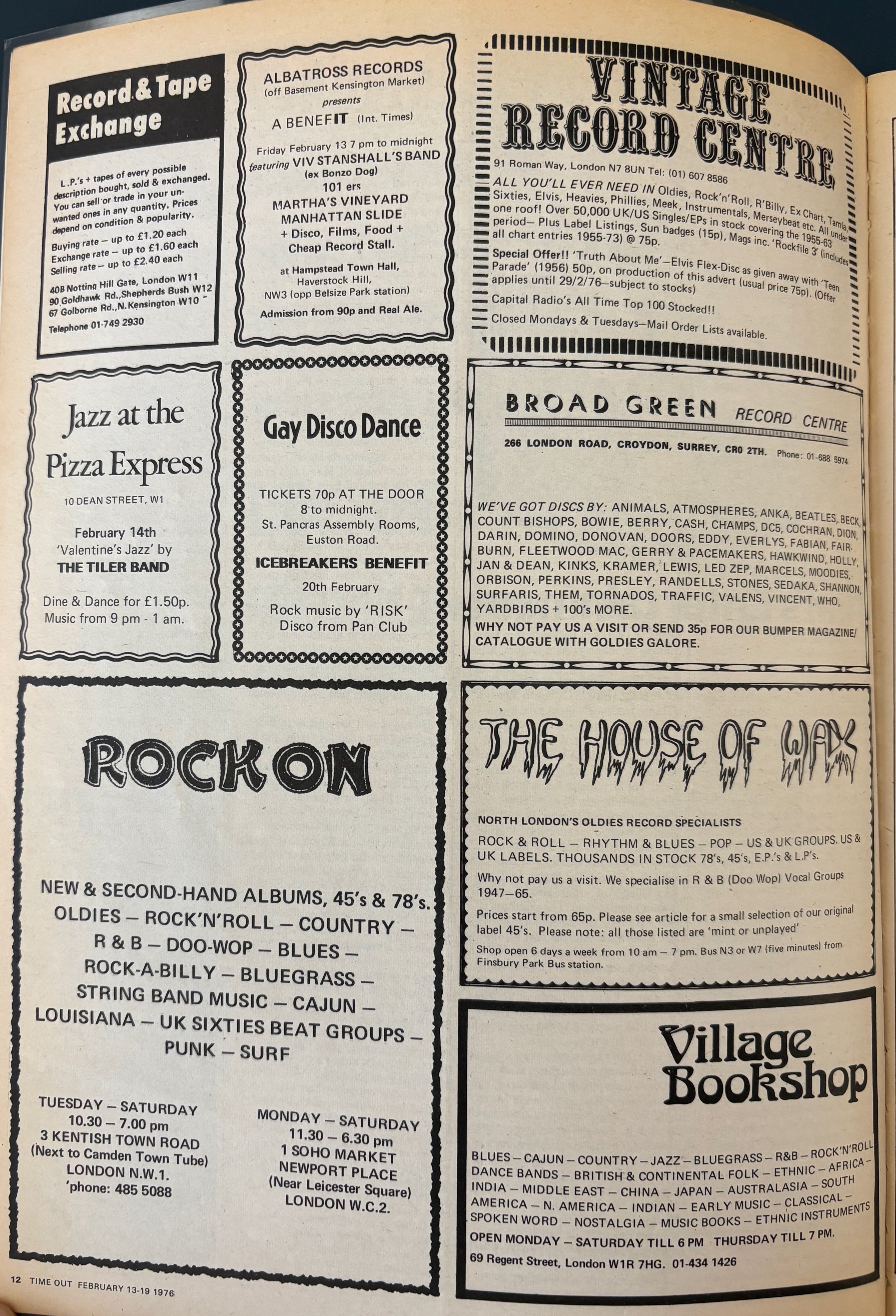
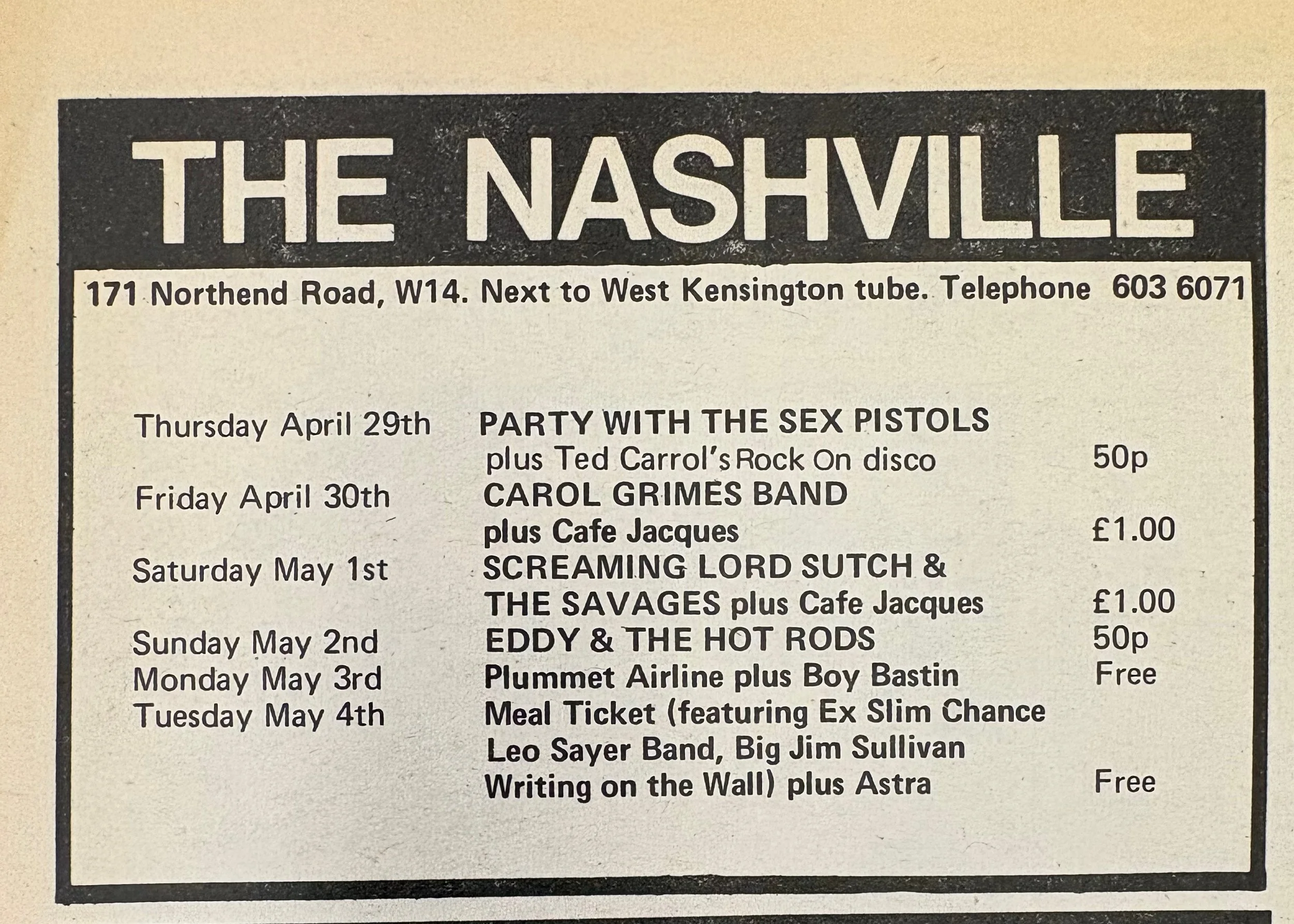
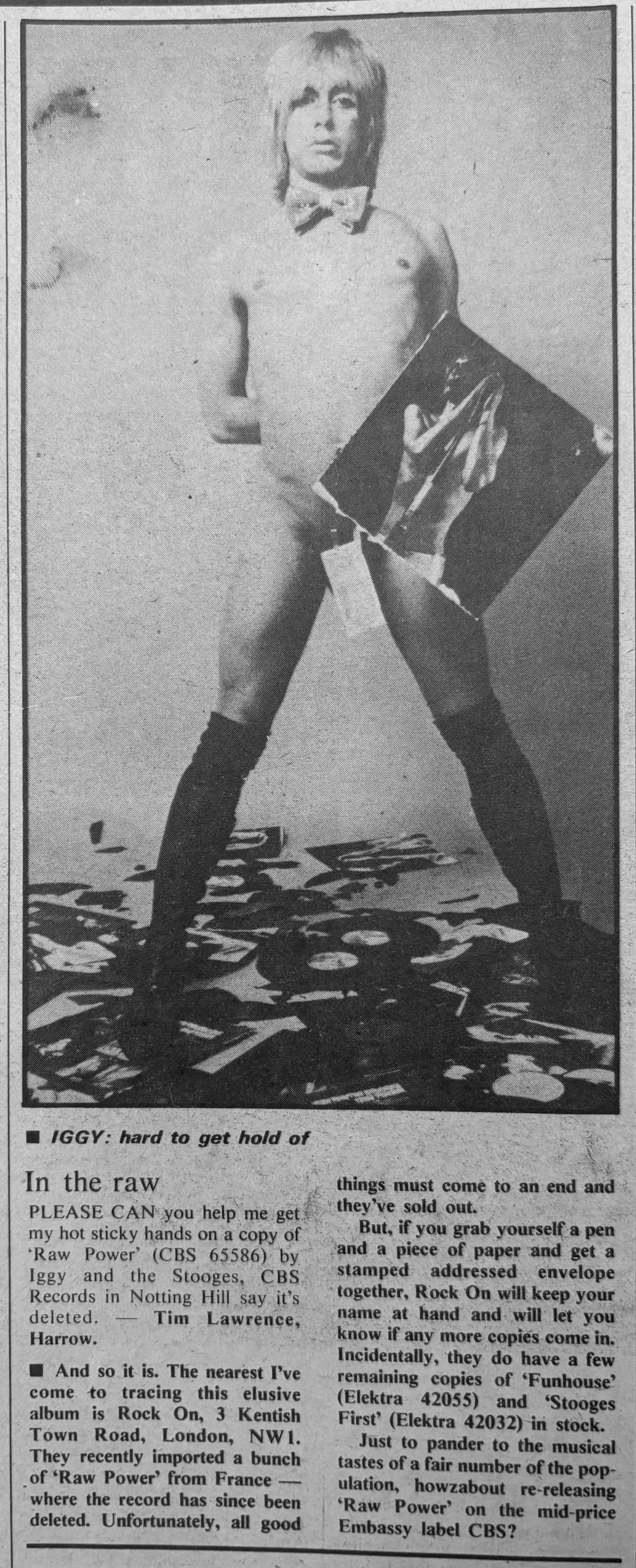
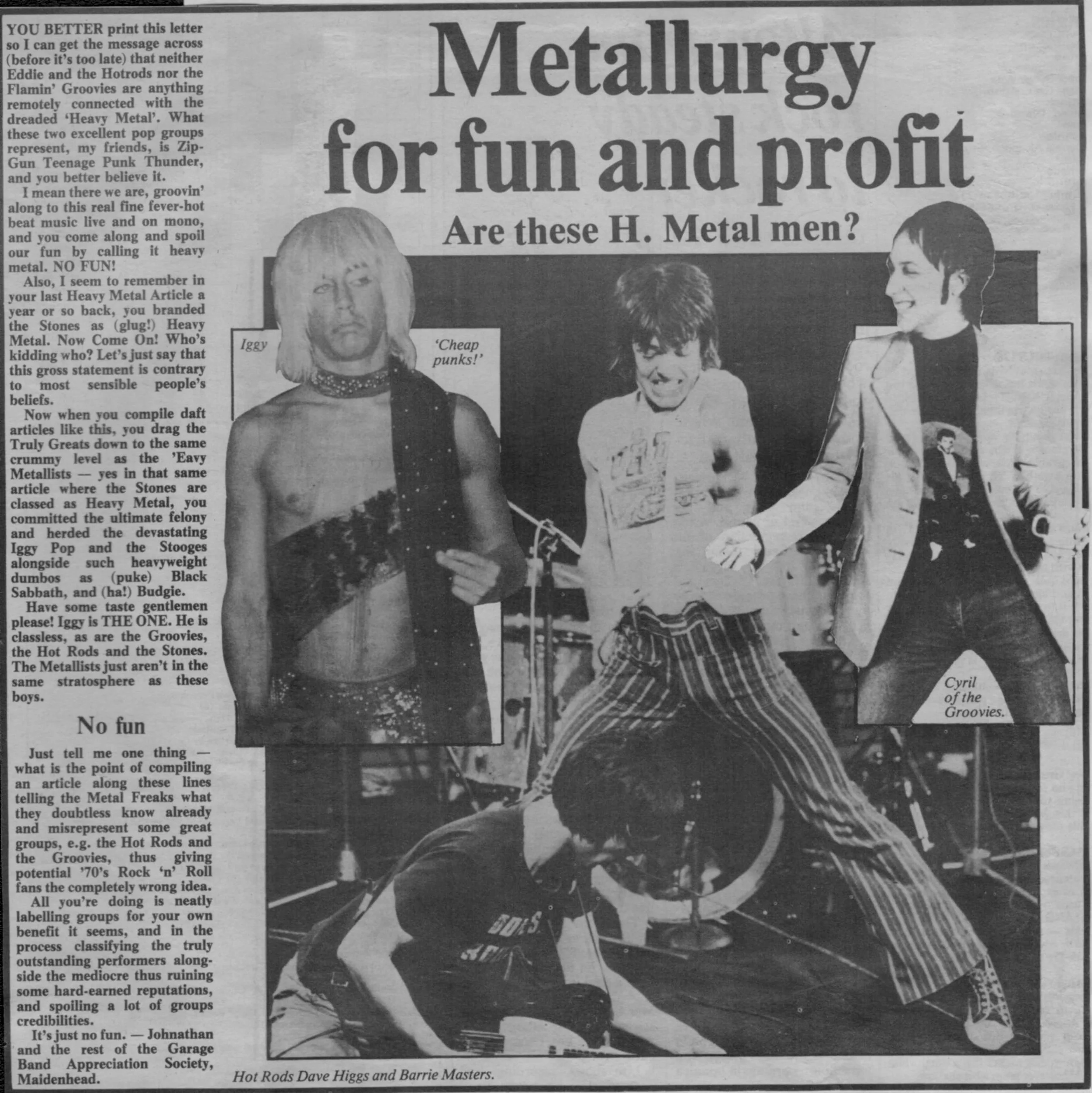
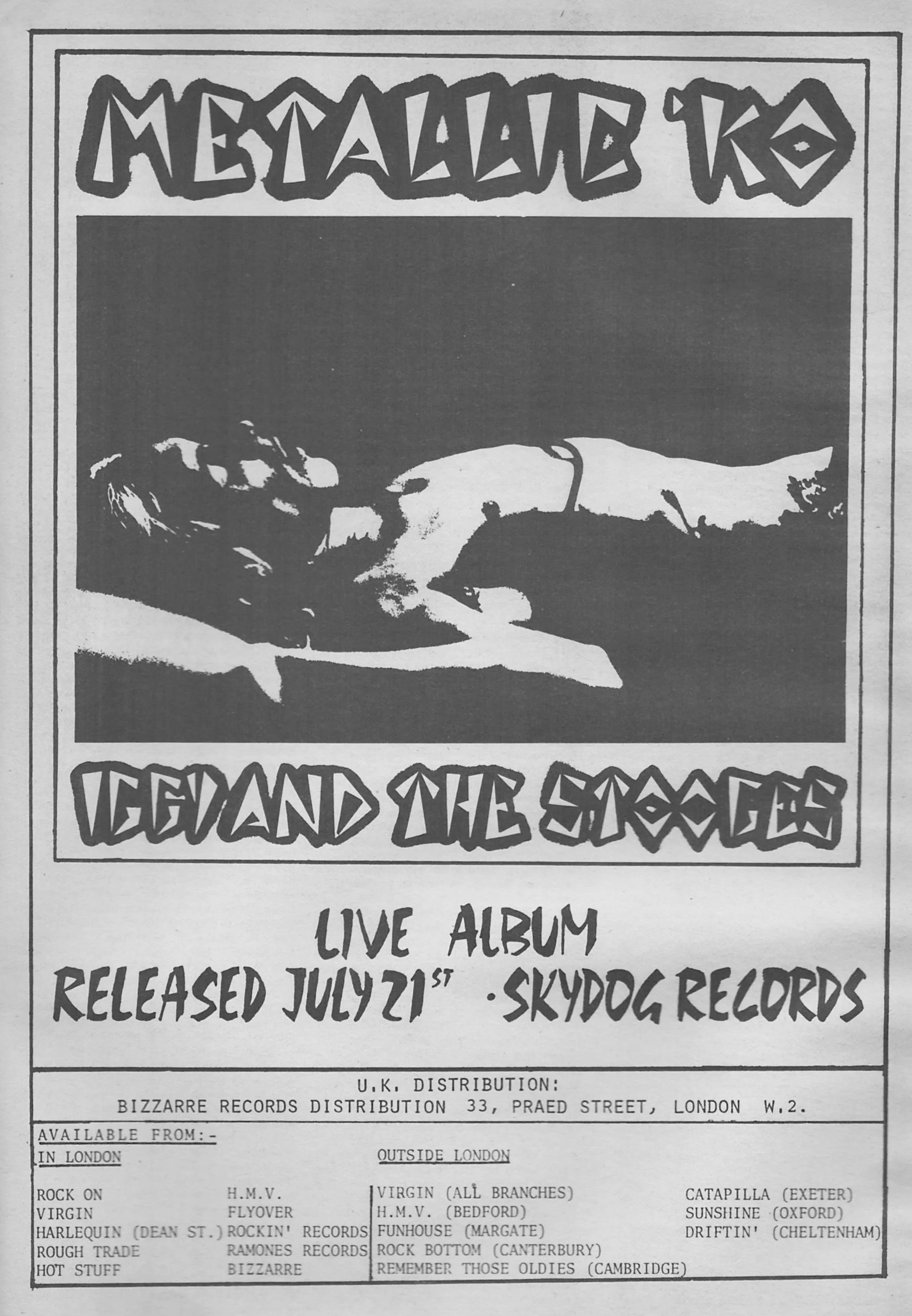
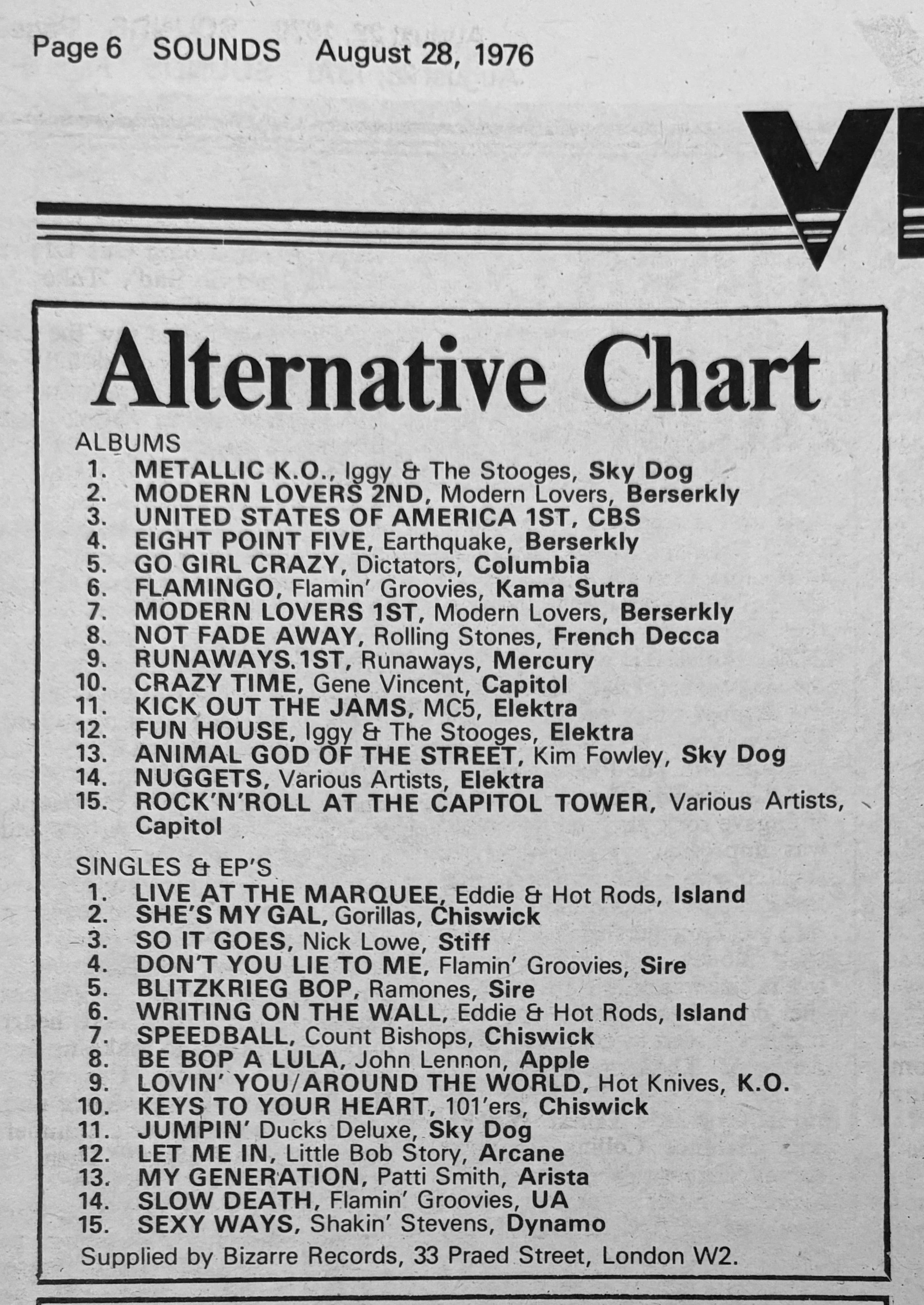
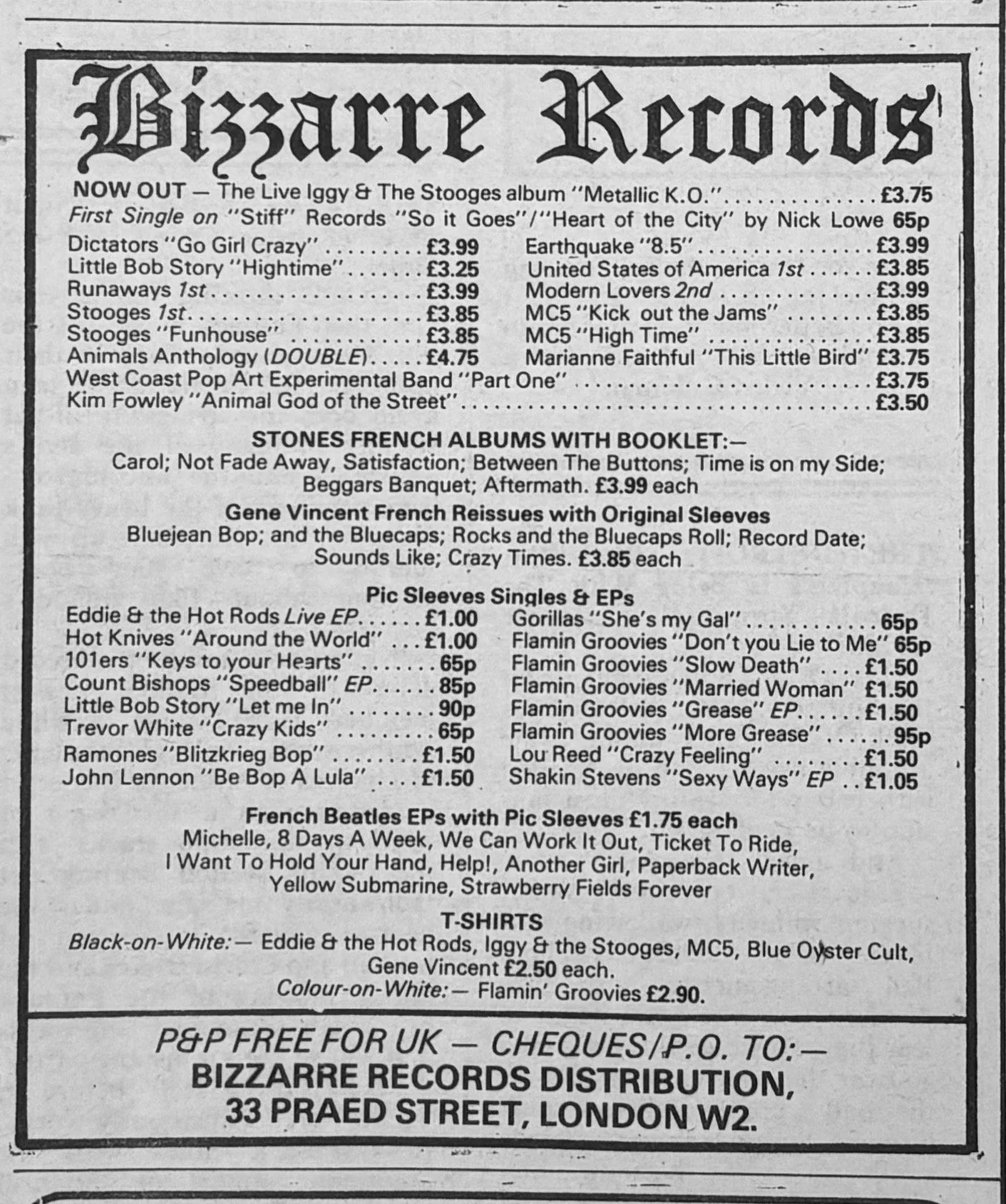
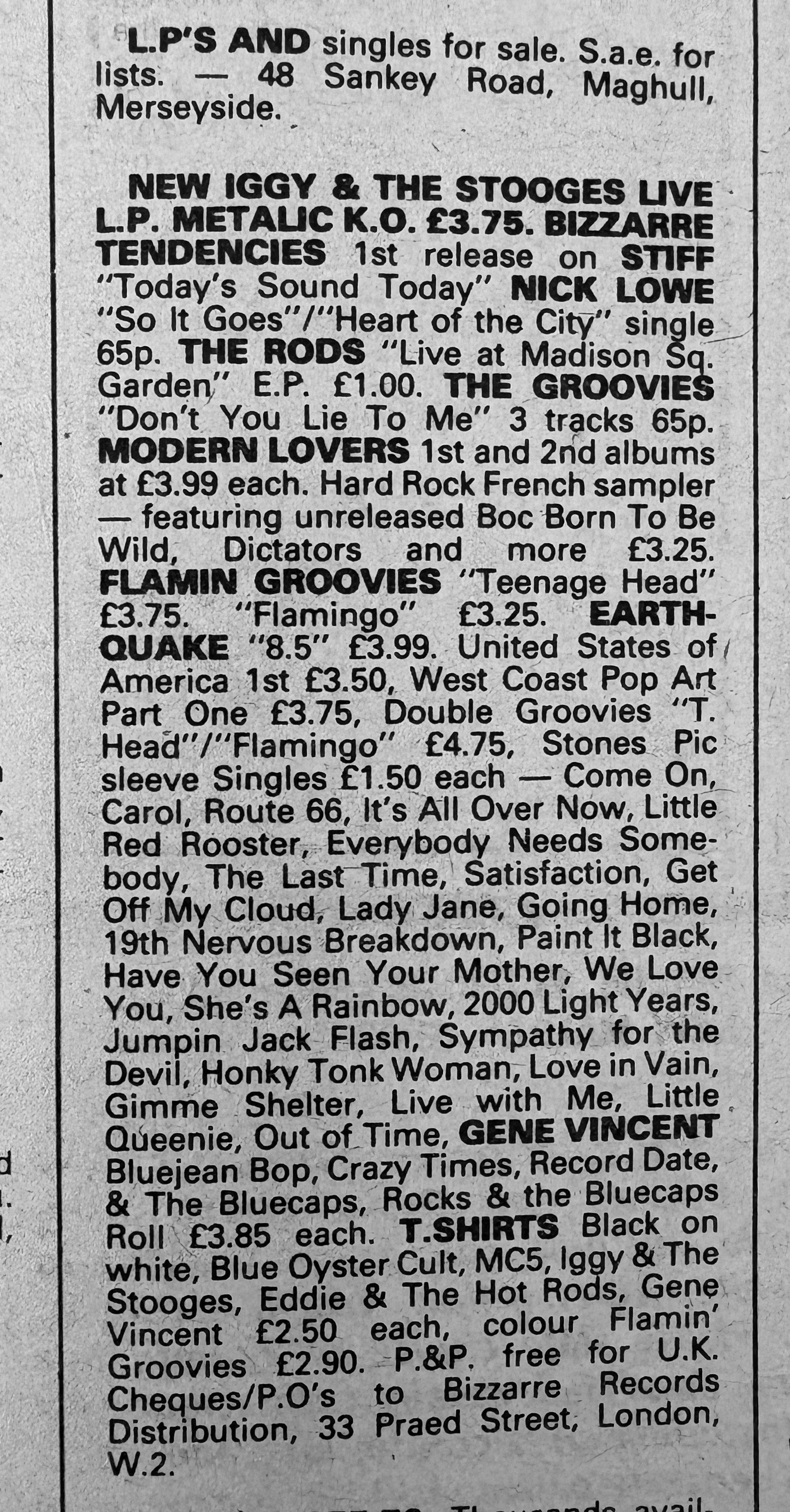
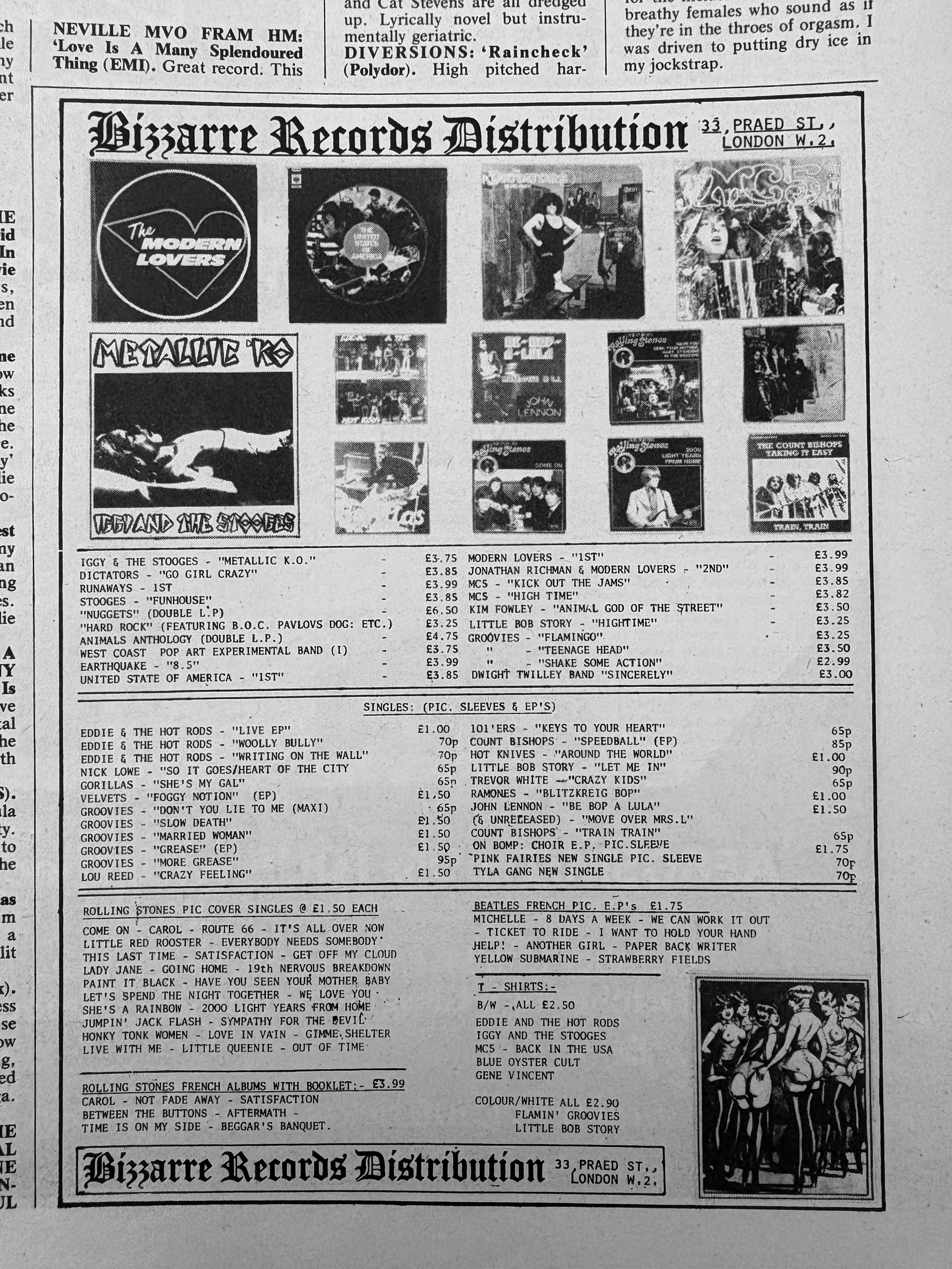
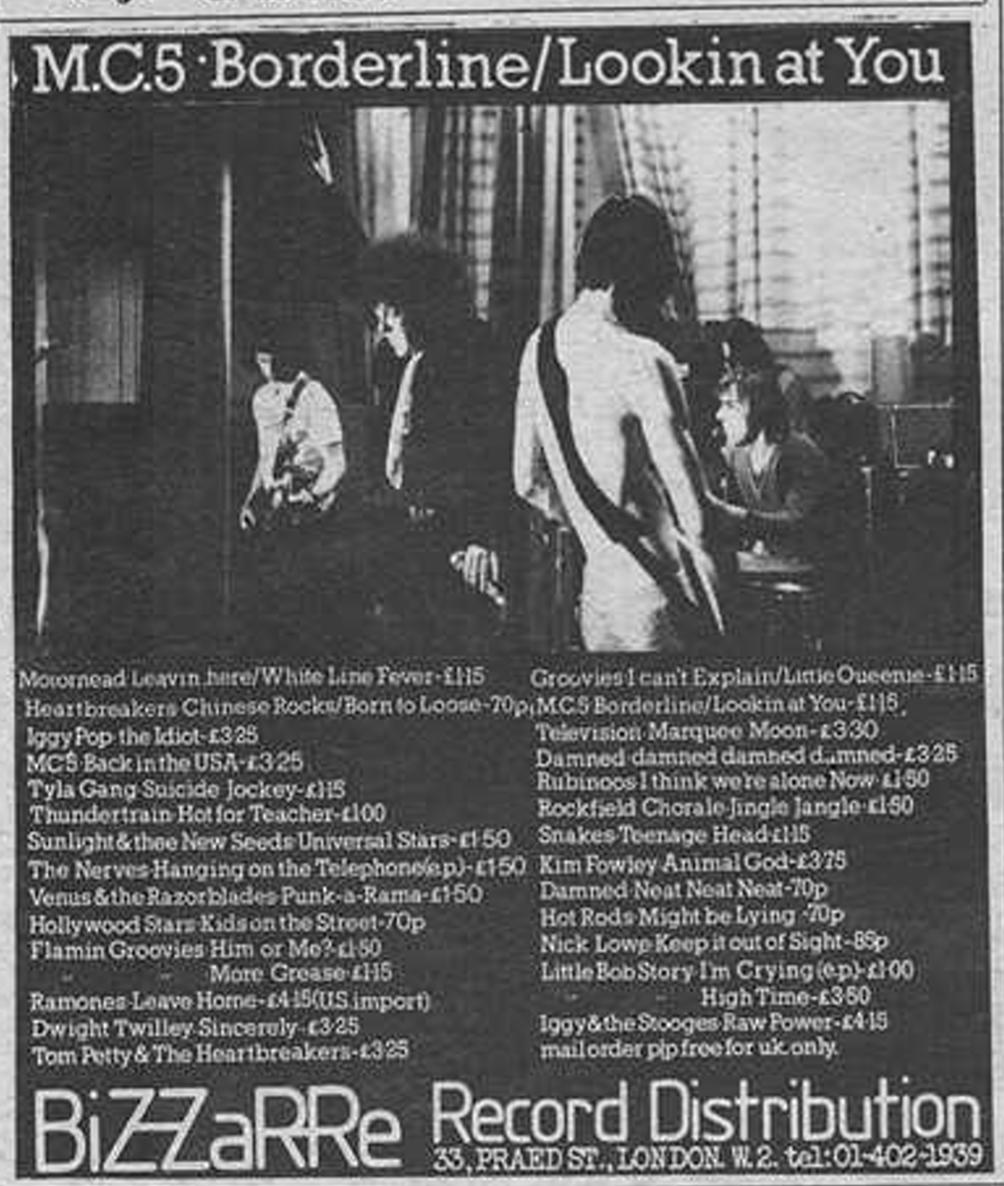
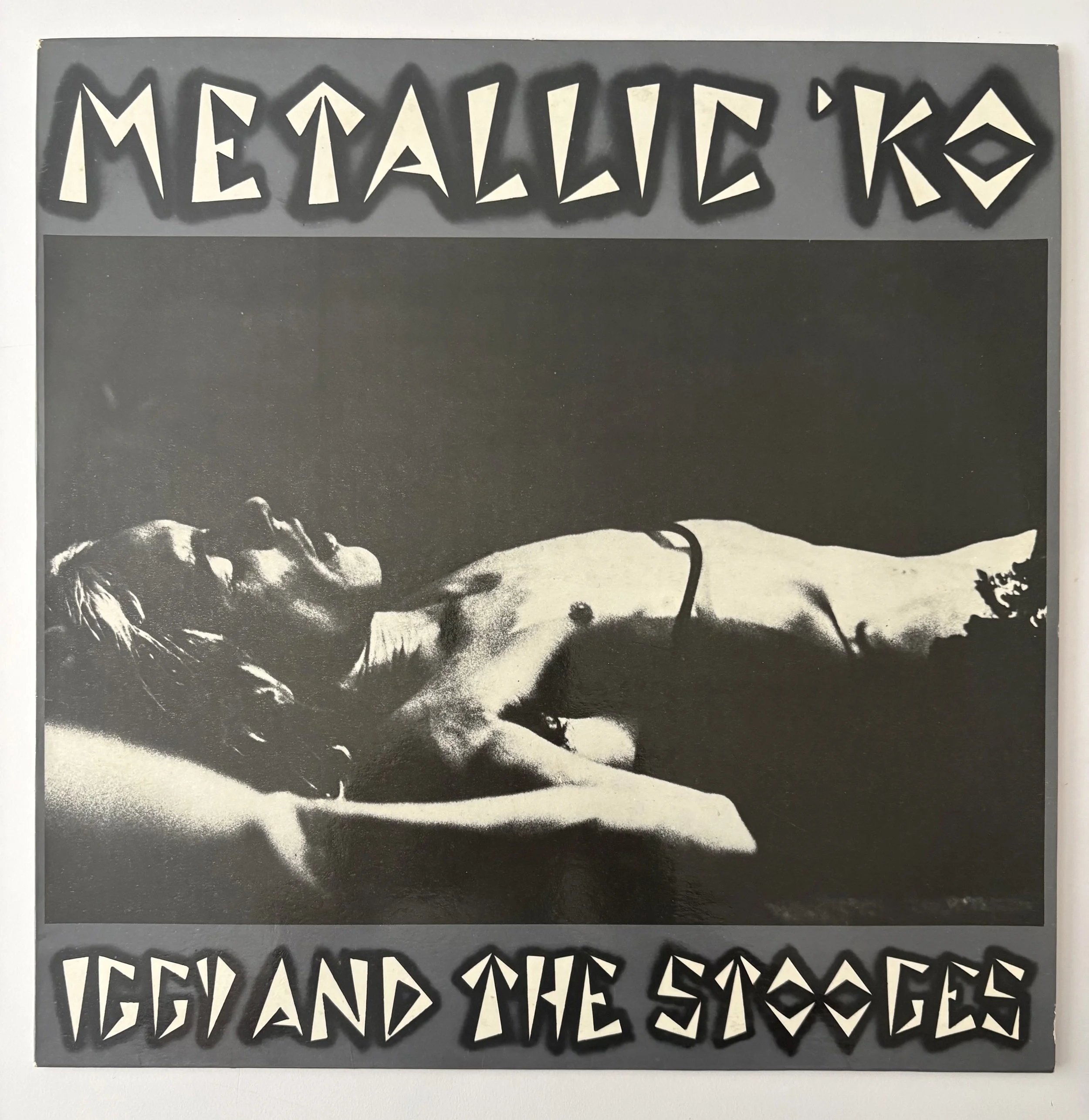
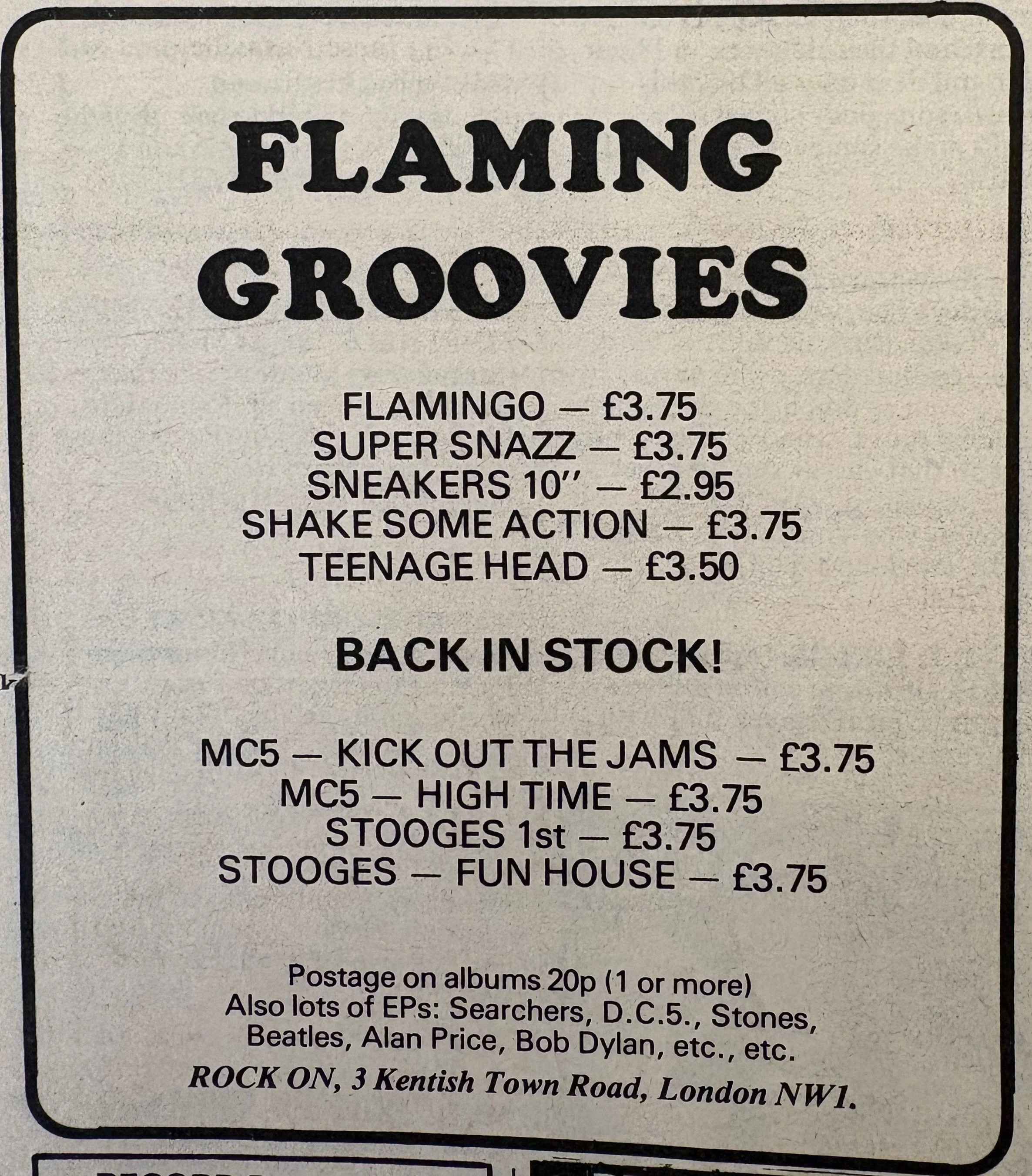
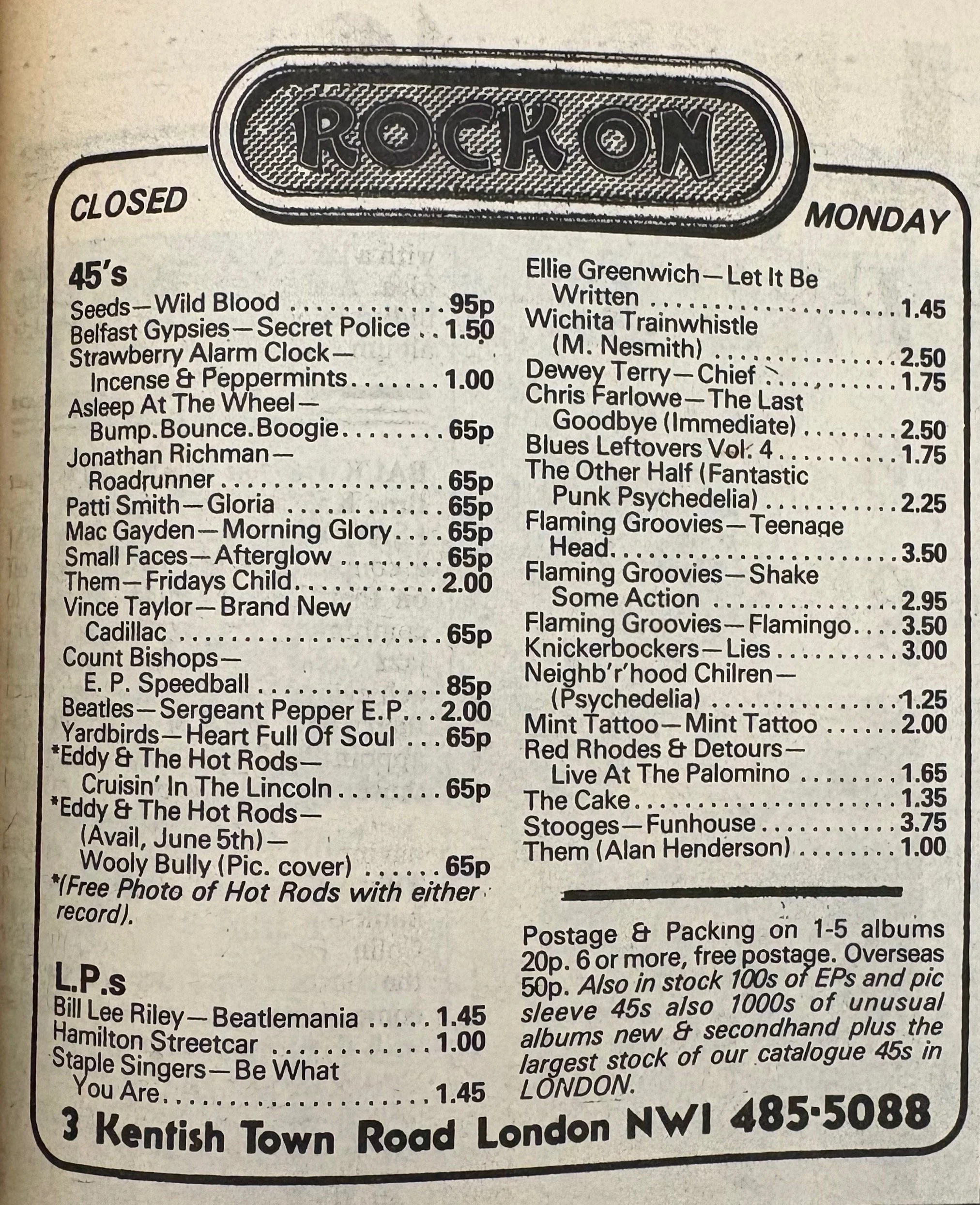
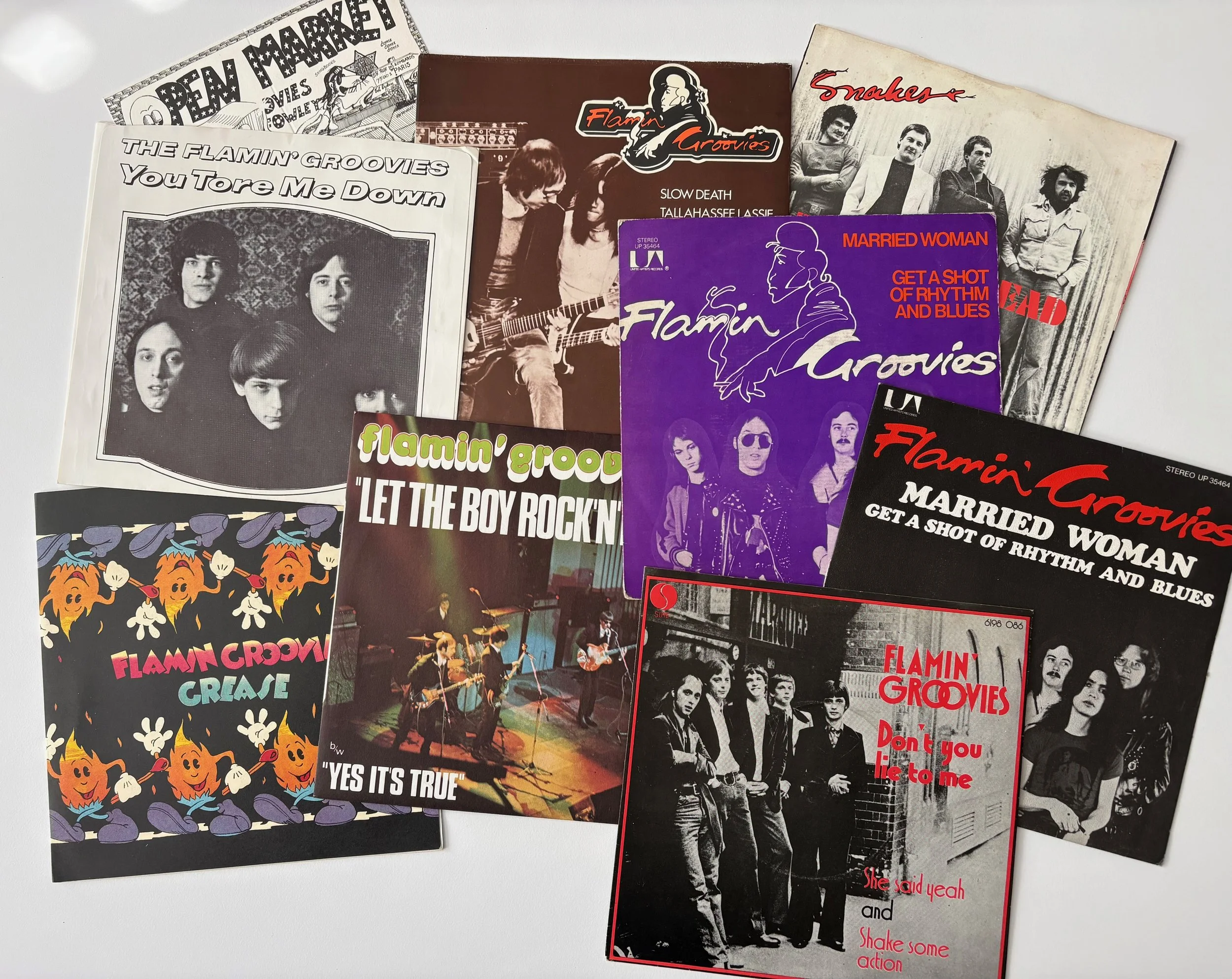
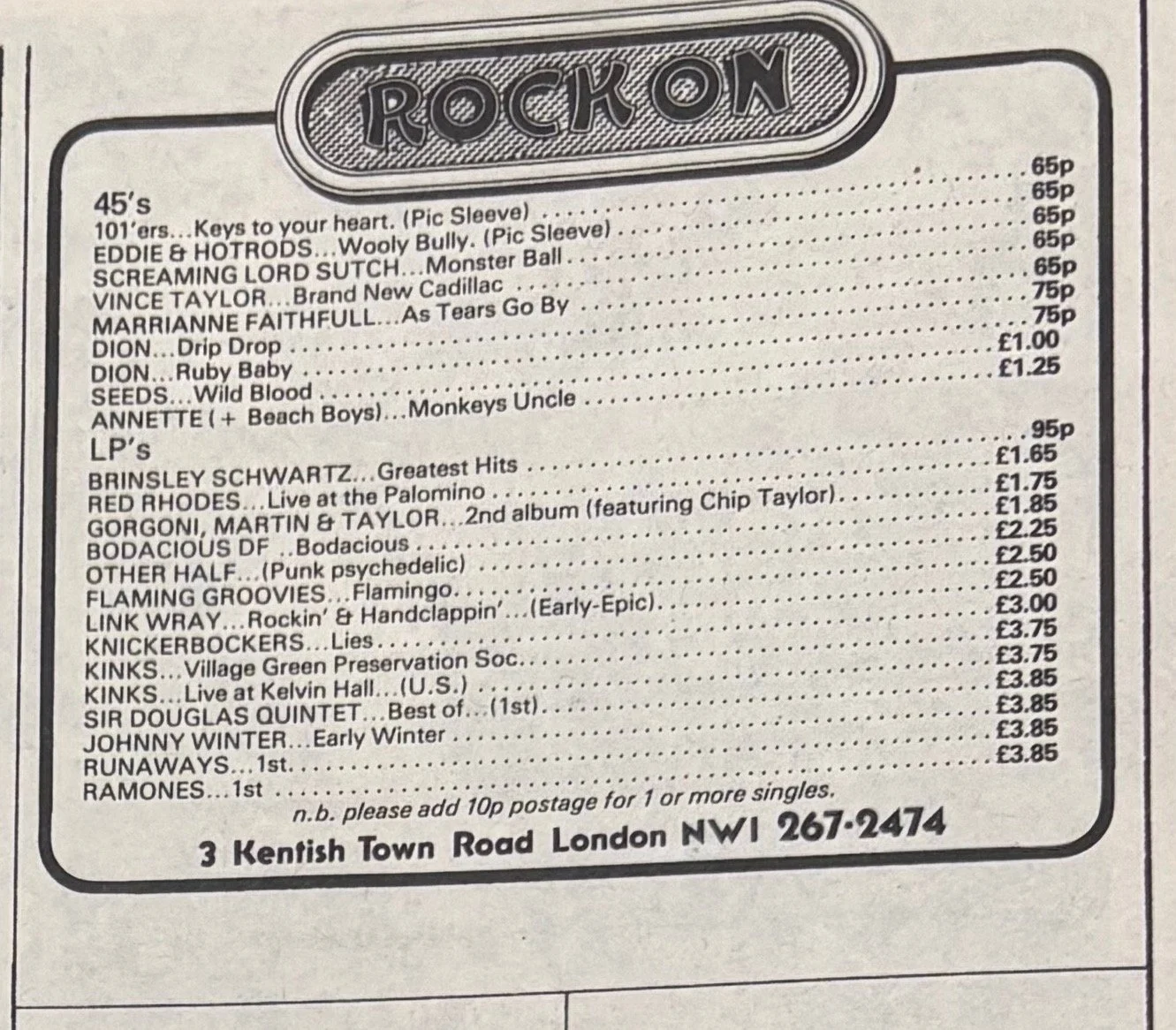
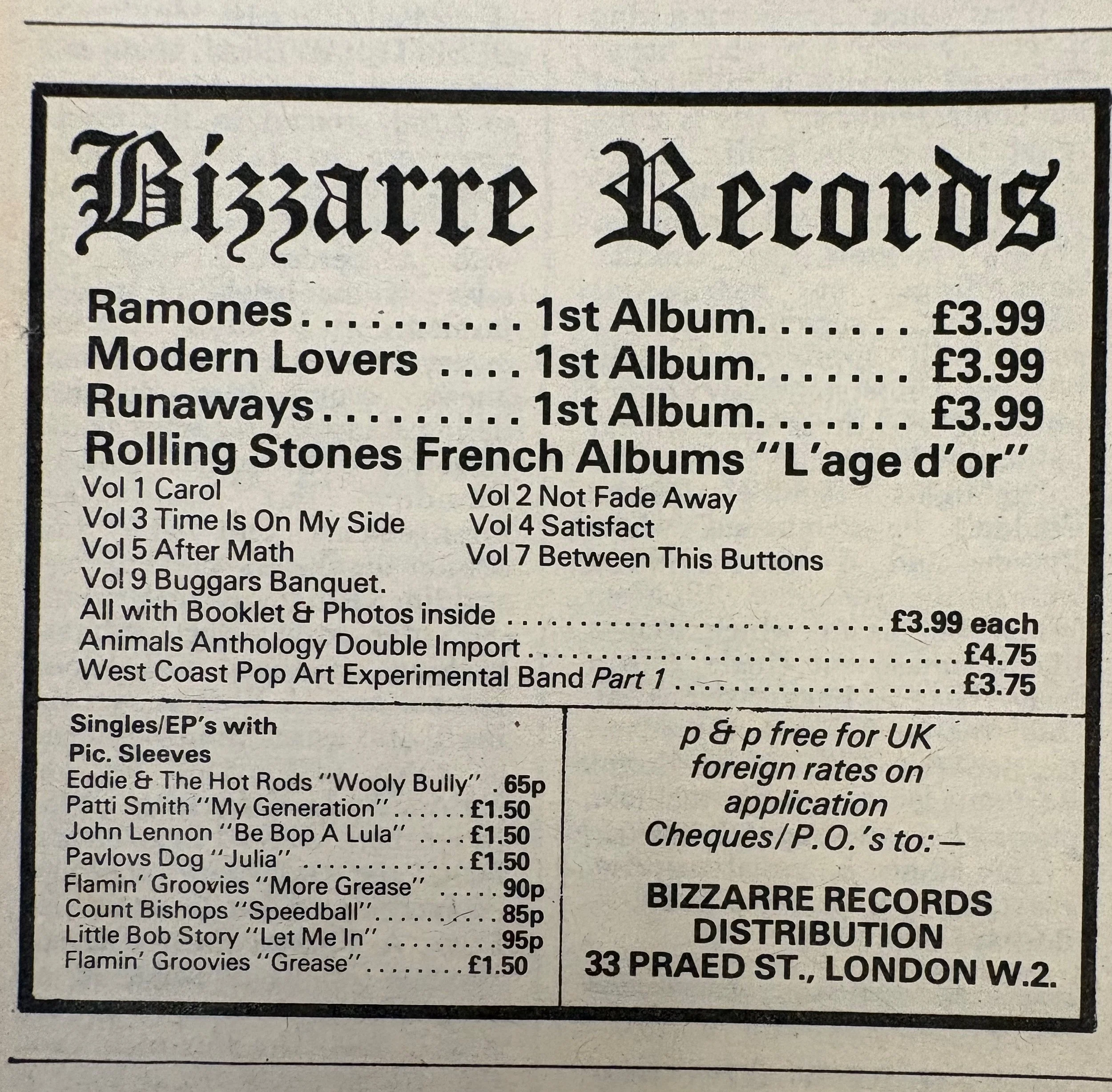
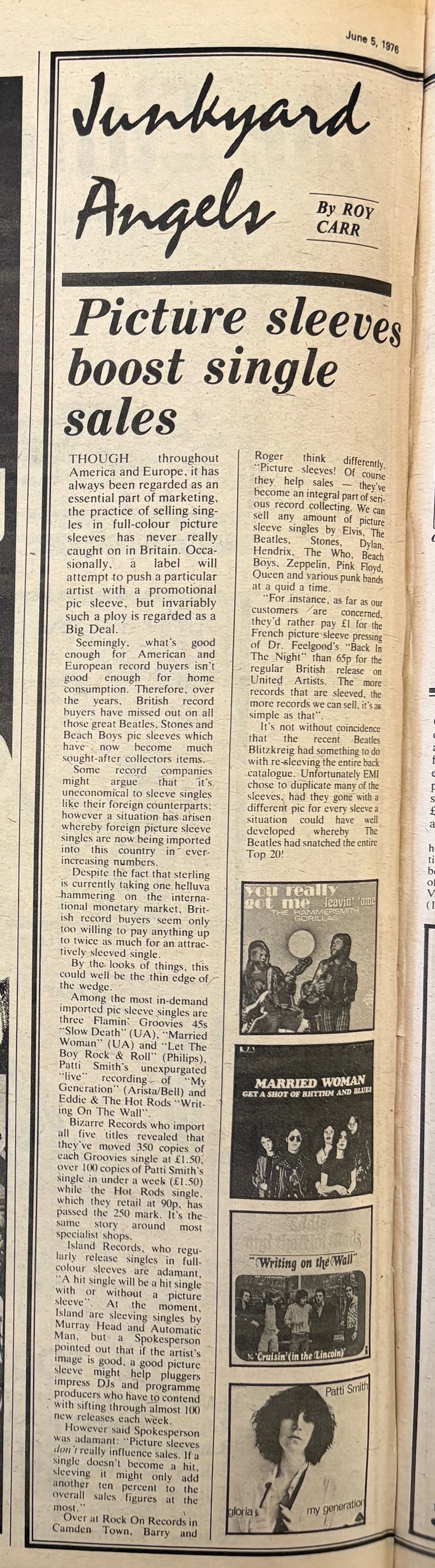
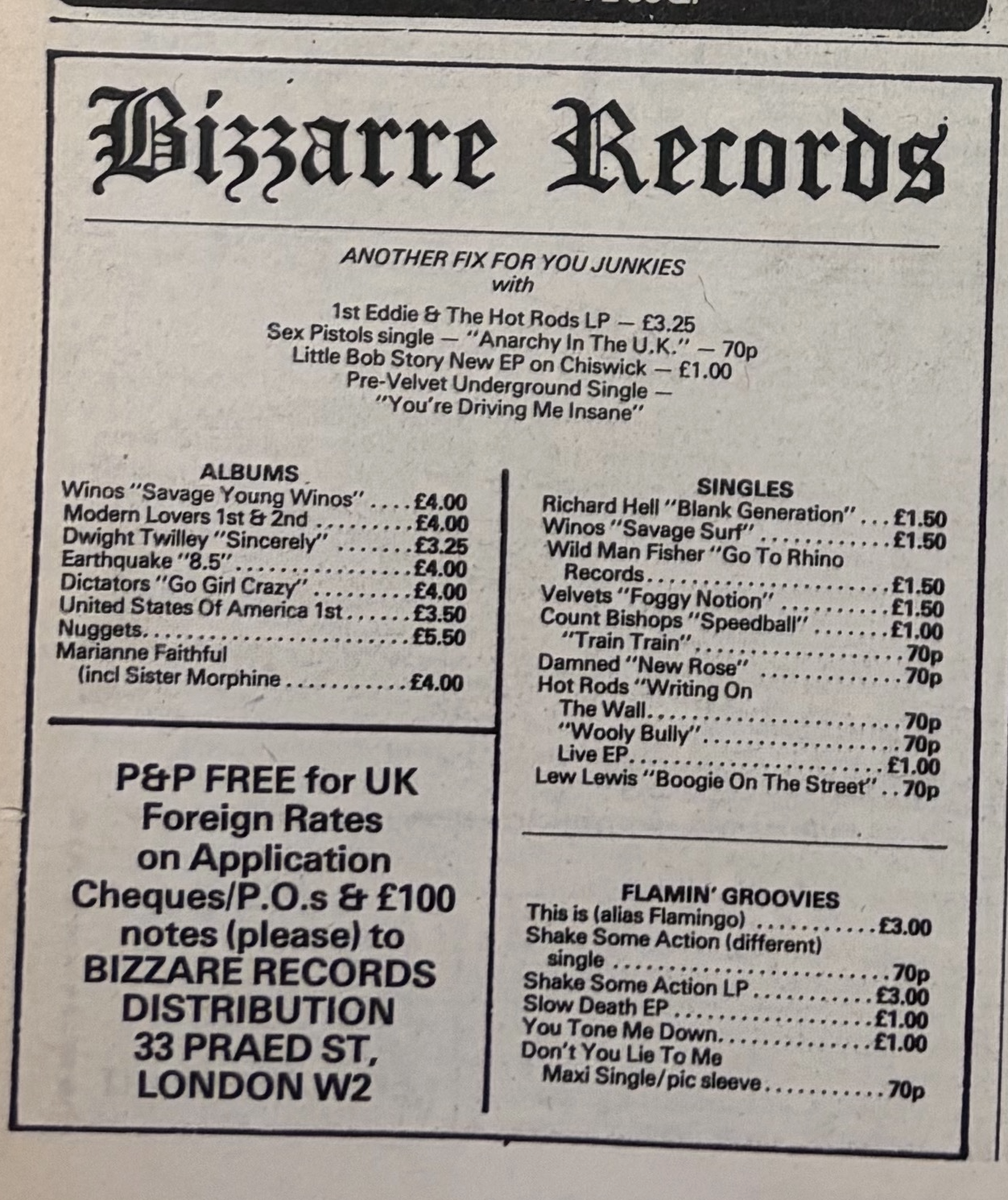
In the Spring of 1976 Rock On and Bizzarre record shops started advertising in the Record Mart section of Sounds. Back in the day, what caught my attention was the listing of Flamin’ Groovies discs. I’d not heard of them but here they were getting lumped in with the Stooges, the MC5 and, most importantly to me at the time, Eddie and the Hot Rods, so it didn’t take much prodding to jump on board

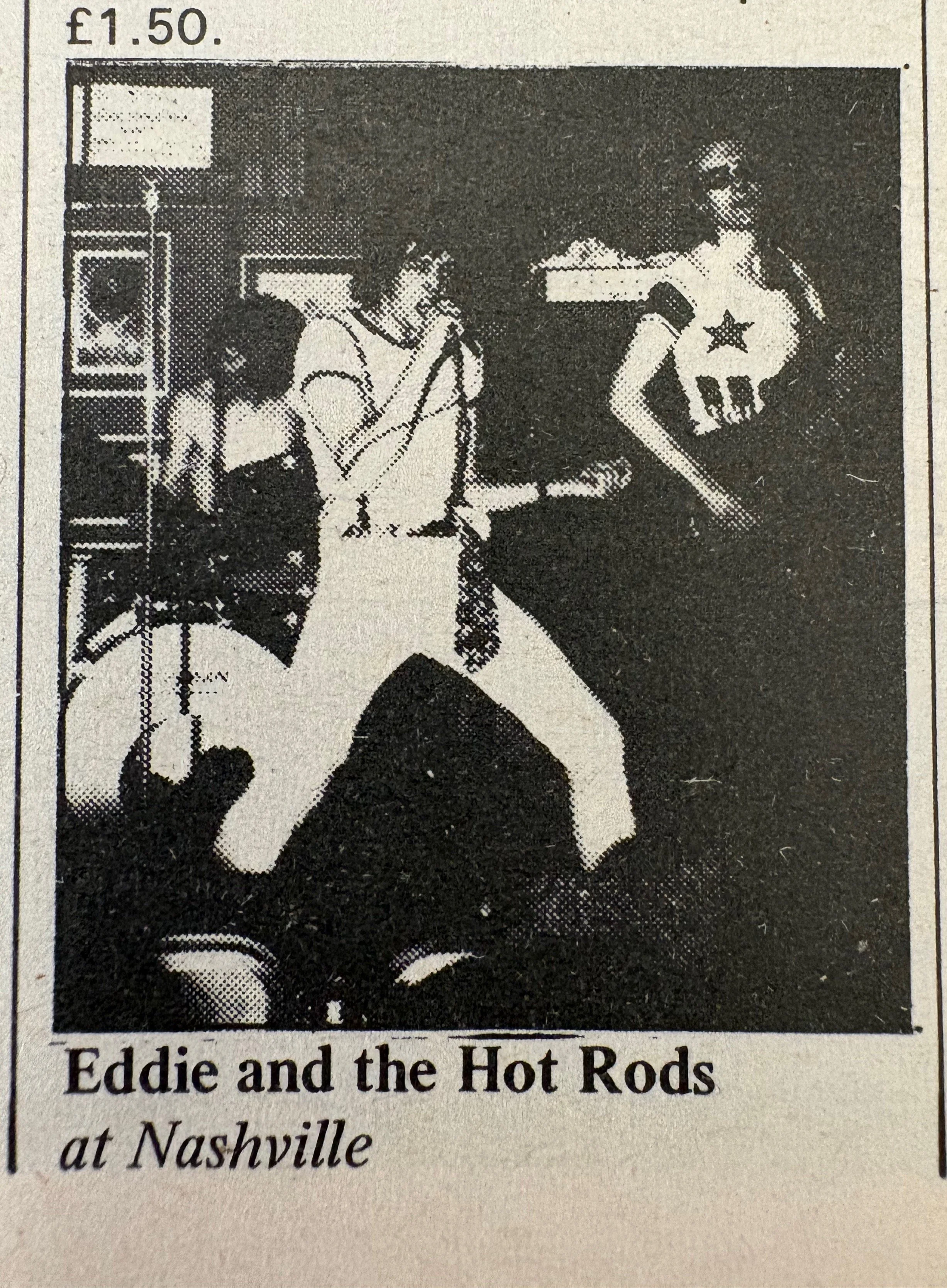
As May turned into June, armed with their debut single and some effusive write ups in the music press, Eddie and the Hot Rods were fast becoming an obsession. I’d already made one trip into to London to see them, but failed to find the venue. I finally got lucky on June 12 when they played a University College, London, ‘Superball’, which advertised the band alongside a Punch and Judy show and Morris dancers. I can’t recall seeing either of those attractions but watching the Hot Rods was like looking into a mirror: same age, same dress-style, same class, same aspirations – all of us out for a real good time. For this 18 year-old, the Hot Rods were the ultimate pent-up energy release valve. For real, 1976 began here – blast off!

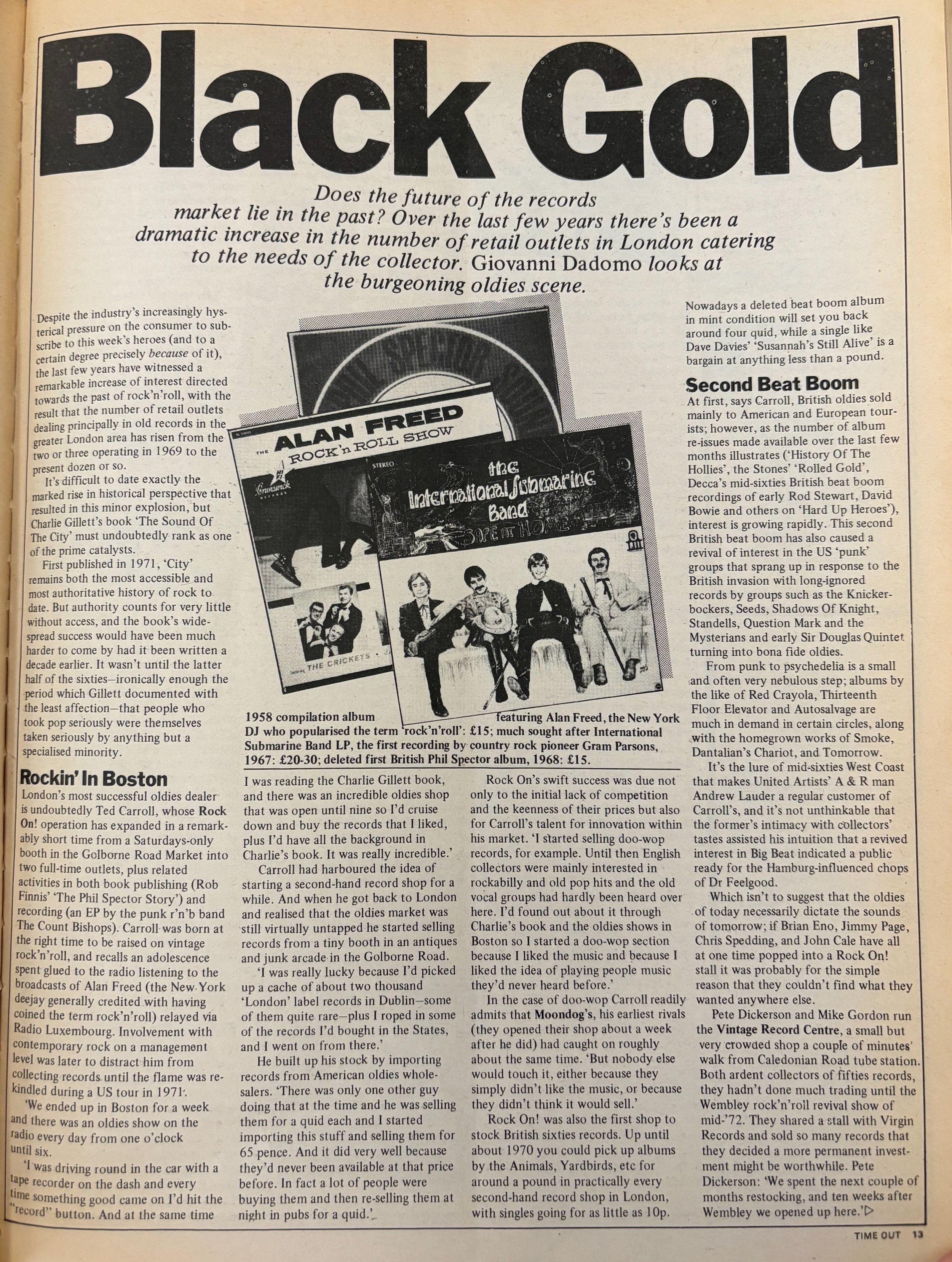
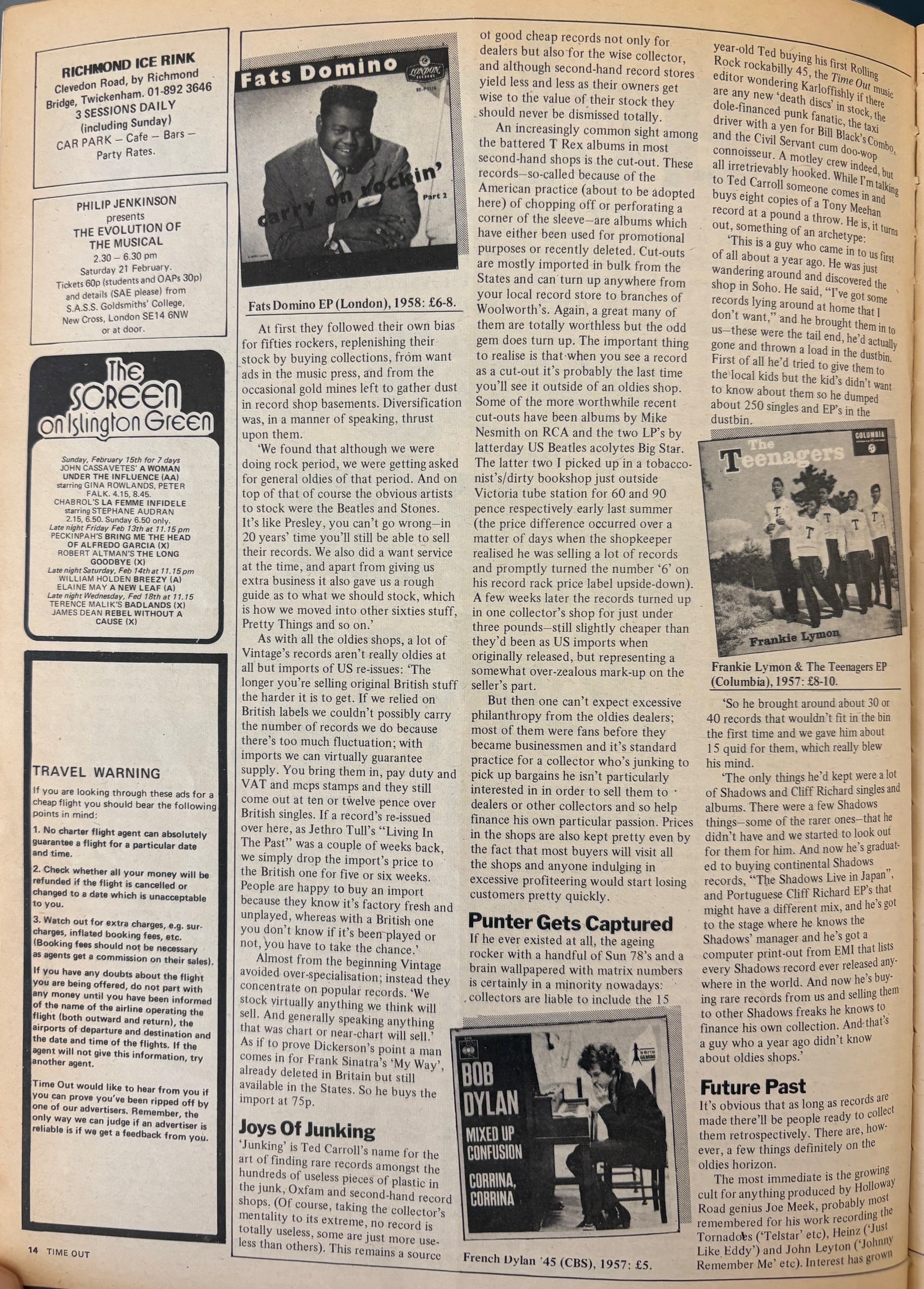
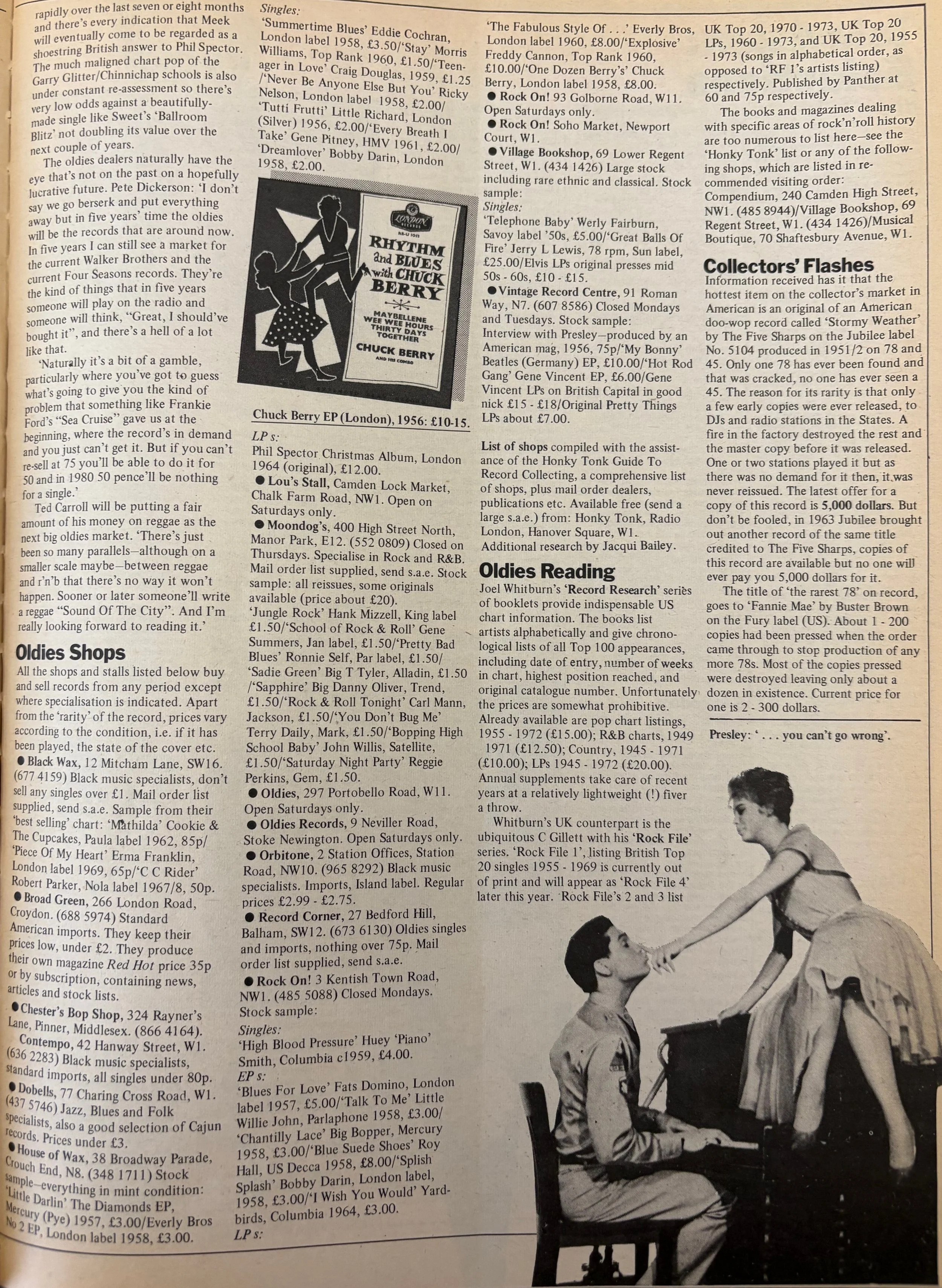
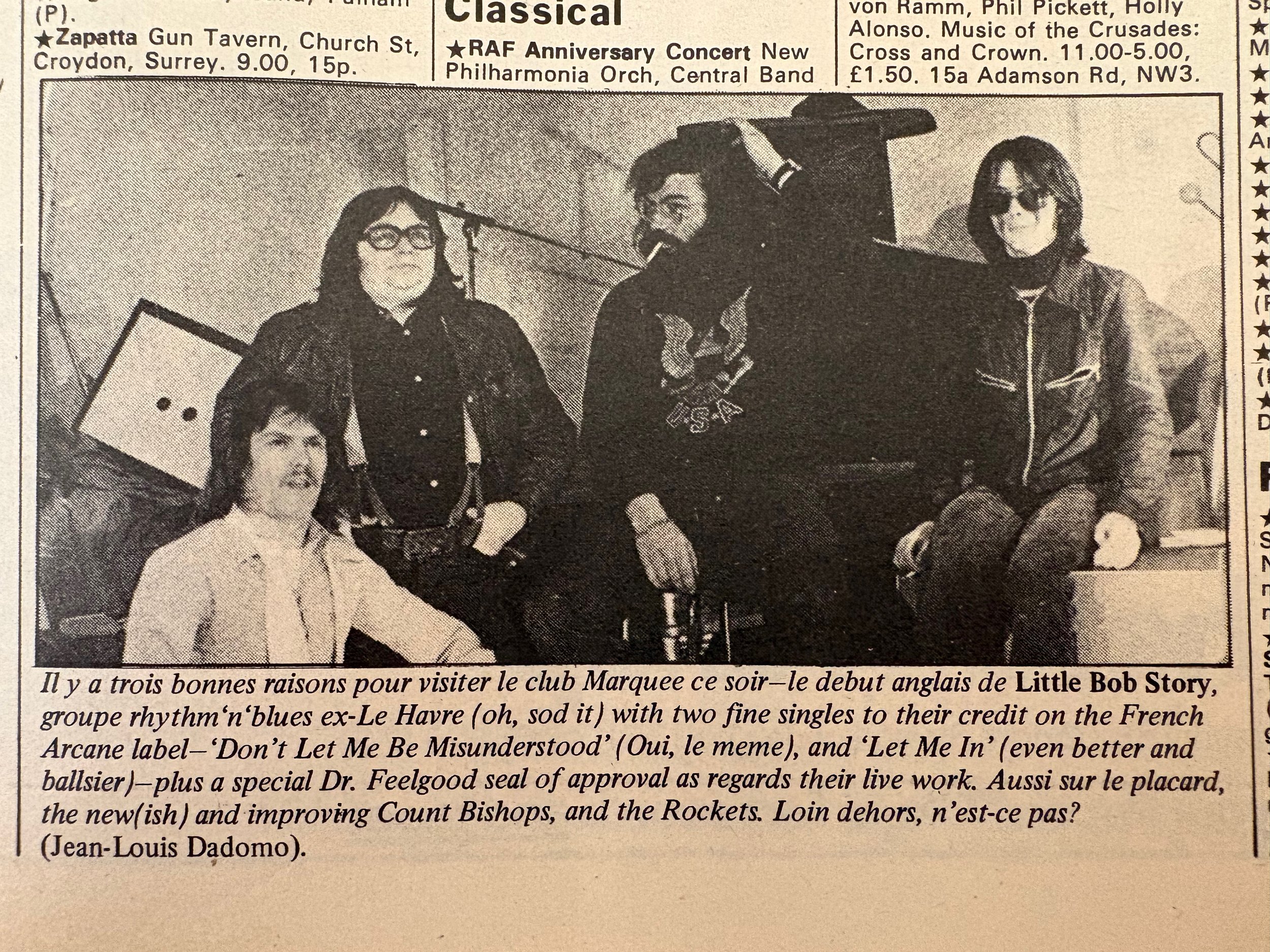
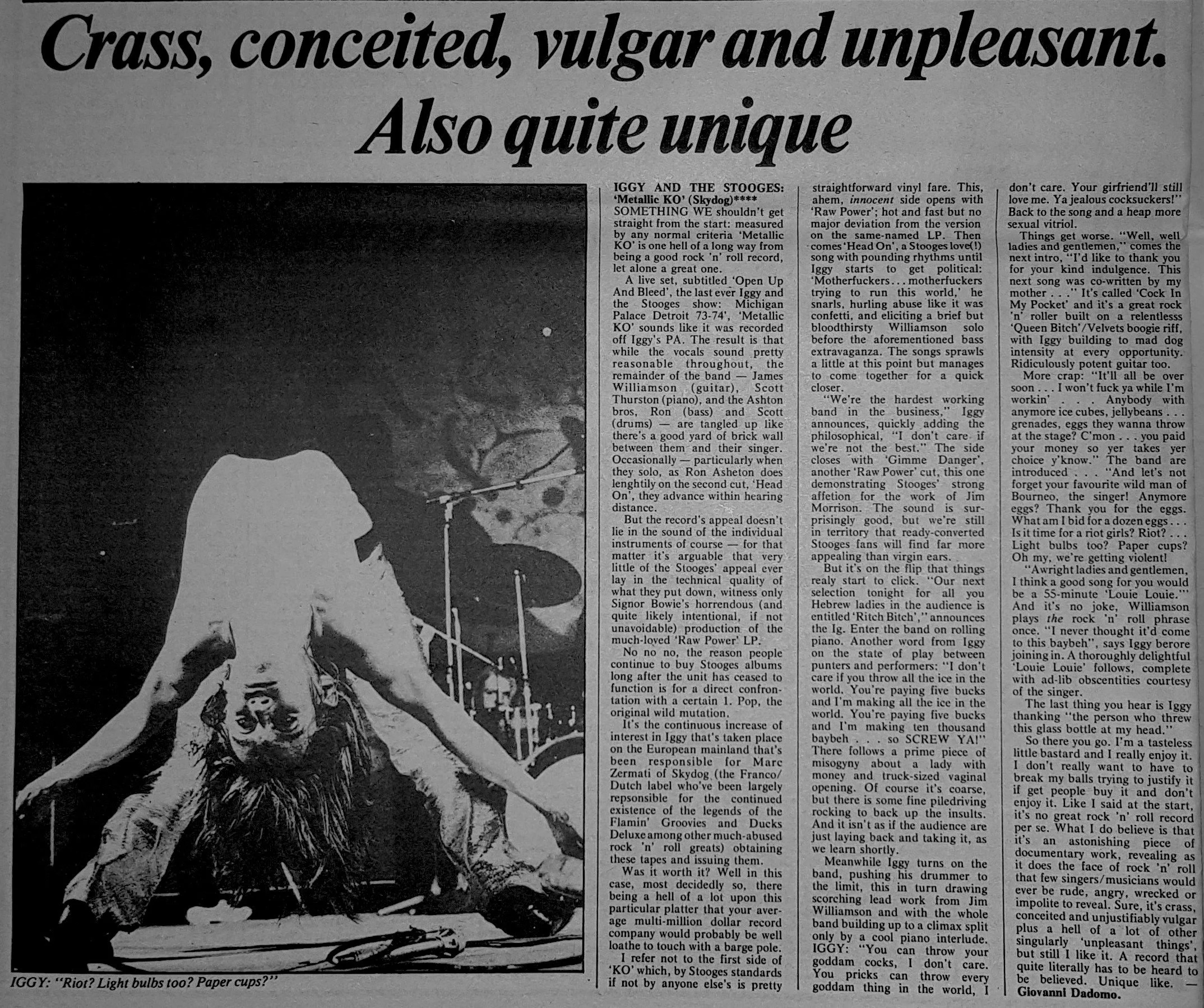
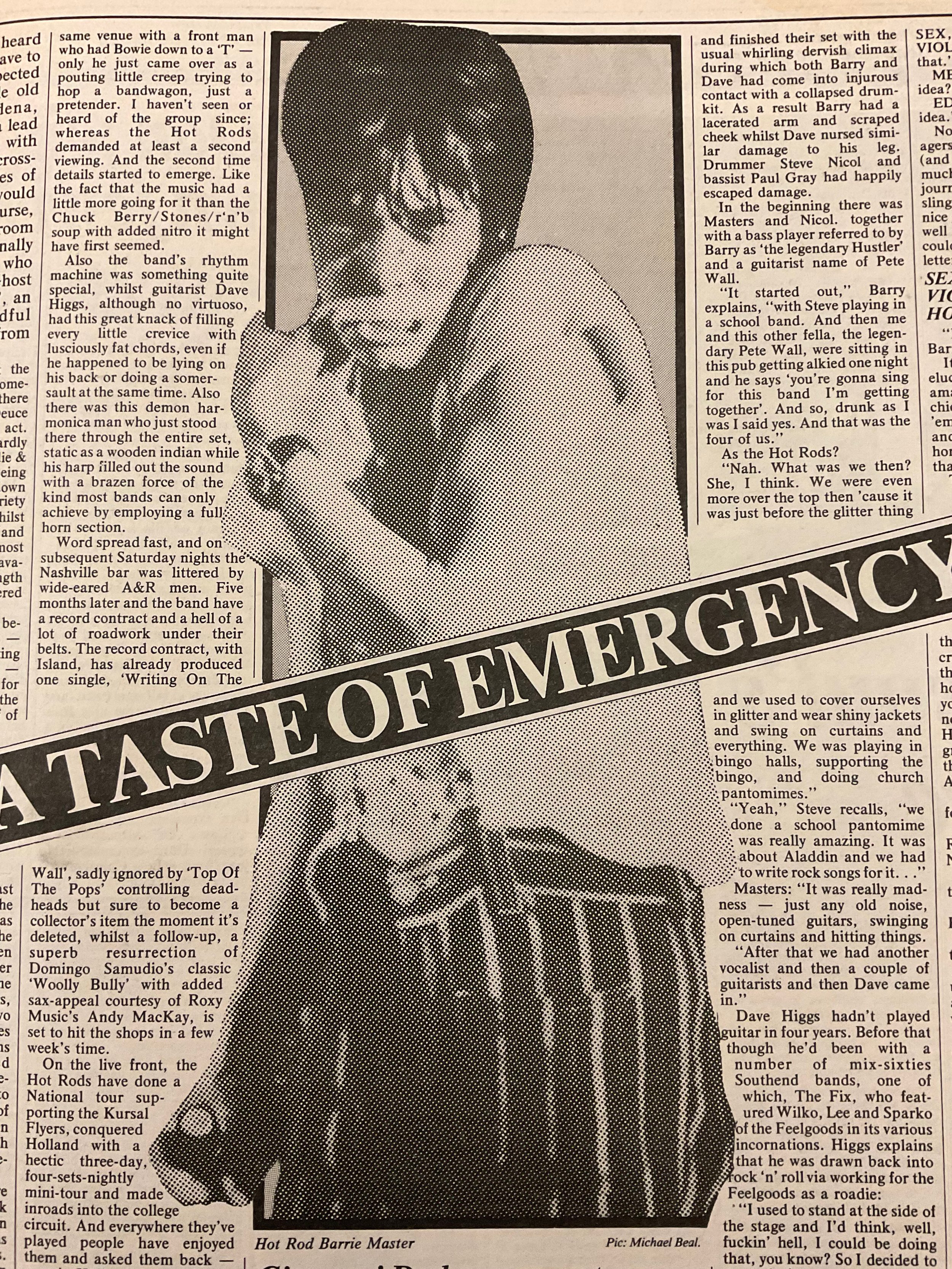
Giovanni Dadomo, Sounds, (May 1 1976). Michael Beal pic

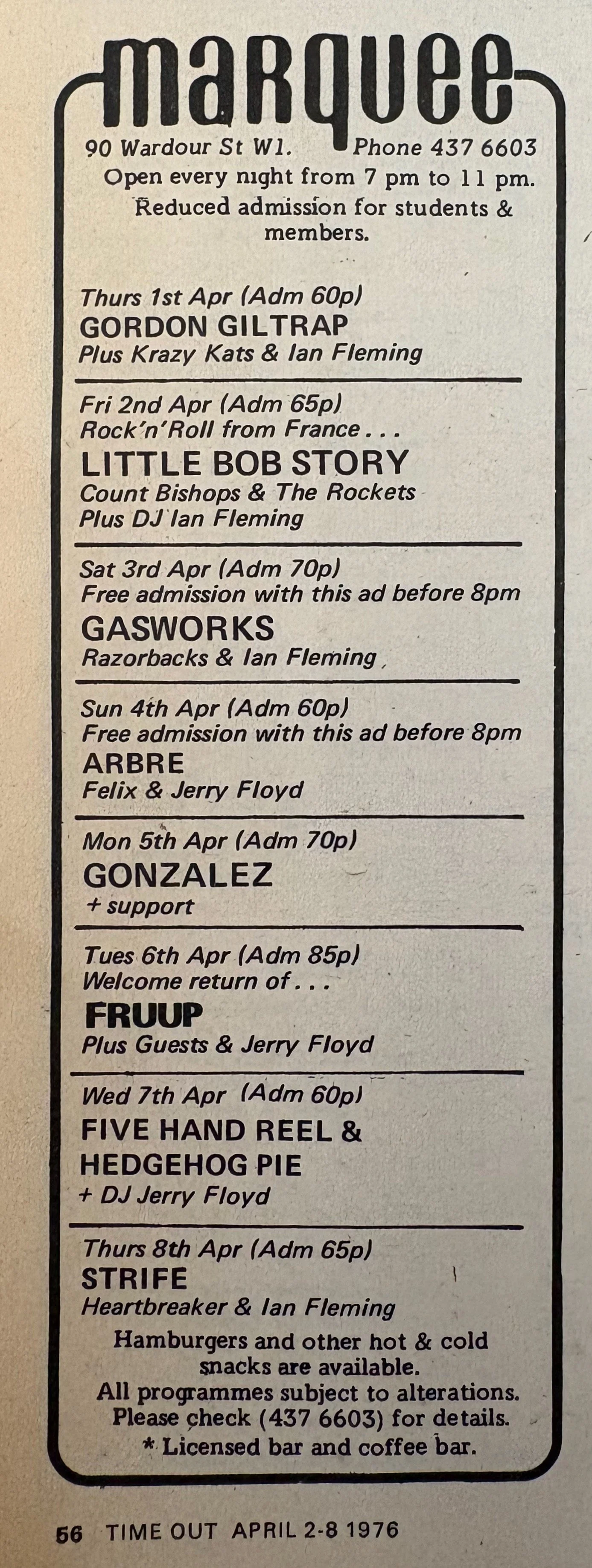
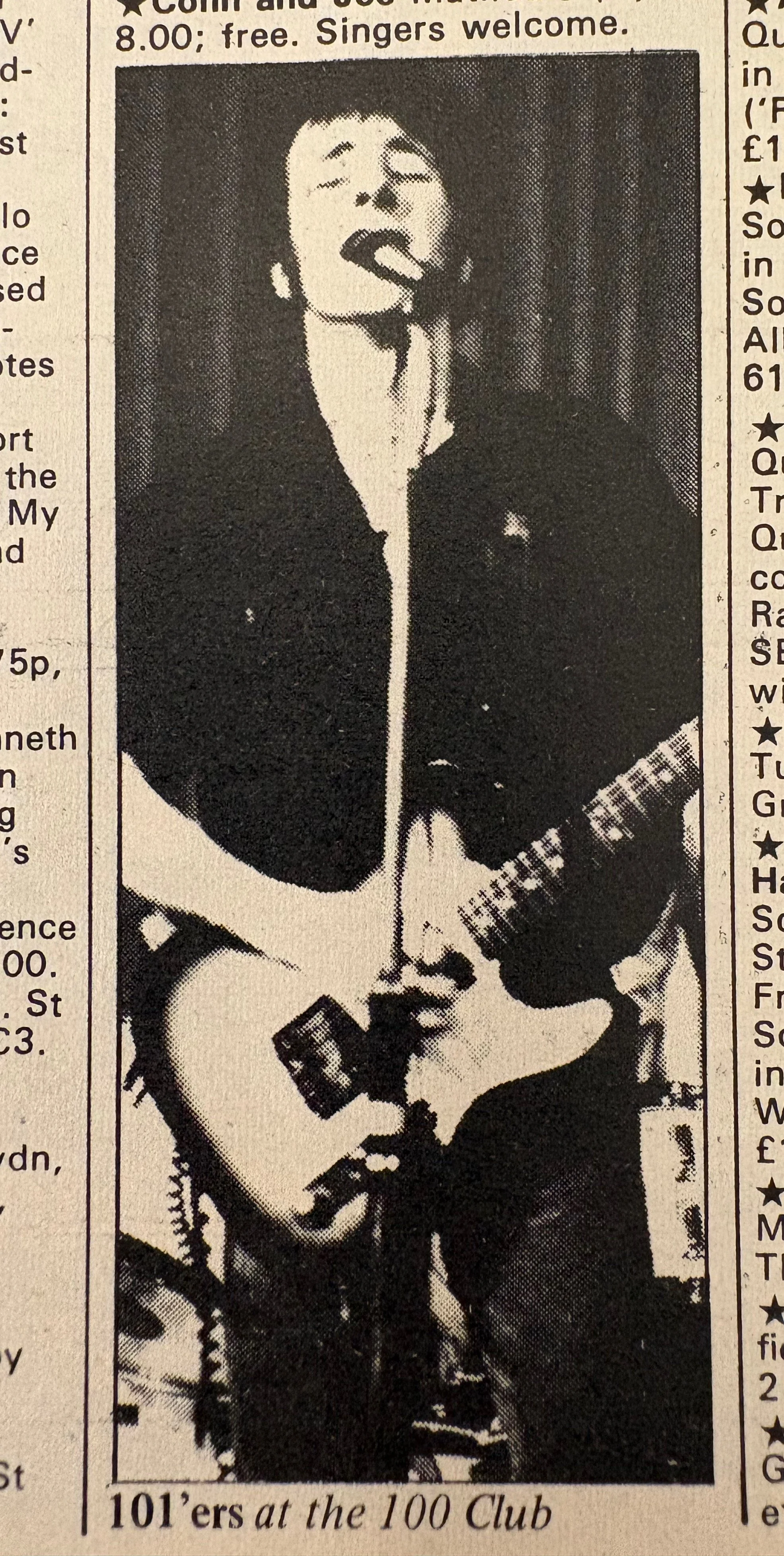
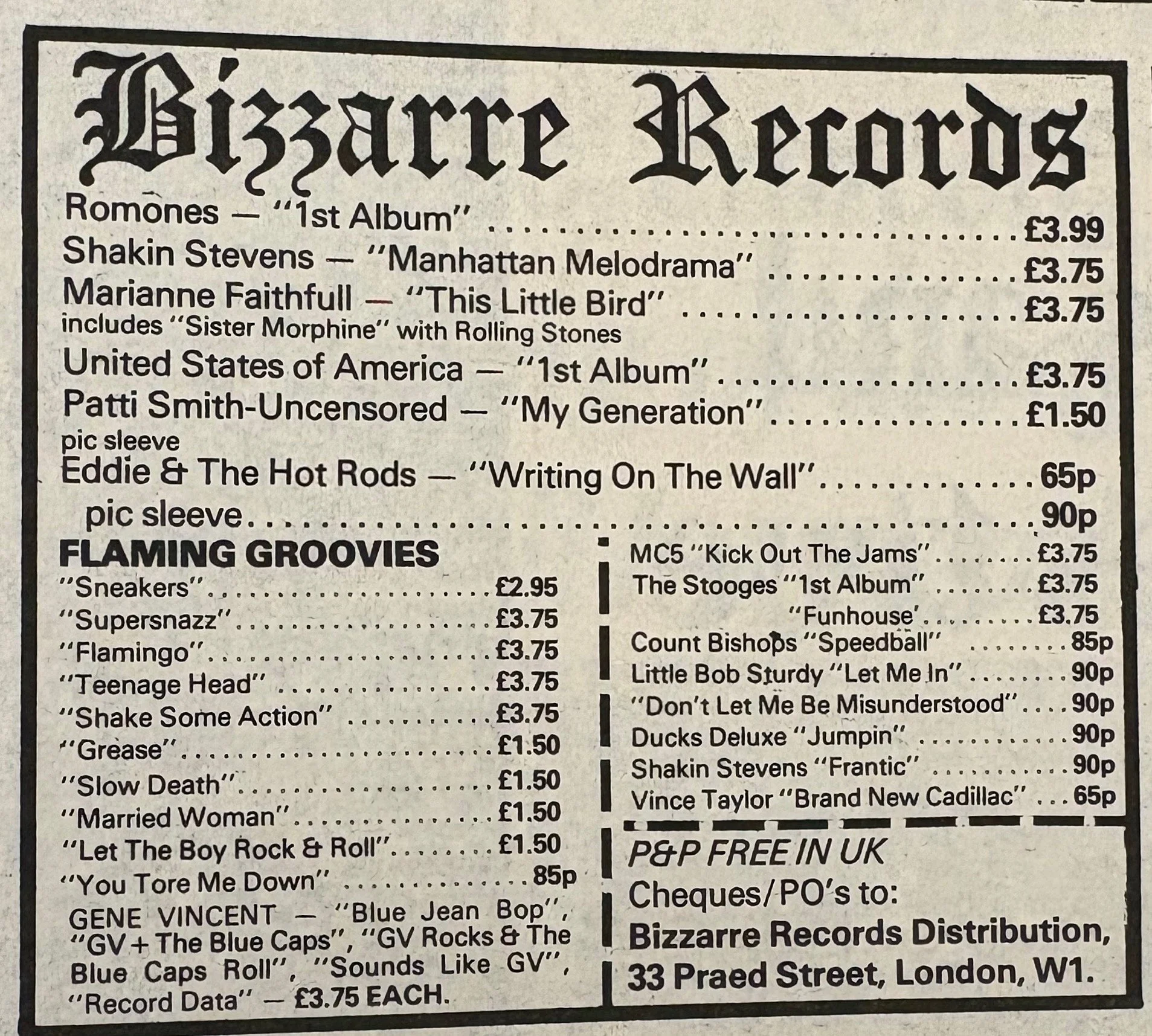
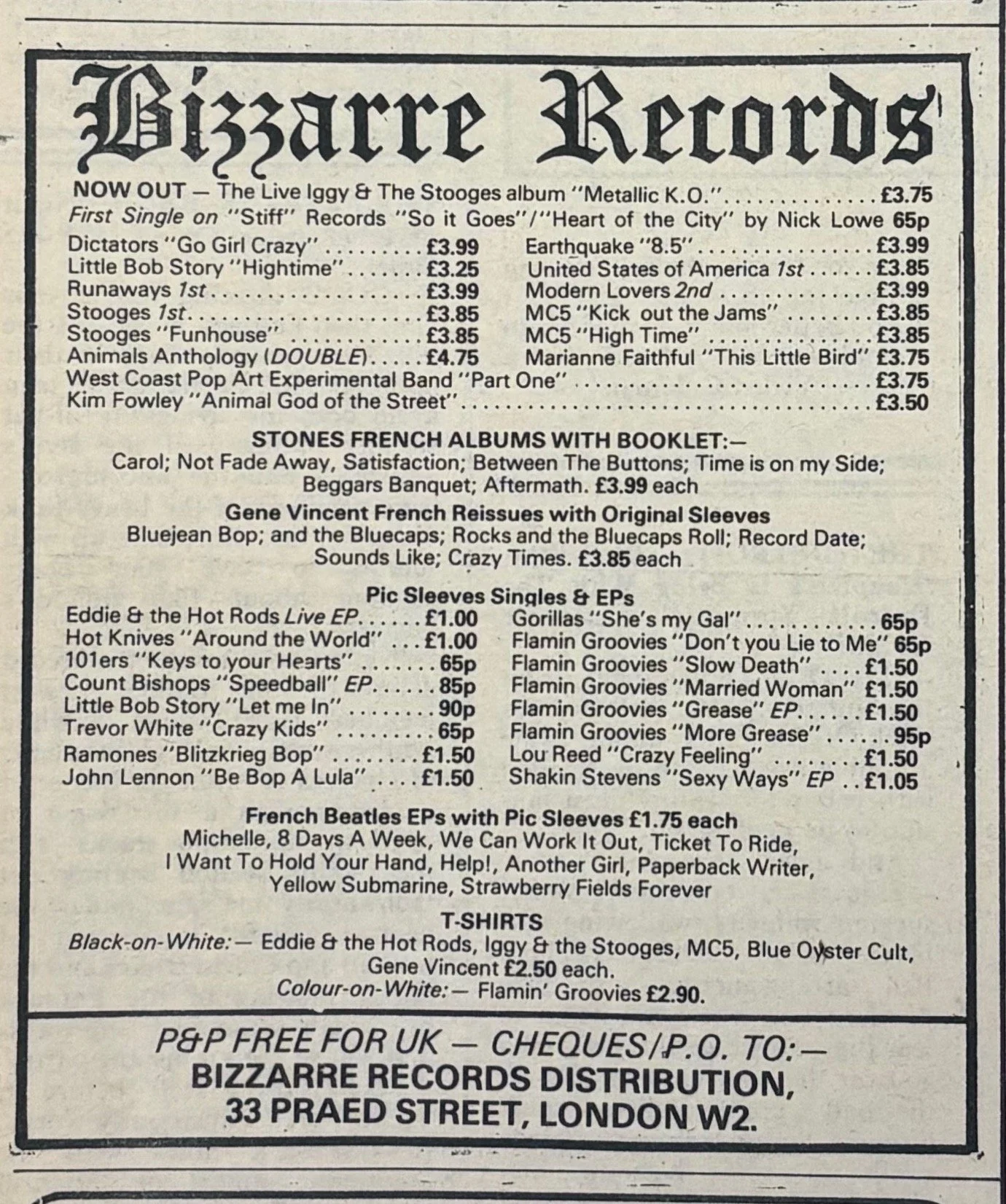
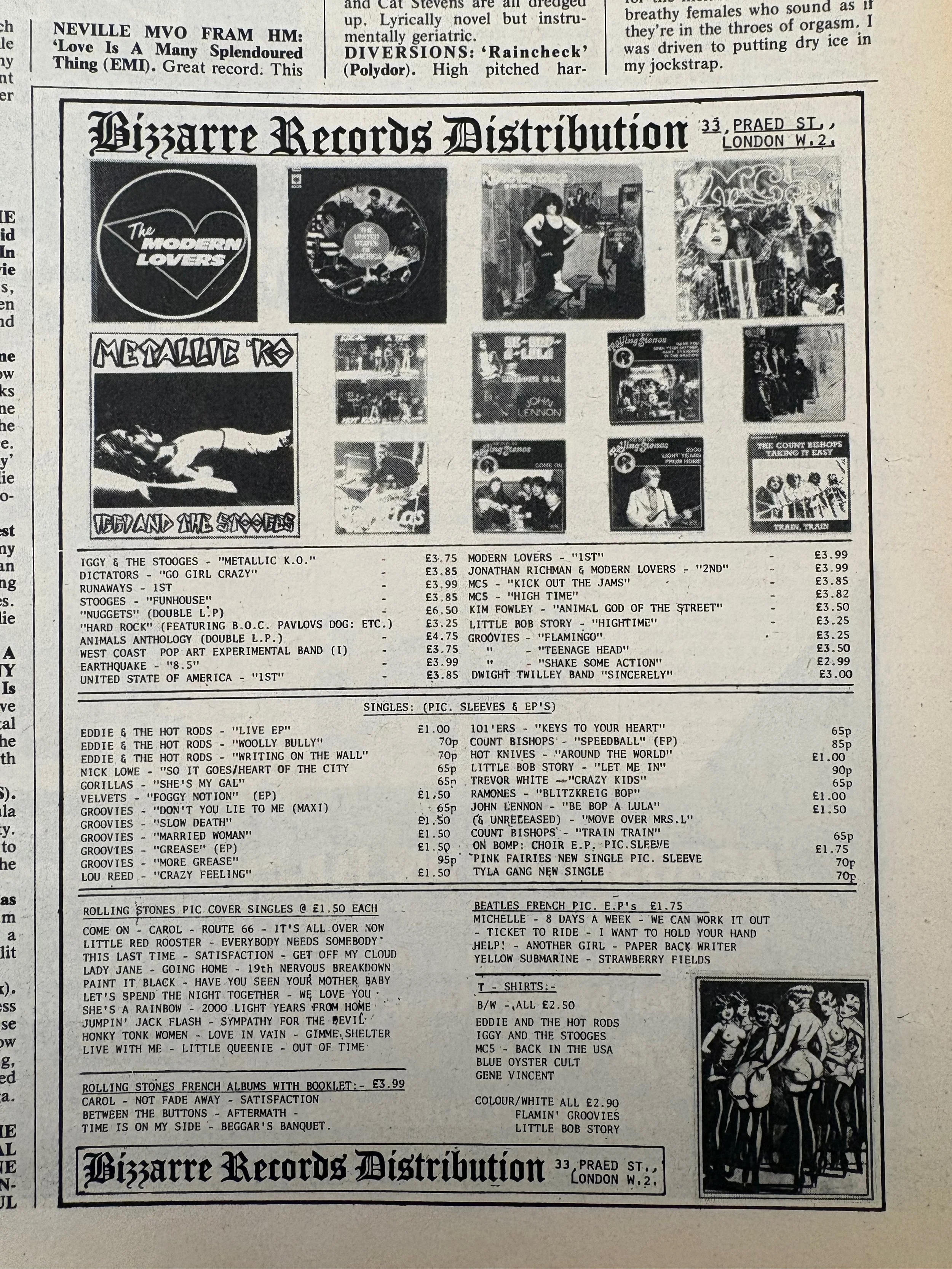
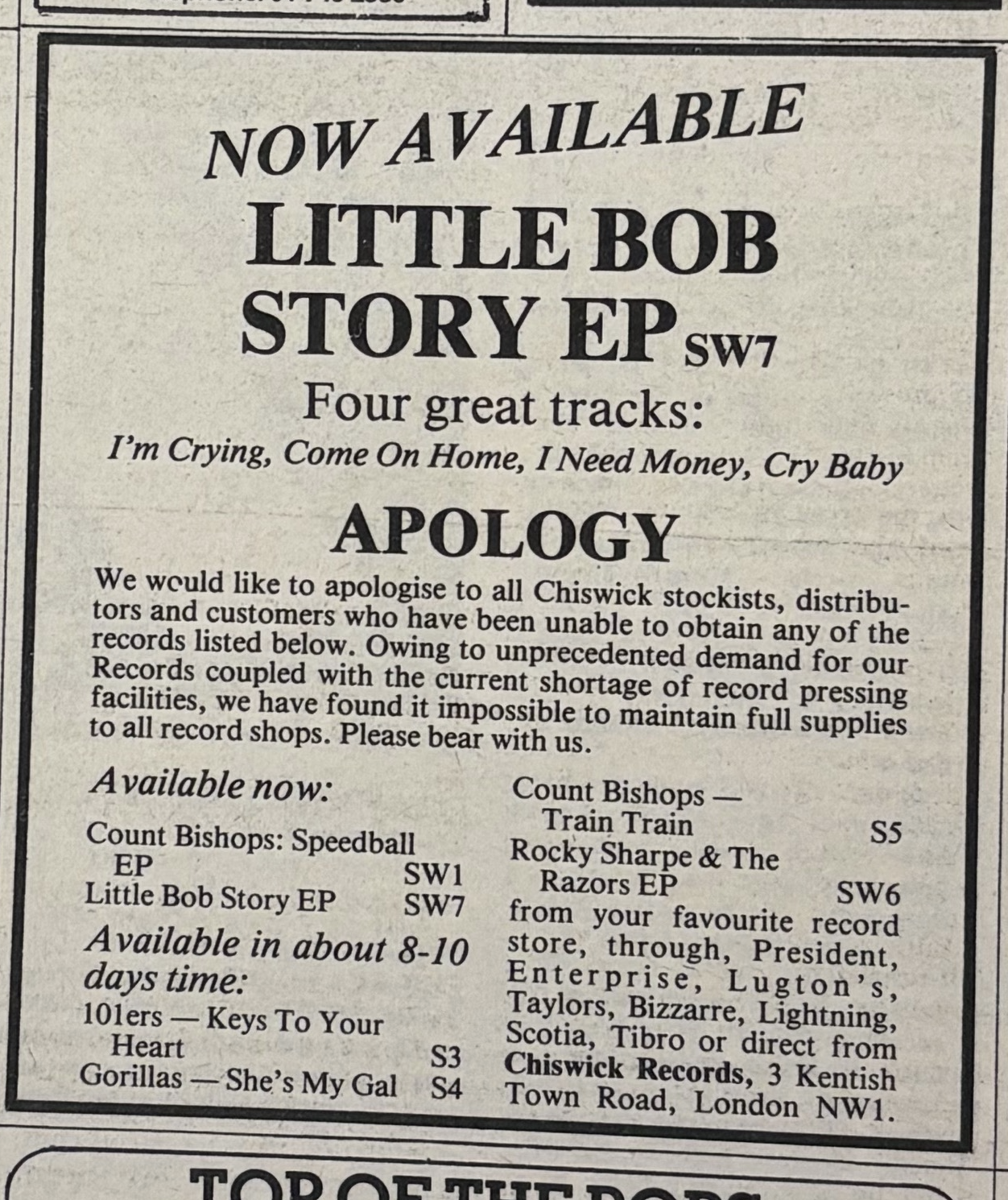
Writers like Giovanni Dadomo made the links and connections between bands like the Groovies and the Hot Rods, but the adverts by Rock On and Bizzarre amplified them and, I reckon, set something of the agenda. Chiswick’s Count Bishops EP, Gorillas and 101’ers releases were an important part of the story and in the ads for the two shops they got linked to rock n’ roll revivalists, British R&B groups and American psychedelic punk, all of which I punched straight into my mainline. A connoisseur’s taste for the rarified was fast being acquired and these two shops fed my growing appetite for the sound of speed.

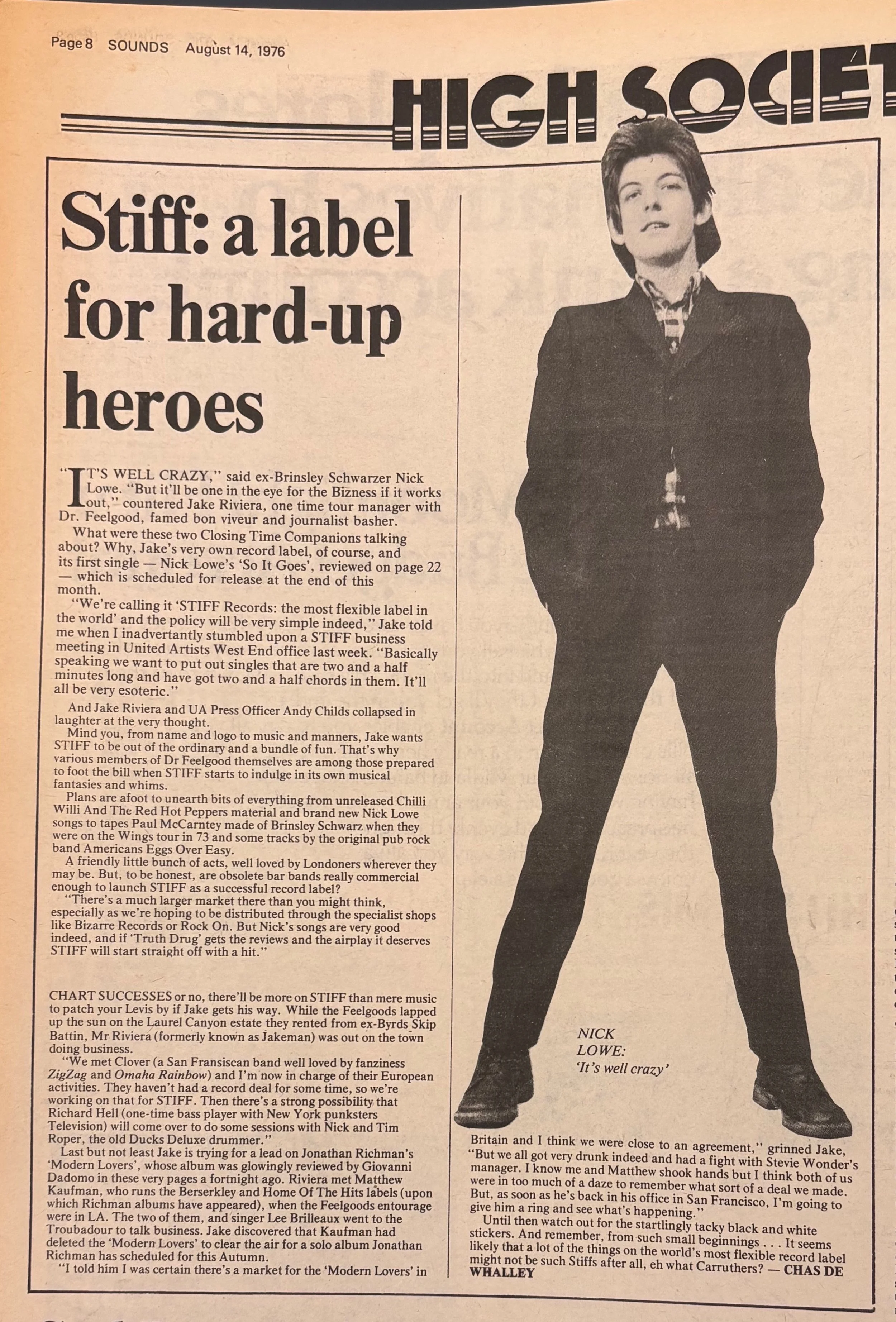
Mid-June 1976

Mid-June 1976

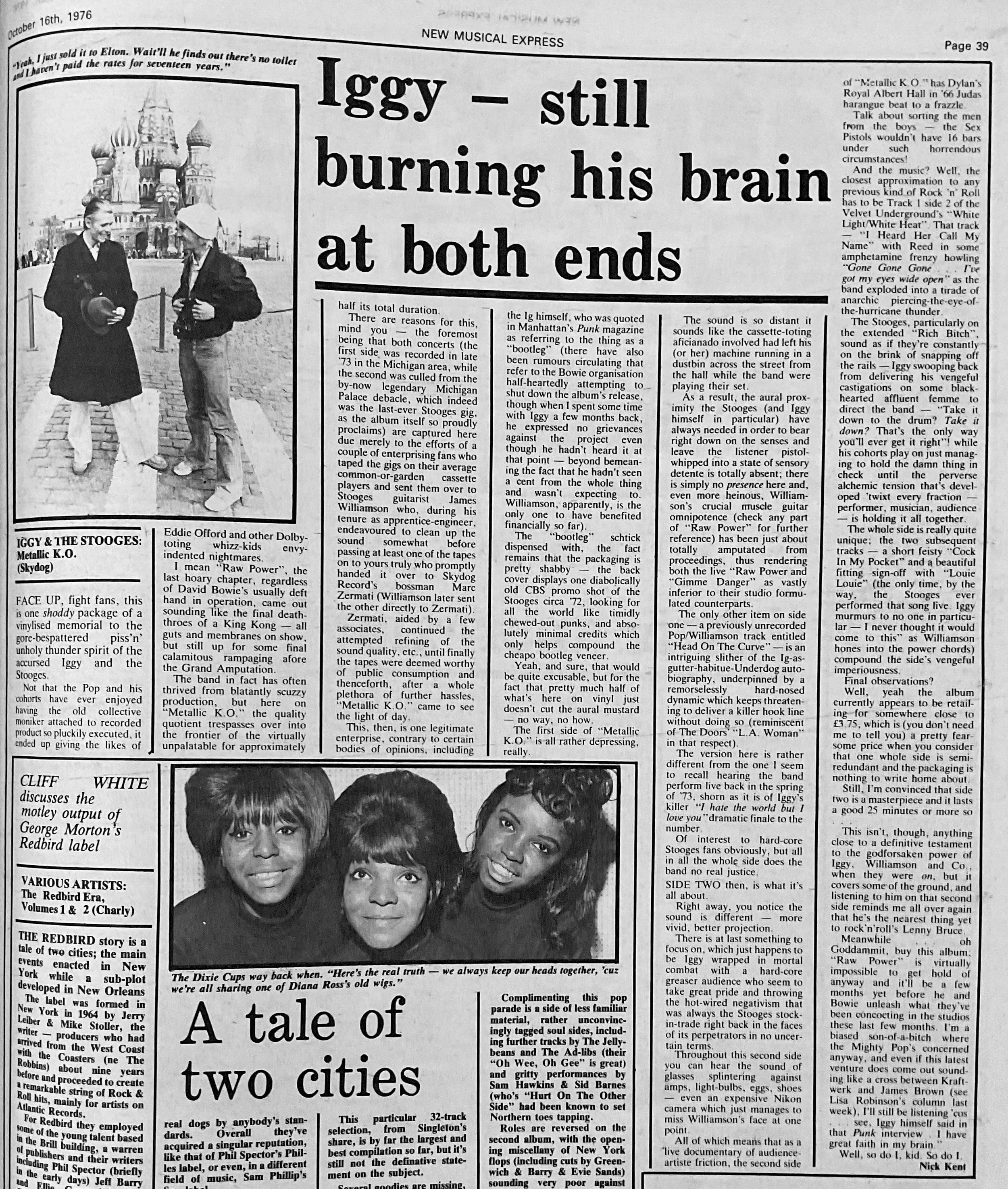
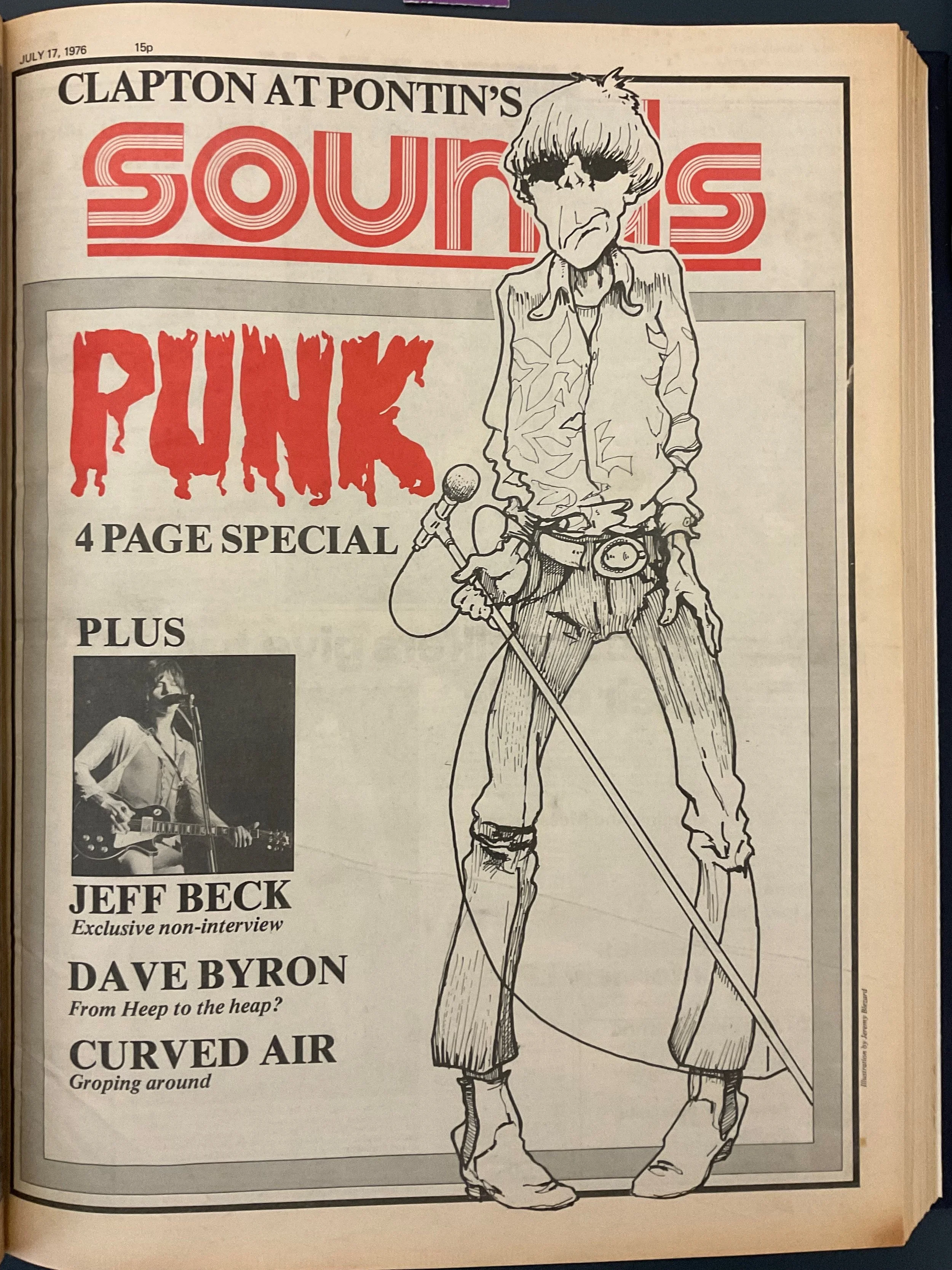
Dadomo A-Z of Punk (July 17 1976)

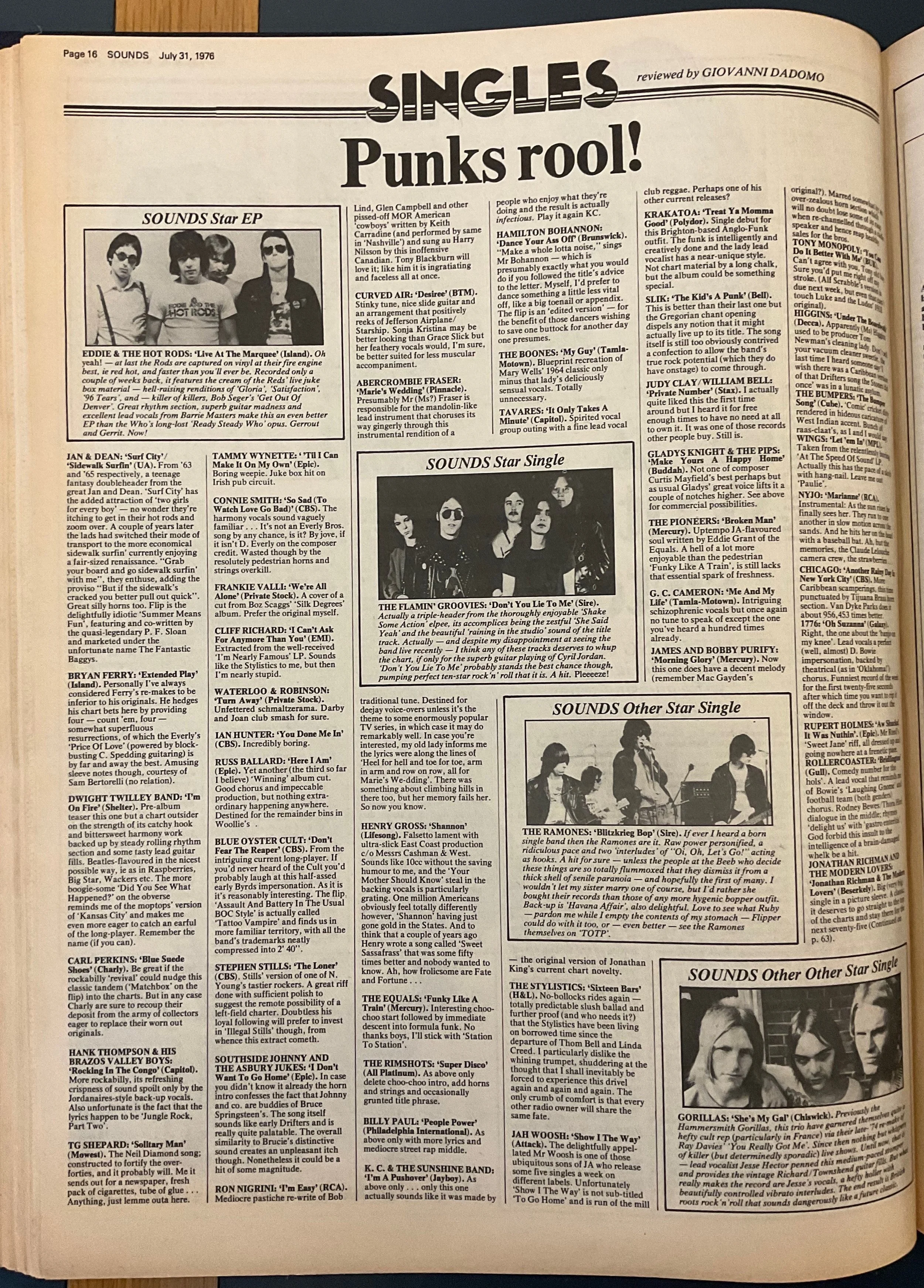
Dadomo\s Punks Rool! singles column; four pieces of vinyl perfection

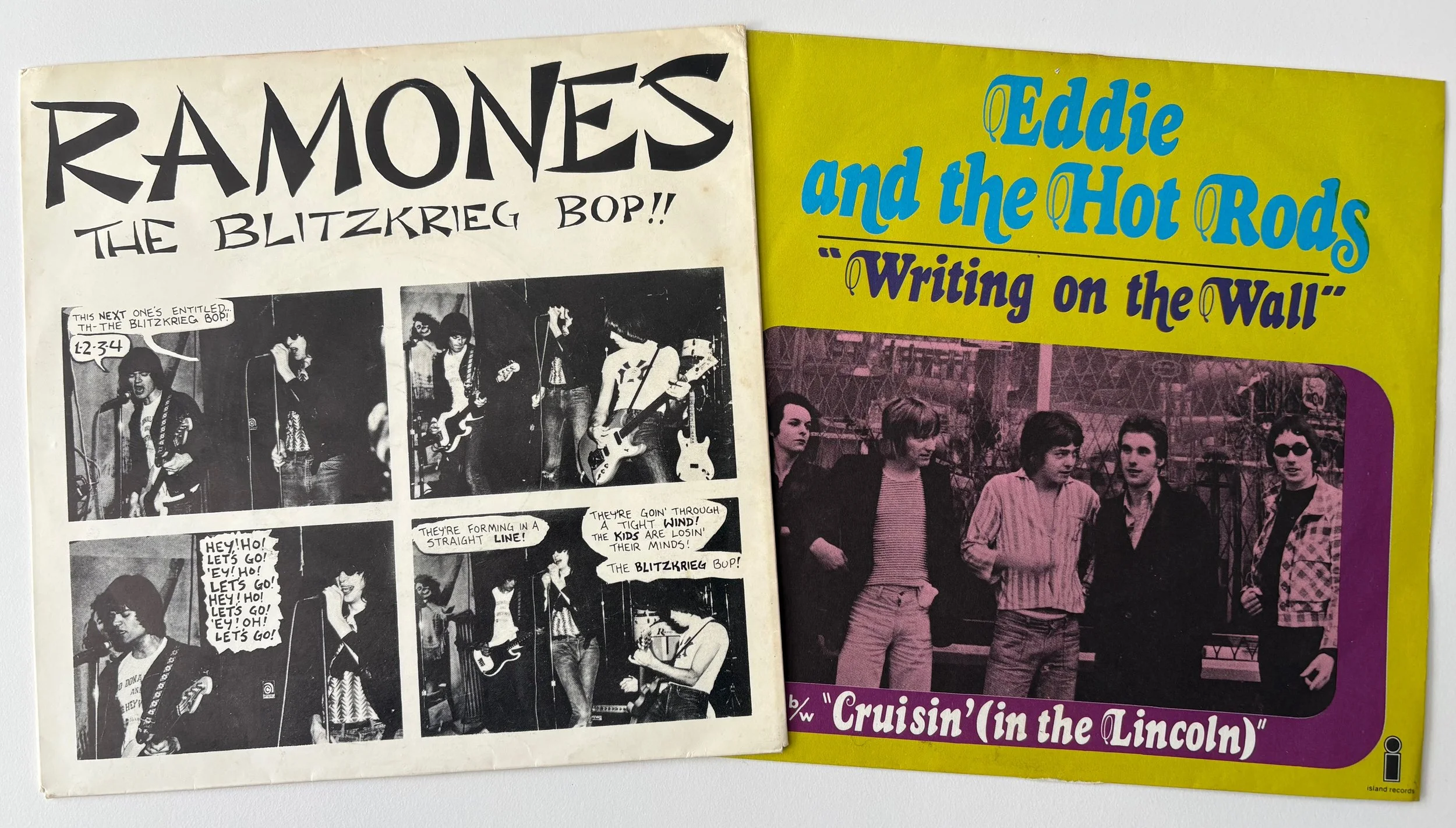
It wasn’t just about the music, it was also about the stance you took and the clothes your wore — the fad for well-dressed singles began here. Copies of ‘Blitzkrieg Bop’ and French Hot Rod’s debut, purchased for a premium price and maximum credibility at Rock On, were among my highest acts of discerning consumption in those penniless days.

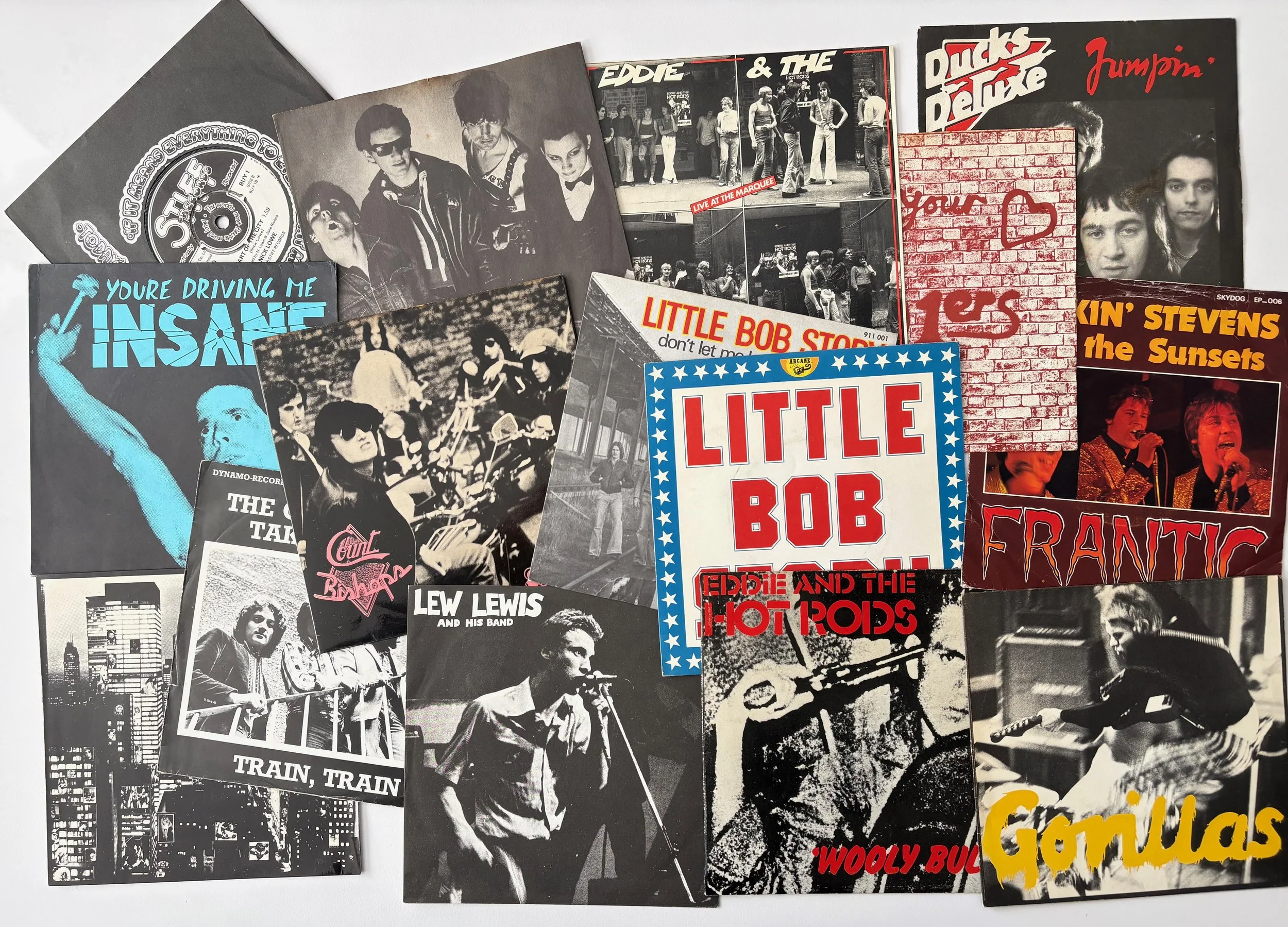
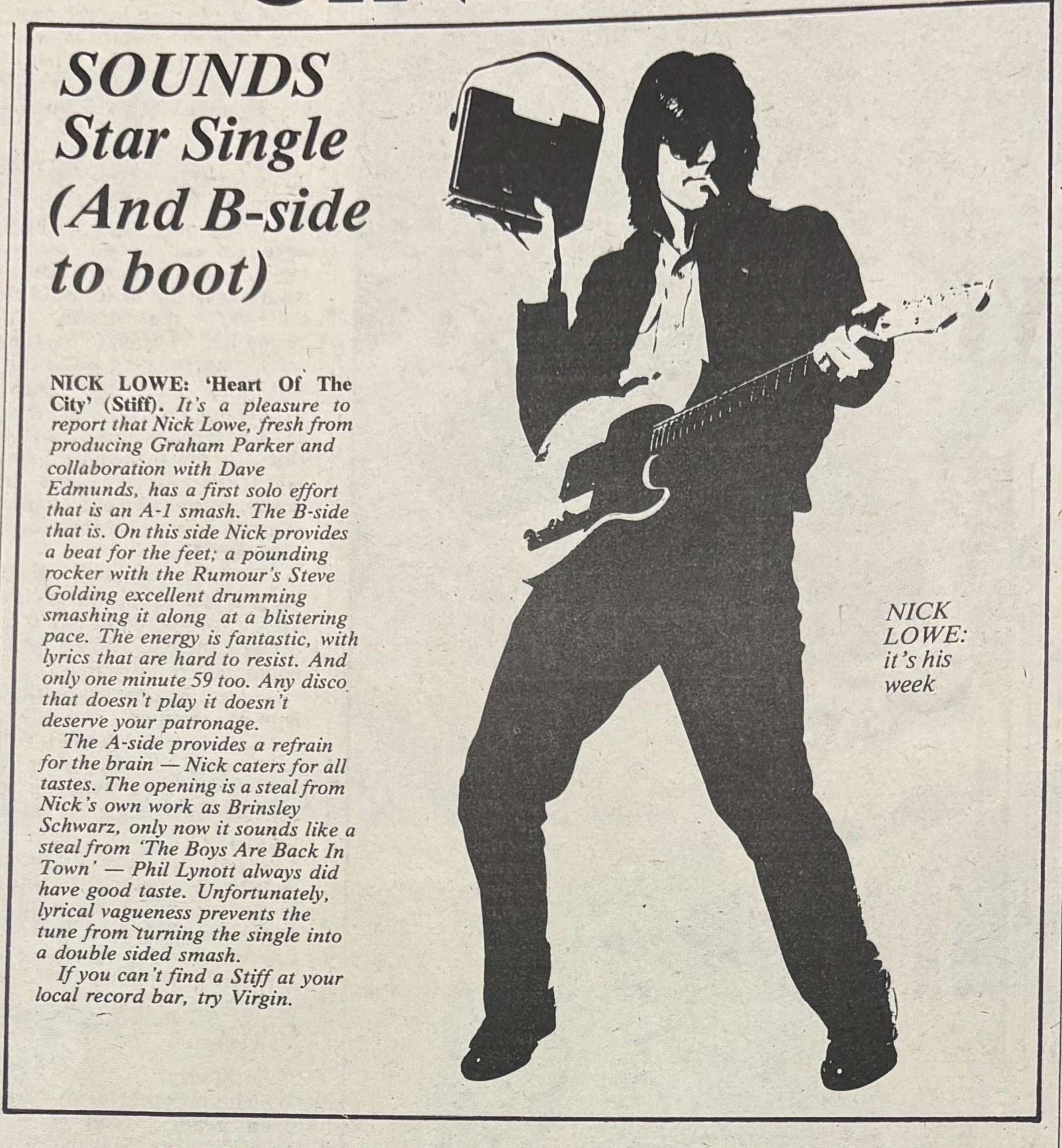
The arrival of Stiff in the Summer took things altogether to another level with Nick Lowe’s ‘So It Goes’, followed by Lew Lewis’ mighty ‘Boogie on the Street’ starting a run that culminated in ‘76 with the Damned’s ‘New Rose’.

Whatever the impact these shops did have on the scene, one thing is for certain, they helped turn record buyers into record collectors – pic sleeve singles a pop equivalent of Panini football stickers or Batman and Monkees bubblegum cards. There would be no going back . . . Hello RSD
August 21 1976 and the French Flamin’ Groovies 45s still holding their own even at double the cost of a standard UK release

For a couple of weeks in October Bizzarre placed quarter page ads in Sounds. They were obviously feeling more confident about things.

December 4 1976

December 4 1976

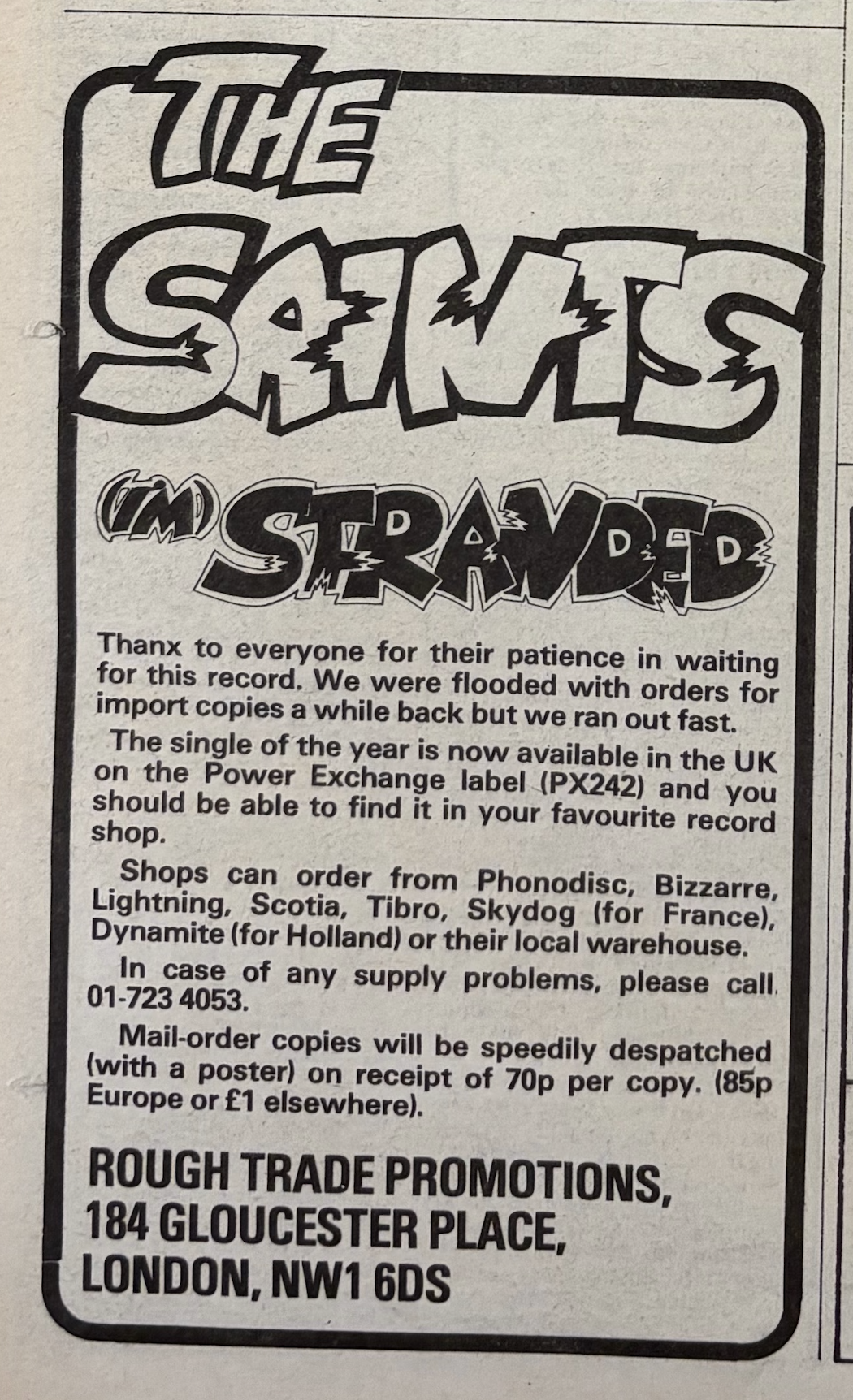
The Sex Pistols finally appeared in Bizzarre’s inventory just as Chiswick hit snags with supplying demand. Meanwhile, Rough Trade, who had imported around a hundred copies of the Saints’ 45, are now acting as promotion agents for its UK release

December 25 1976

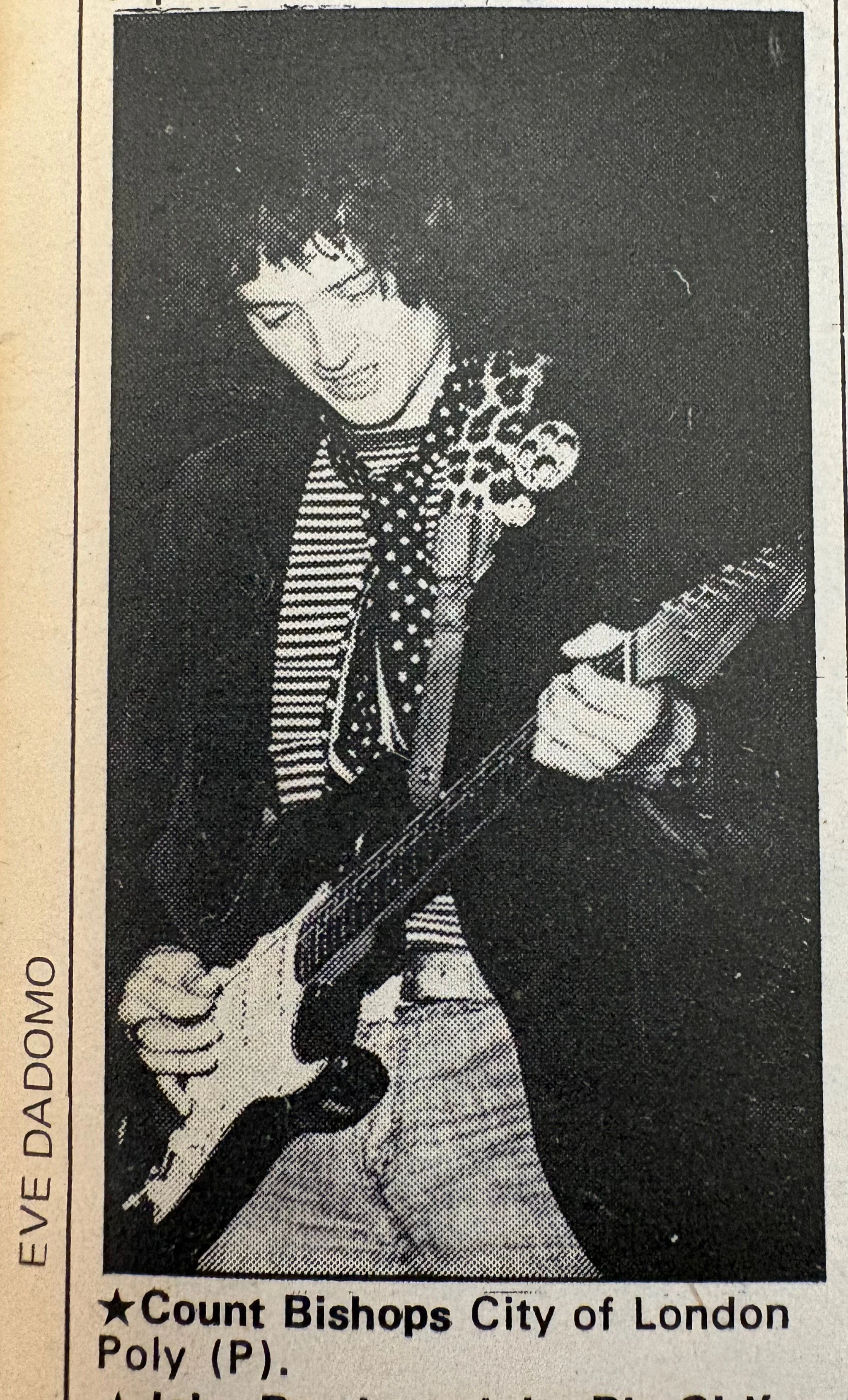
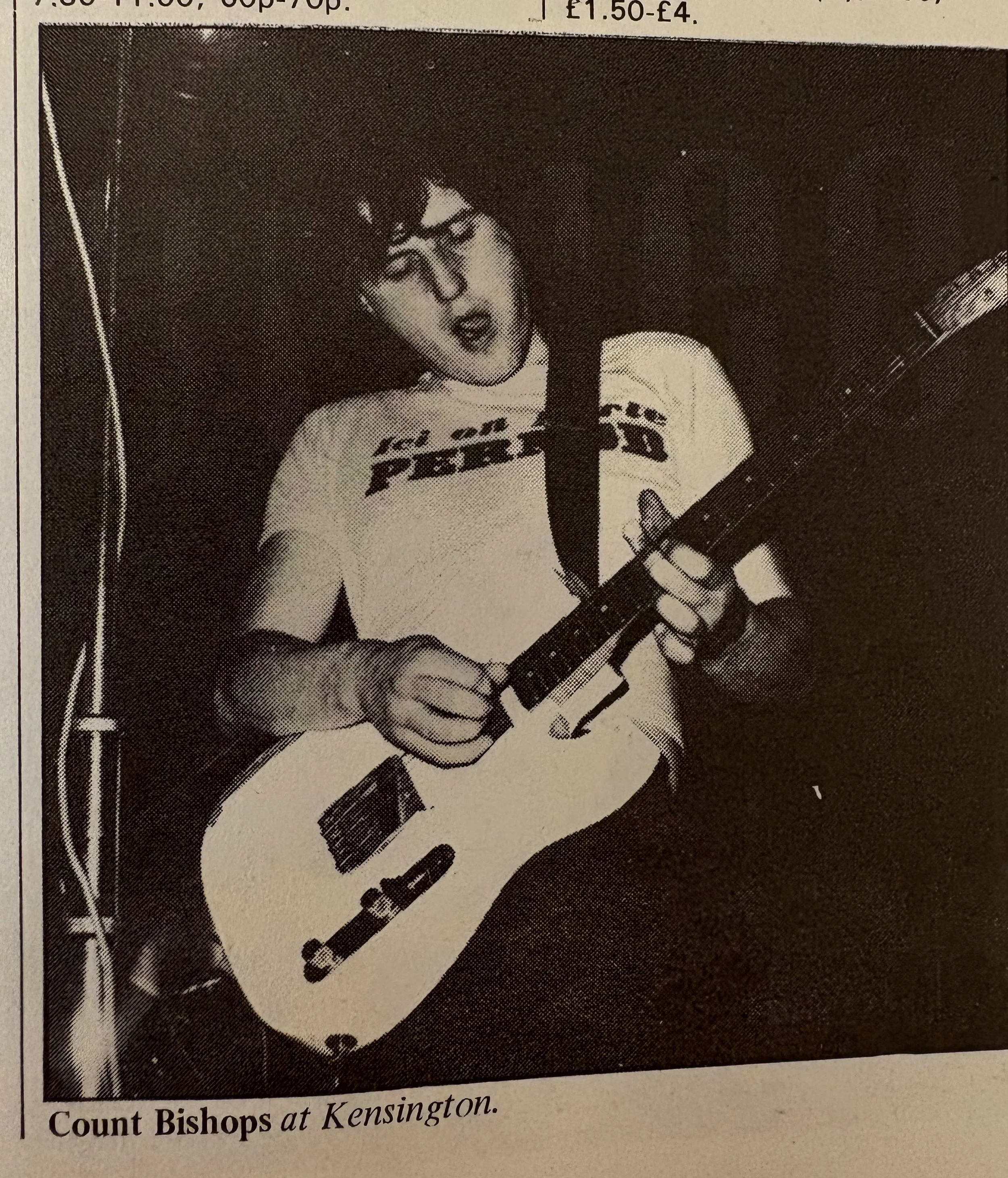
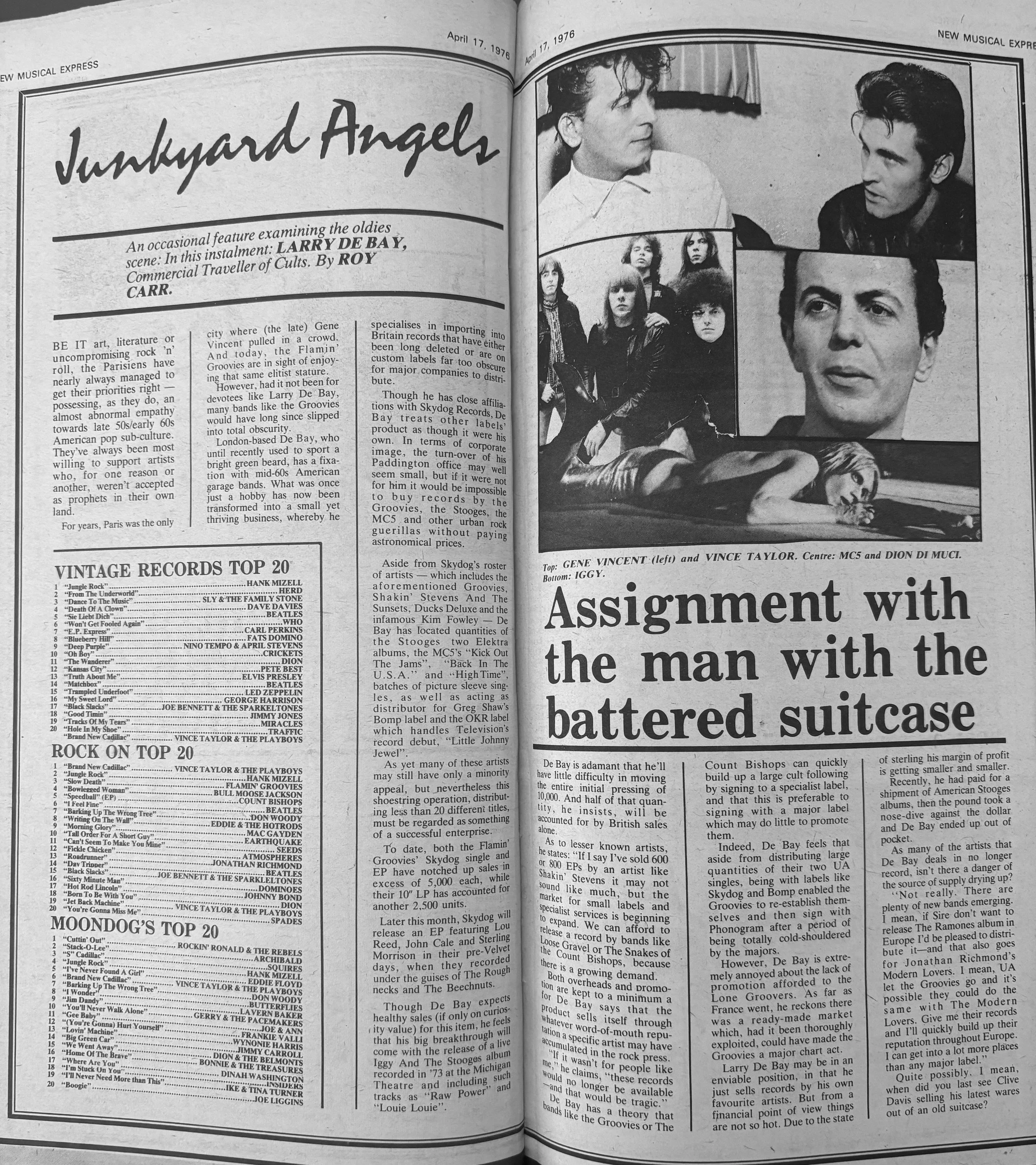
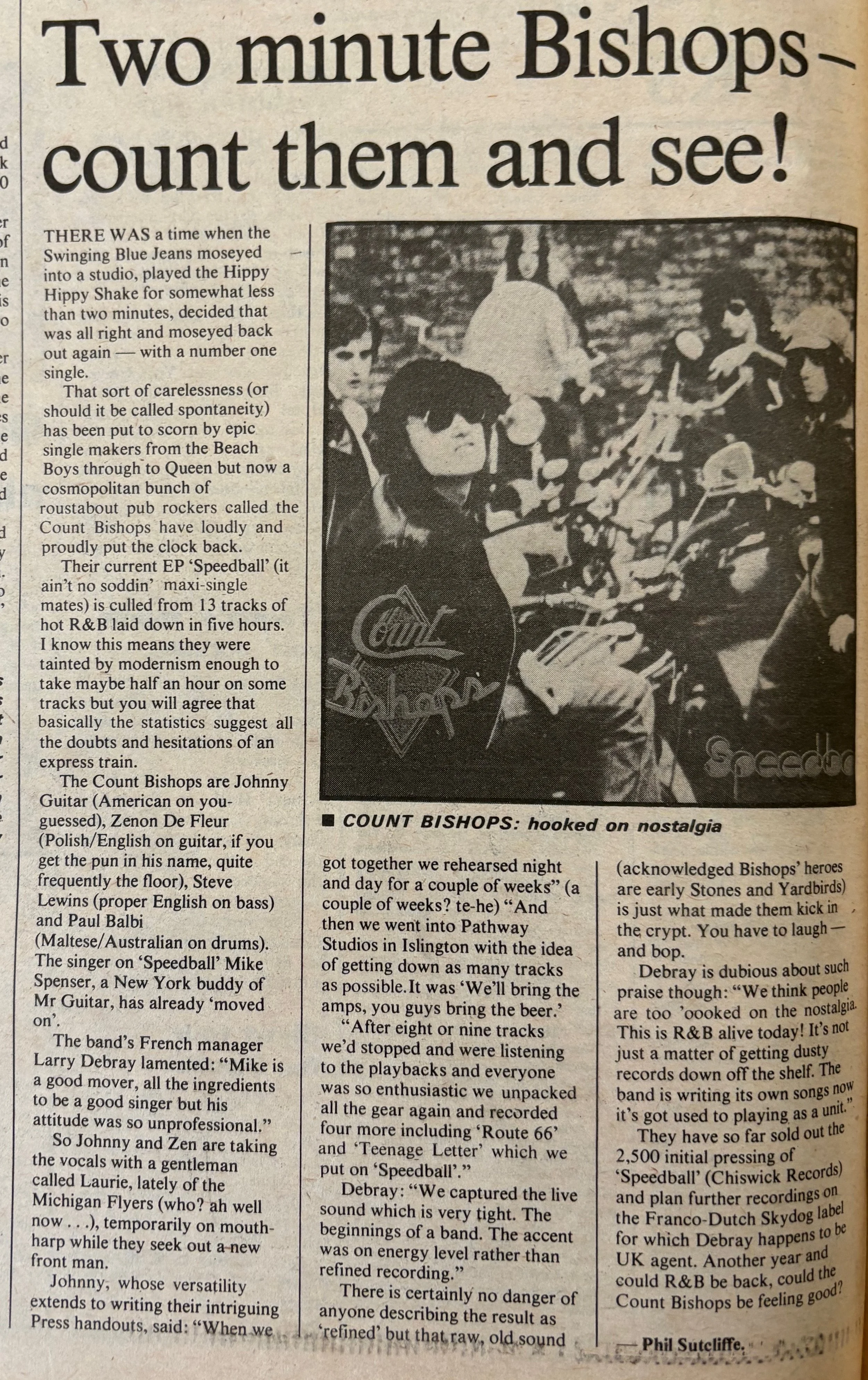
If this is where the year ends with the Saints and Rough Trade, here’s where it began with a profile of the Count Bishops in Sounds (January 10 1976). Bizzarre’s mainman, Larry Debay, was their manager at this point. He was someone with major connections back into France, the Open Market, Skydog records and Marc Zermati who, at this point in time, was, without doubt, the hippest man in the world [HERE] and [HERE}

The stories of Stiff, Chiswick/Rock On and Rough Trade are all well known, but Larry Debay’s contribution to the nascent punk scene with his Bizzarre shop, distribution and mail order business, still flies under the radar, just like the records he once hawked.

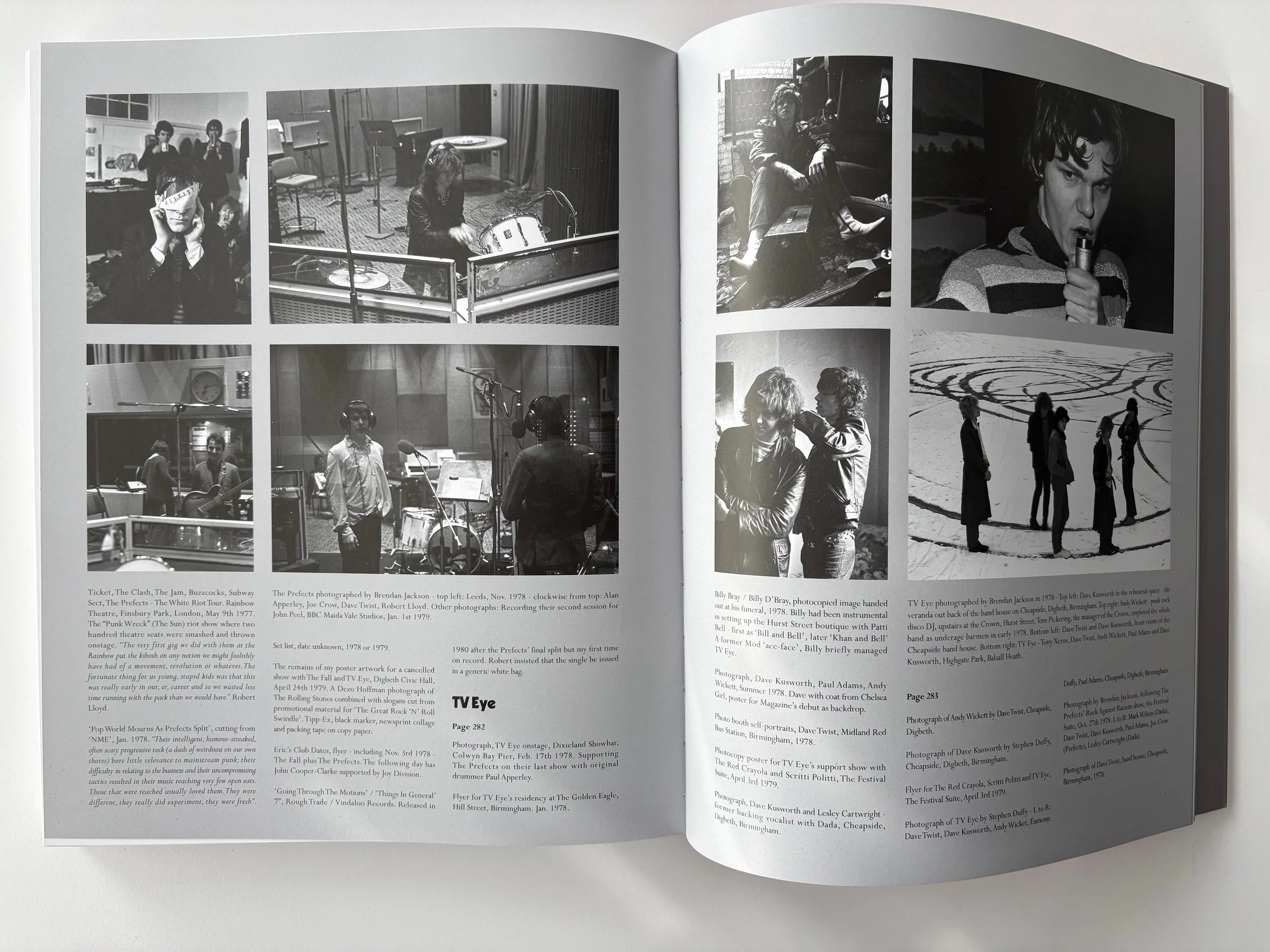
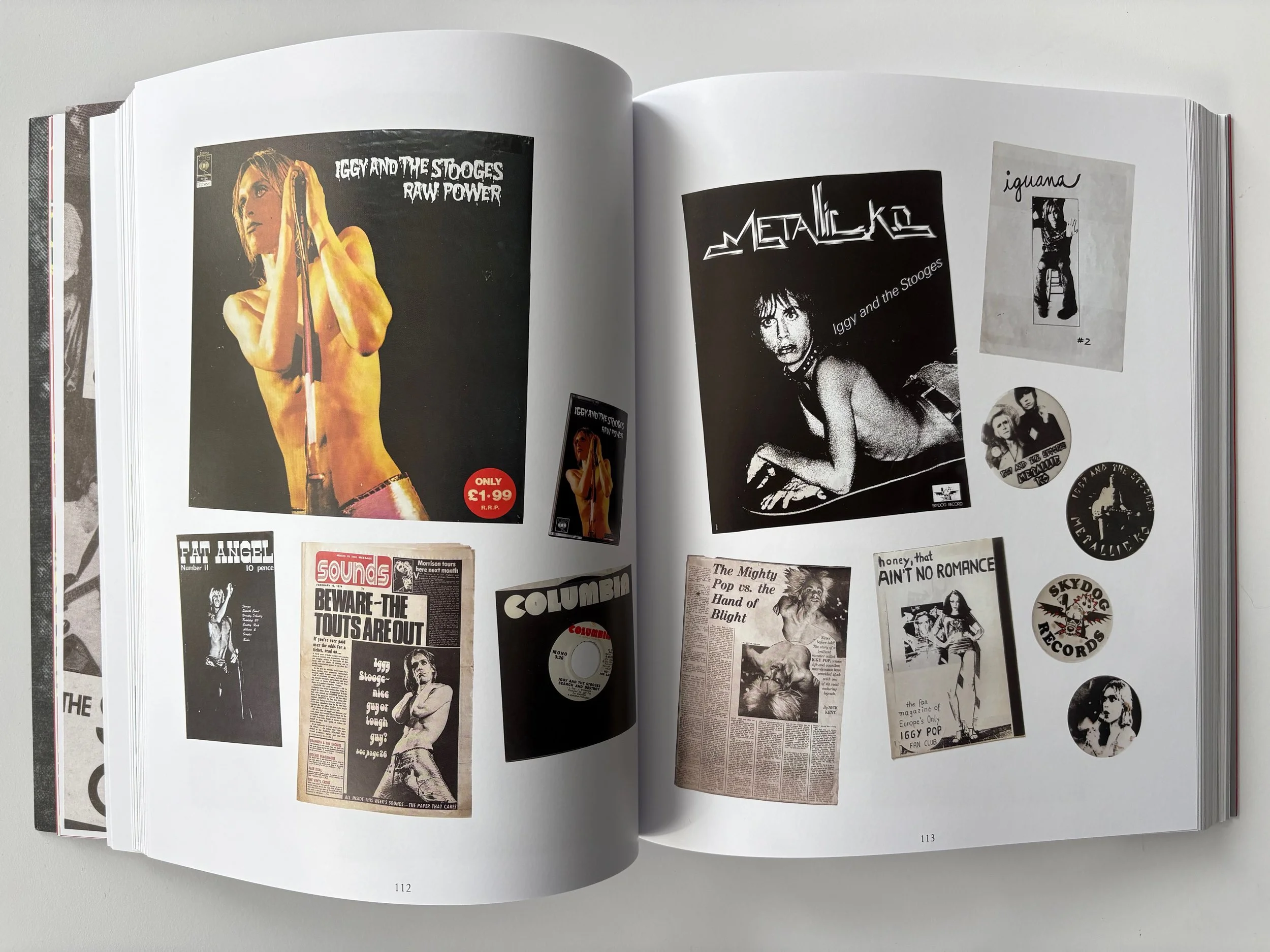
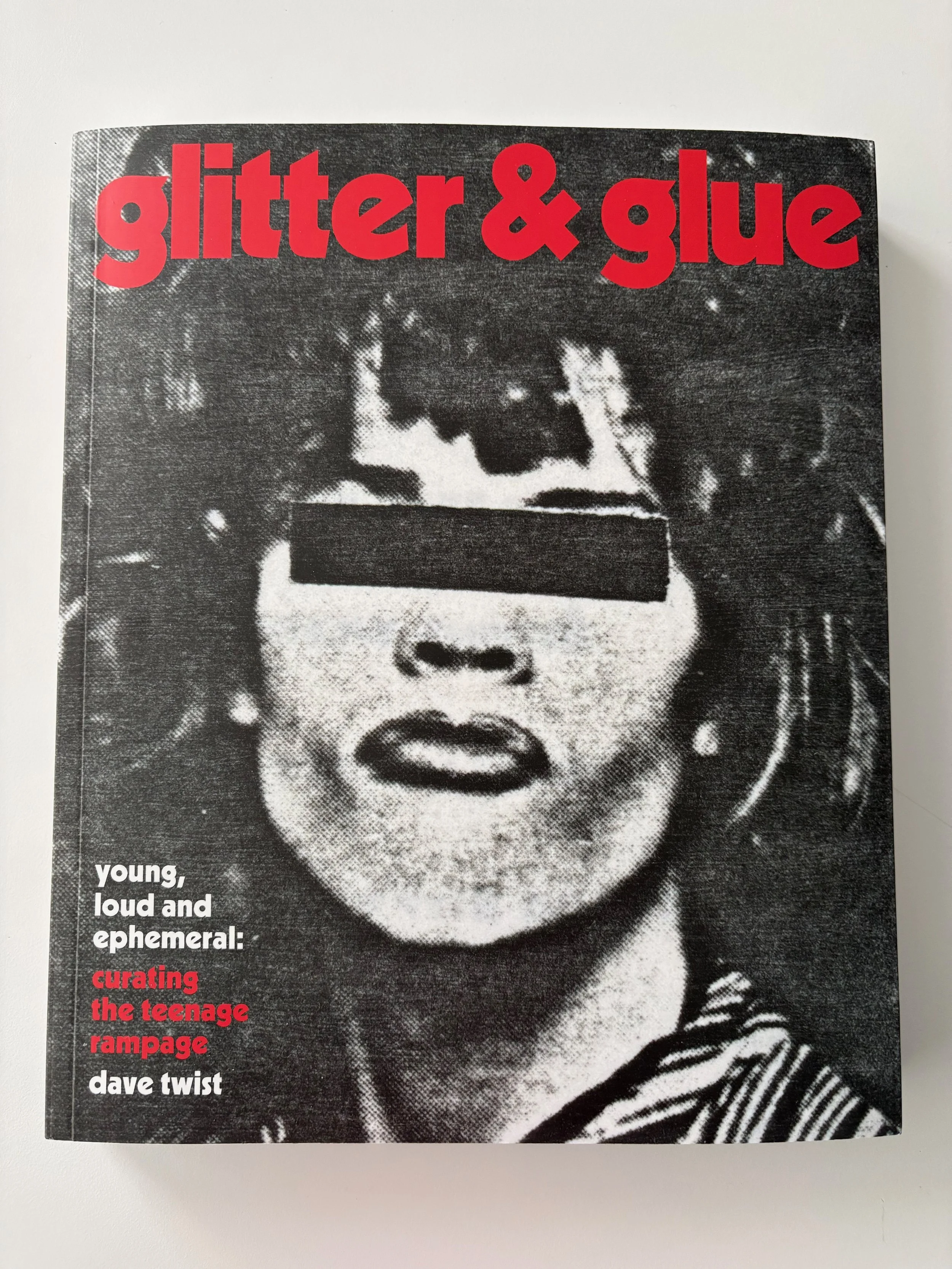
Glitter and Glue – Dave Twist's Trove of Treasures

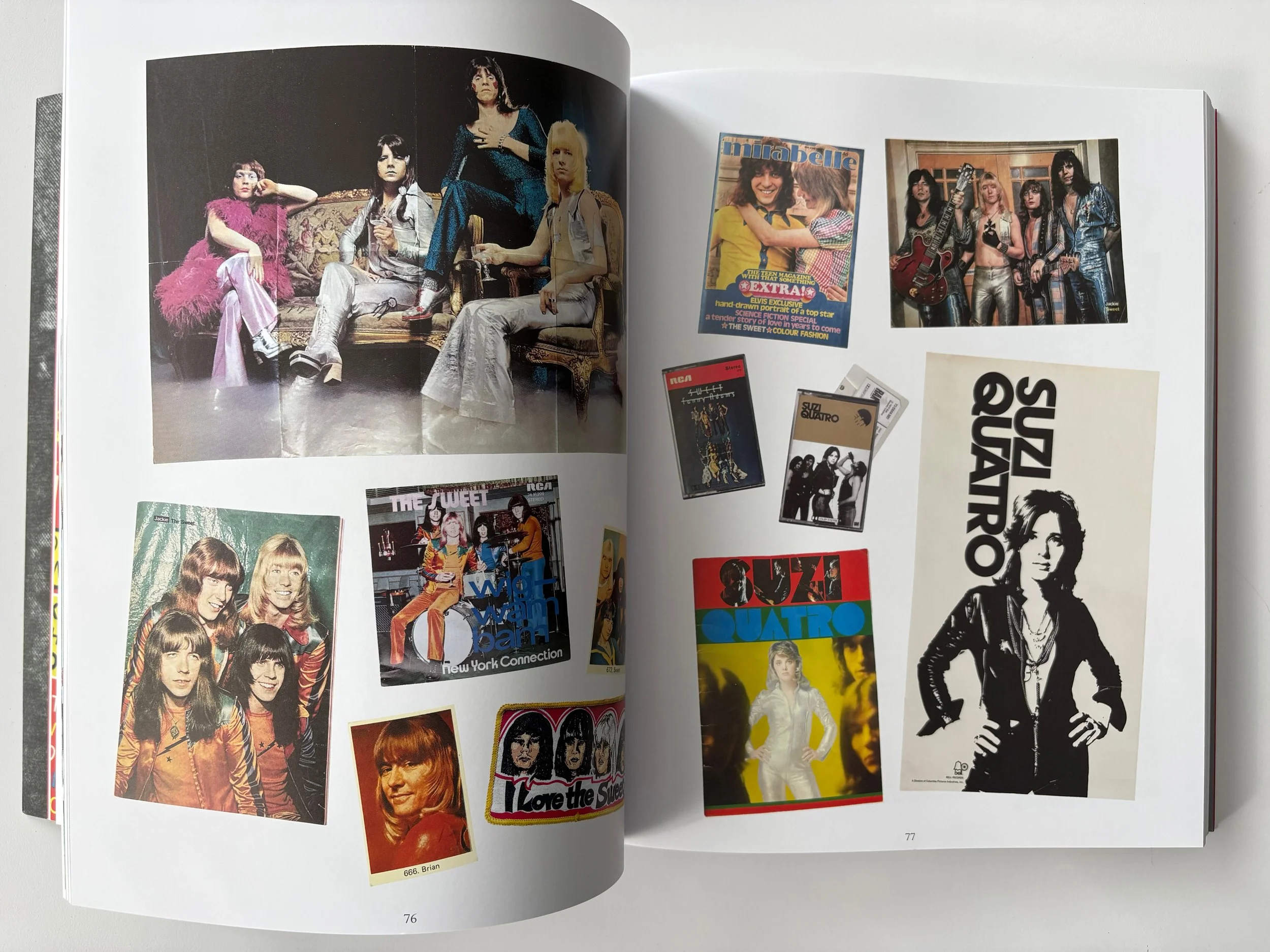
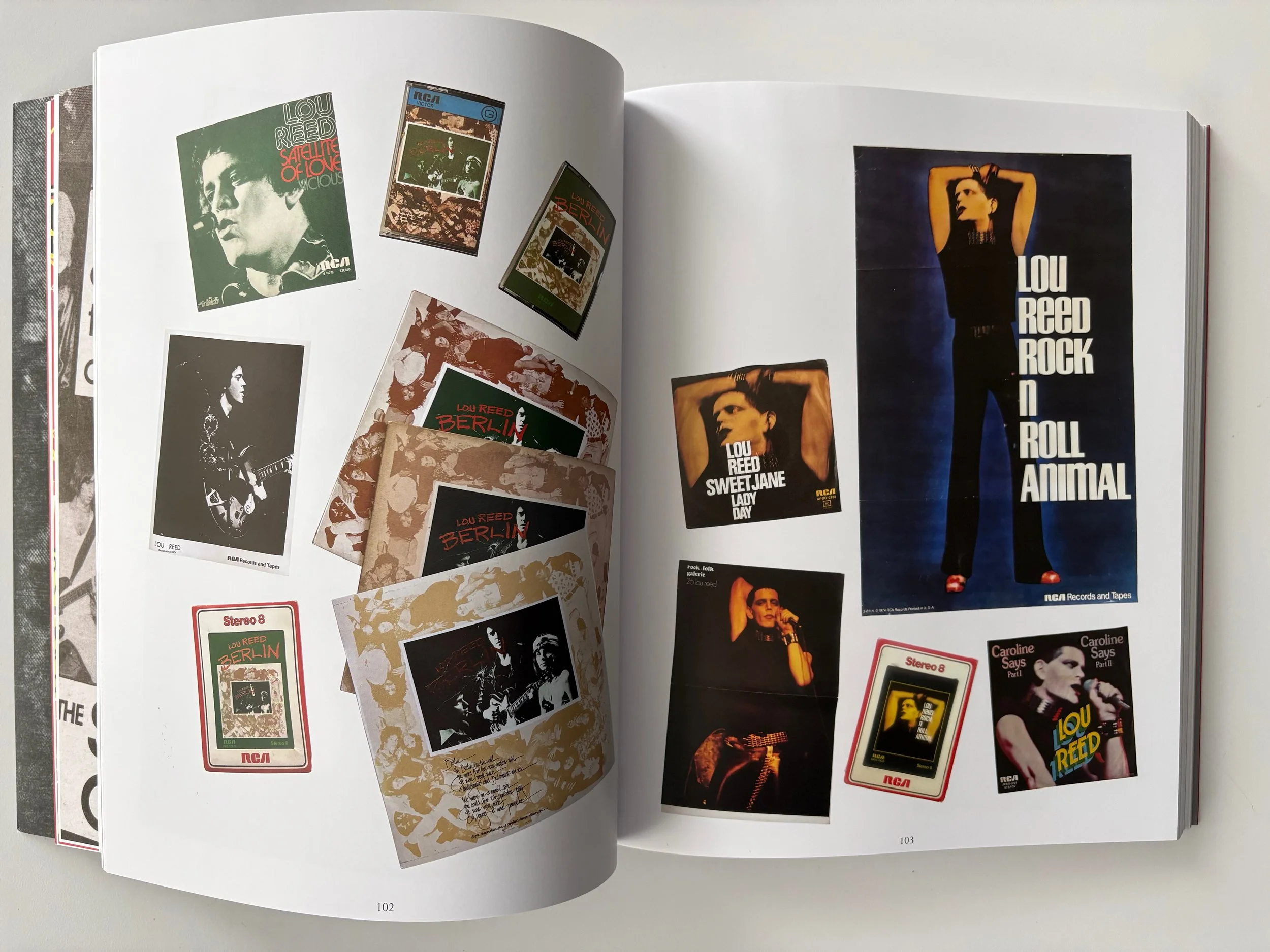
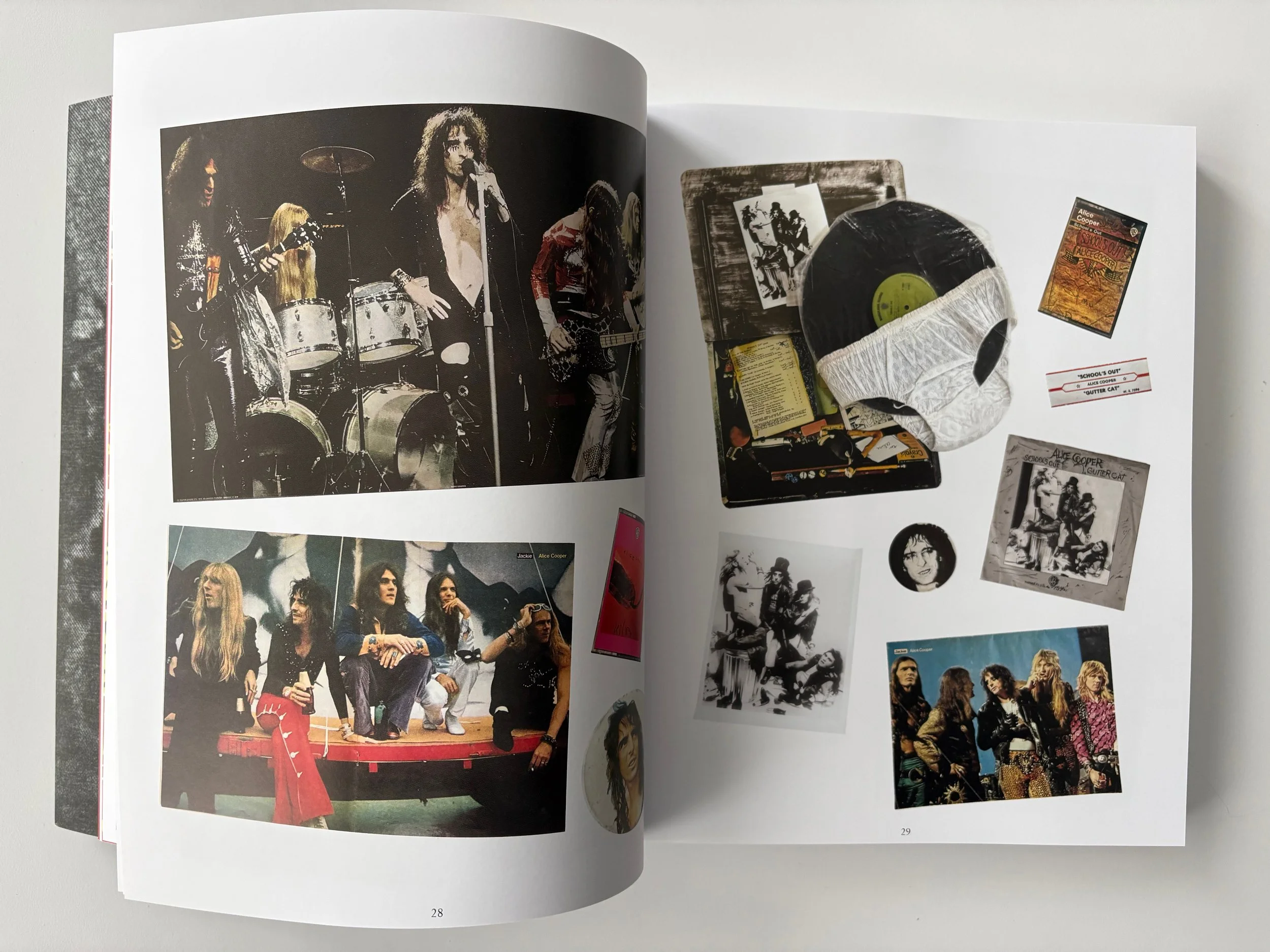
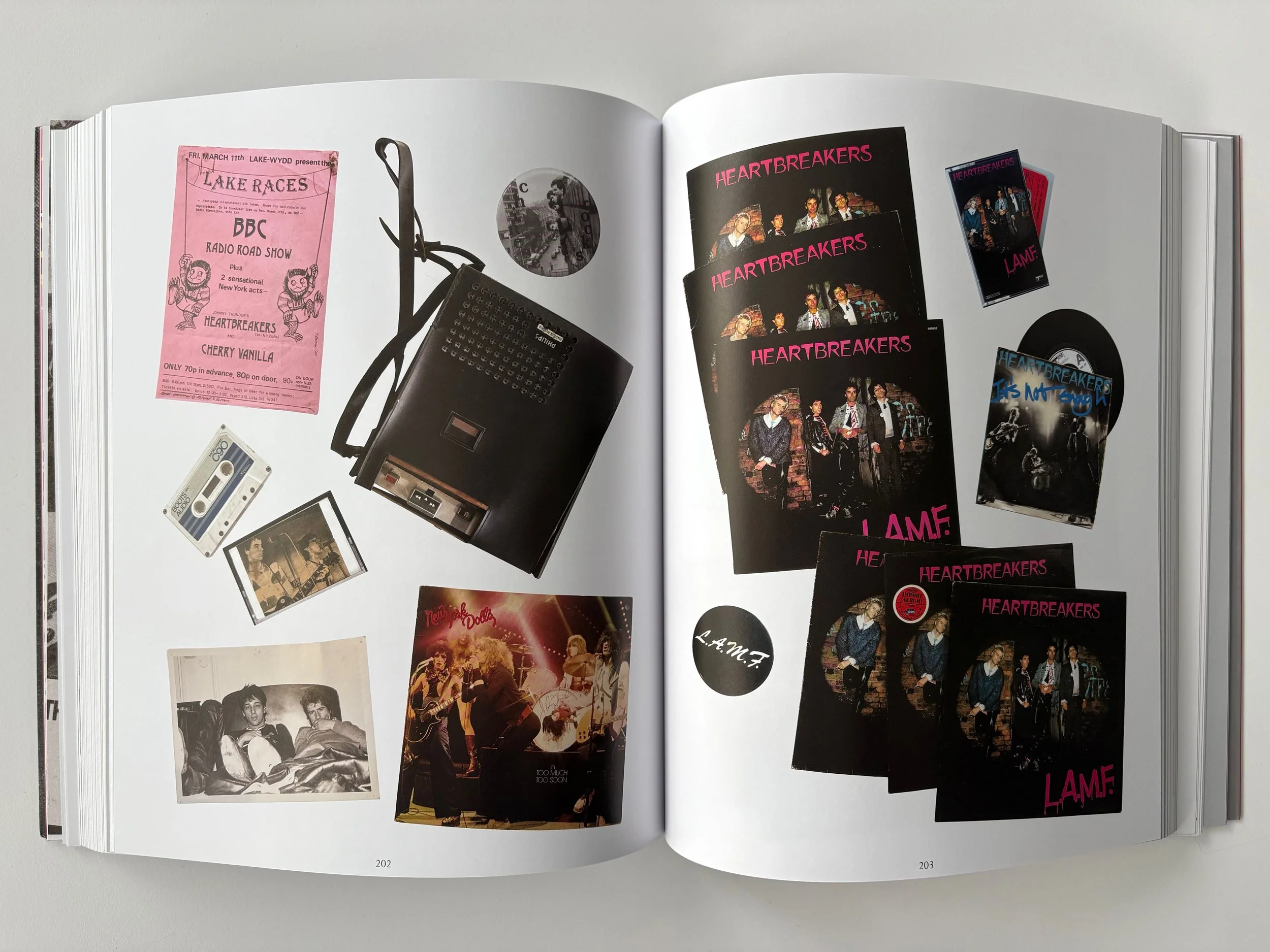
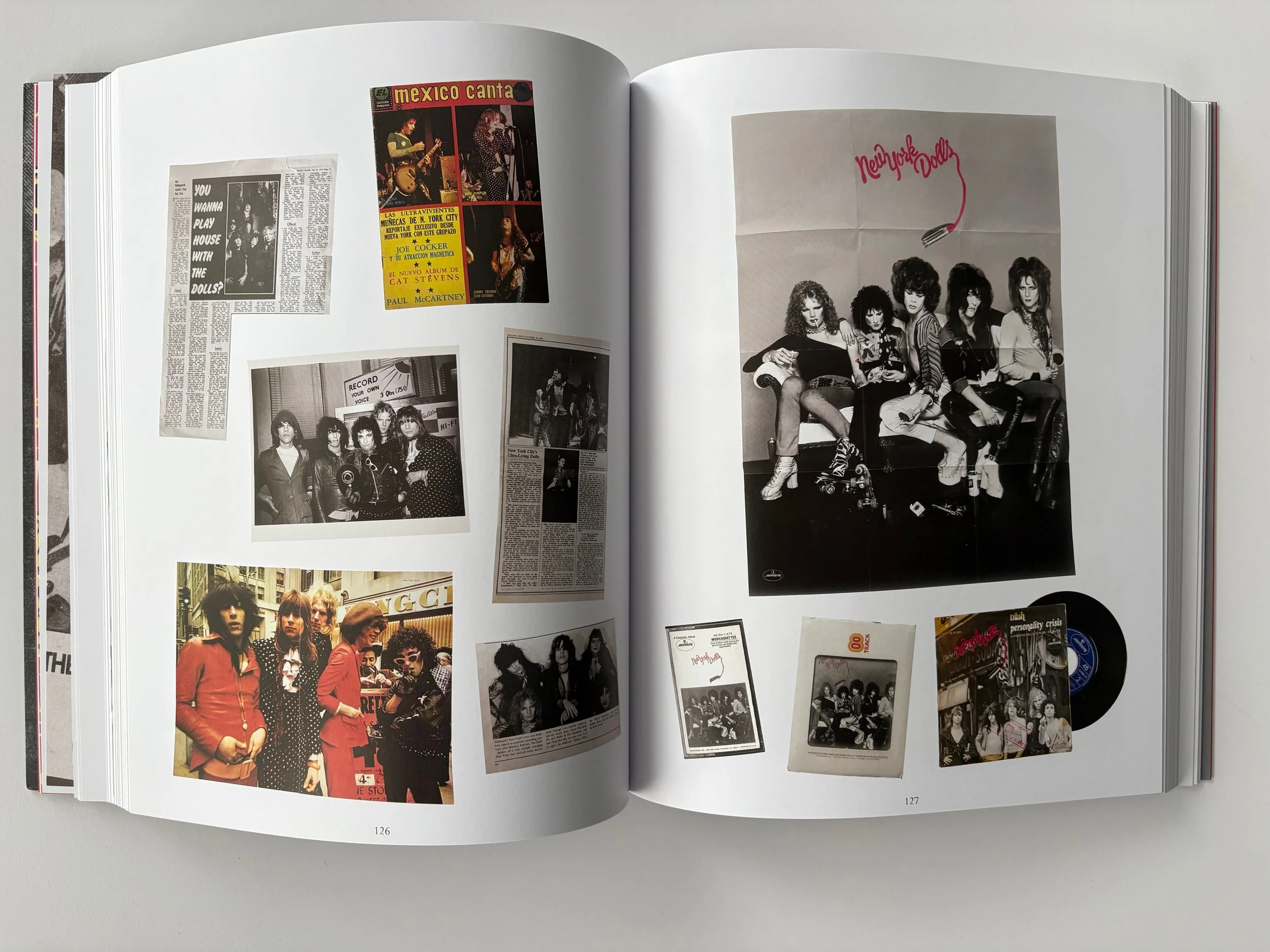
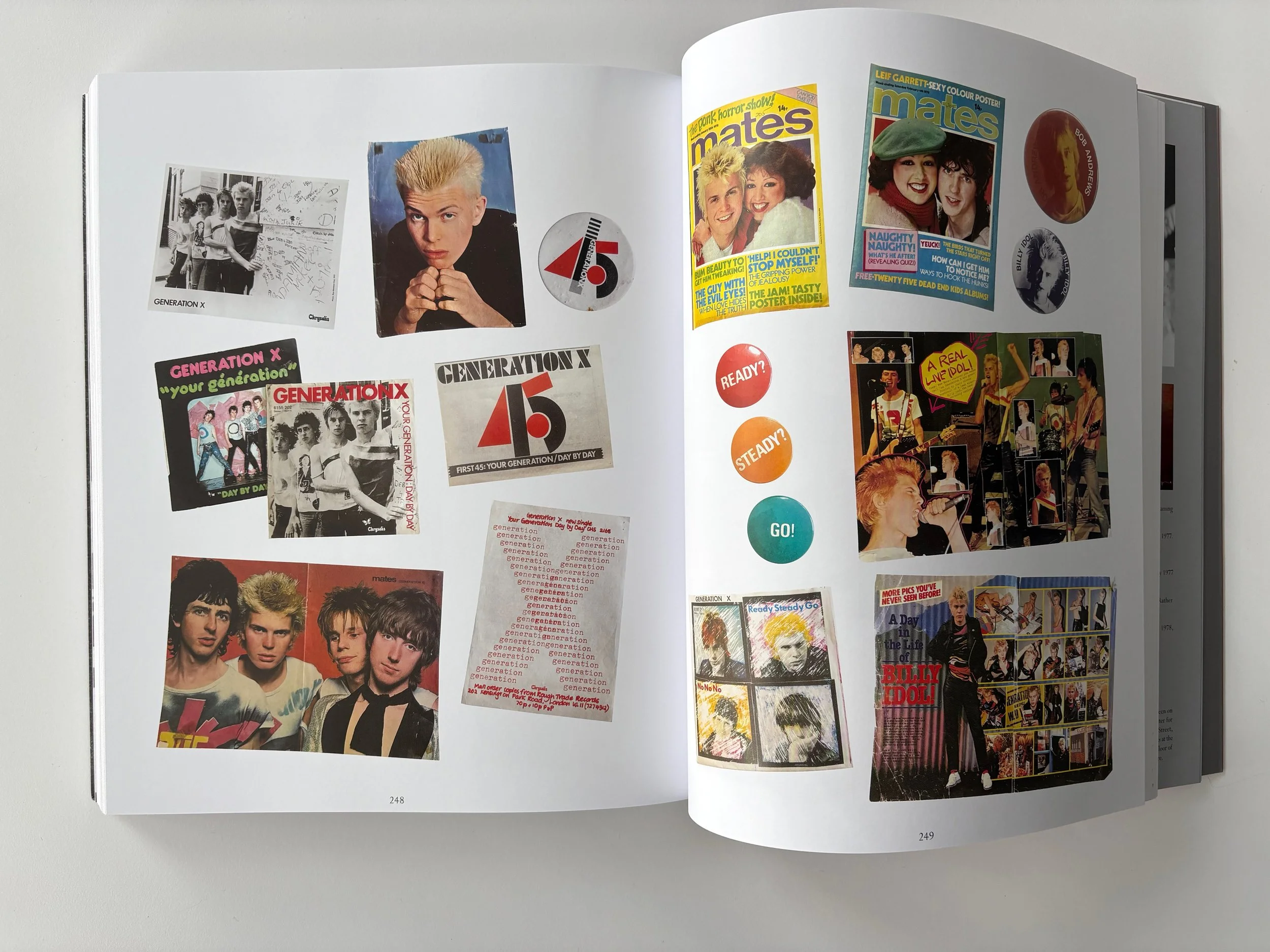
A tome, not a tomb, filled with relics, revenants, remnants first acquired in the hot fleeting minutes of teen fandom and then added to and curated in the cool age of later years. It’s an extraordinary assemblage that Dave Twist first amassed for himself and then shared on his ever wonderful Instagram page [HERE].

When the platform messed with his layout grids he went back to a print culture, which is how these images are best consumed. We should be thankful to Meta (and for not much else) that Dave turned away from the screen and back to paper and paste

Others might have a larger collection of third-generation rock n’ roll ephemera than Dave Twist, but I doubt they could pull it together to tell quite such an aesthetically compelling story. Tumbling out of the plan chest, portfolio, attic and basement, Dave Twist puts his heart and soul on open display in Glitter and Glue, a gallery of splendid delights.

The book acts like a tripwire that causes you to fall over memories of things owned, lost, gifted and stolen. Surprisingly, nostalgia doesn’t feel part of the equation. What pours out is rather a sense of awe at the sheer creative achievements of musicians, designers and everyone else involved in the glorious conspiracy to attract the eye of the ever fickle teenage consumer.

So much of the memorabilia of the prepunk era, Alice, Roxy, Slade, SAHB, I just let go, but as I moved out of my teens I held fast to records bought on the day of release, the Pistols, Damned and Clash and all the post-Dr. Feelgood bands I still love, the Count Bishops, 101’ers, Gorillas, Eddie and the Hot Rods, Lew Lewis. They are still with me and still played. Meanwhile, I’ve restocked the lost records from 1972–76 and added those I could not then afford or had no awareness of, the Streak, the Jook and all the rest. But when I flick through this book it is Alice Cooper that has me pause the longest. For a hot moment he really was what mattered the most in my fevered teen brain and when you see what Dave Twist has amassed you’ll know why he had that effect.

You got to ask how many unique pressings of the Heartbreakers LAMF do you need? Dave has six and I hope the answer he’d give is ‘one more’. A completed collection is a dead collection. What’s on display here is an archive, a map of times past, but one that still connects. Its vitality can’t be ignored or its impact go unrecognised.

This is not a horde to be locked away and guarded but a trove spilling out its treasure for all to admire. Dave Twist gets my vote for curator of the year, what an achievement, what a gift he has given to us.

It’s a beautifully produced book and has been printed in very limited numbers so grab one quick [HERE]

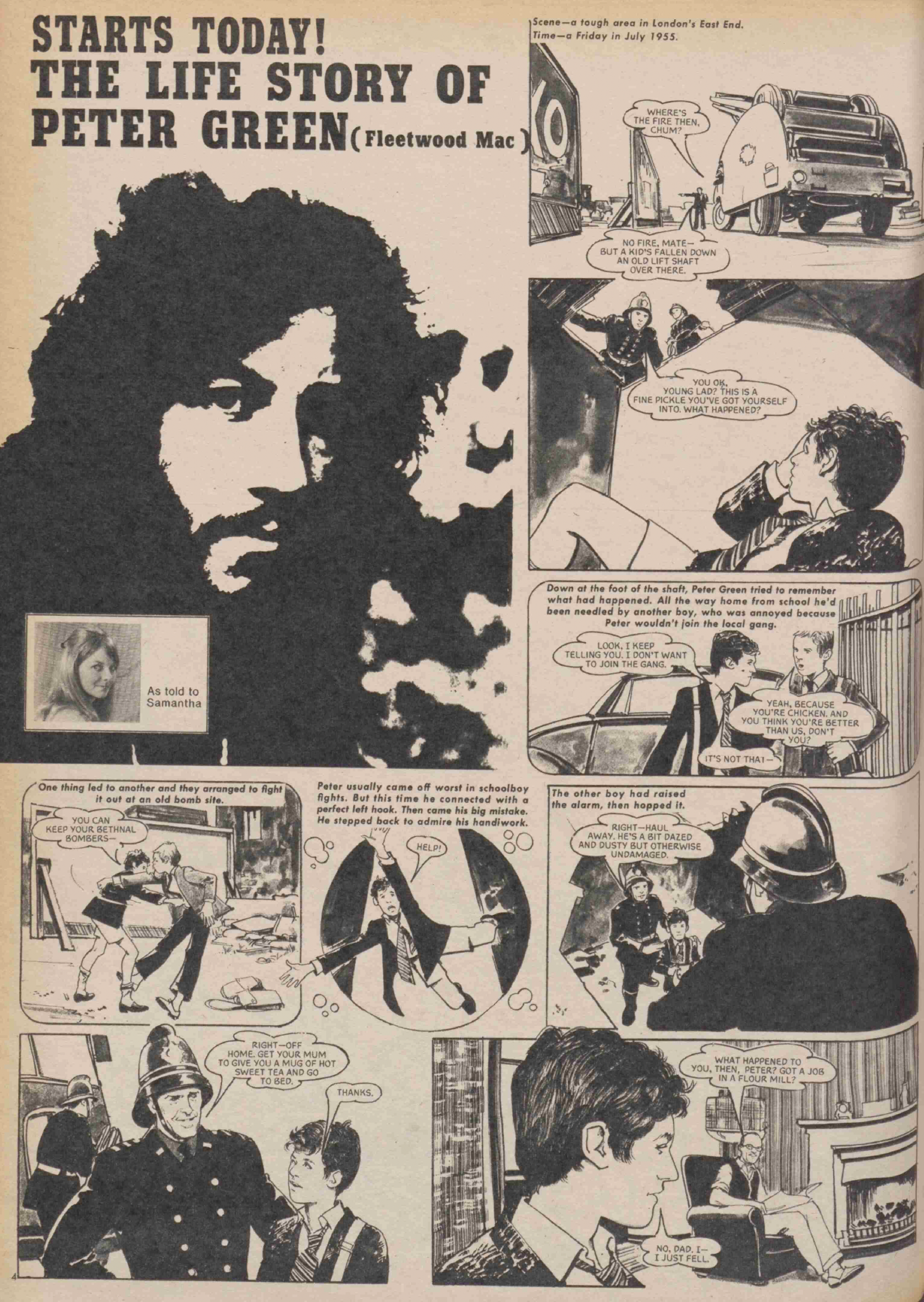
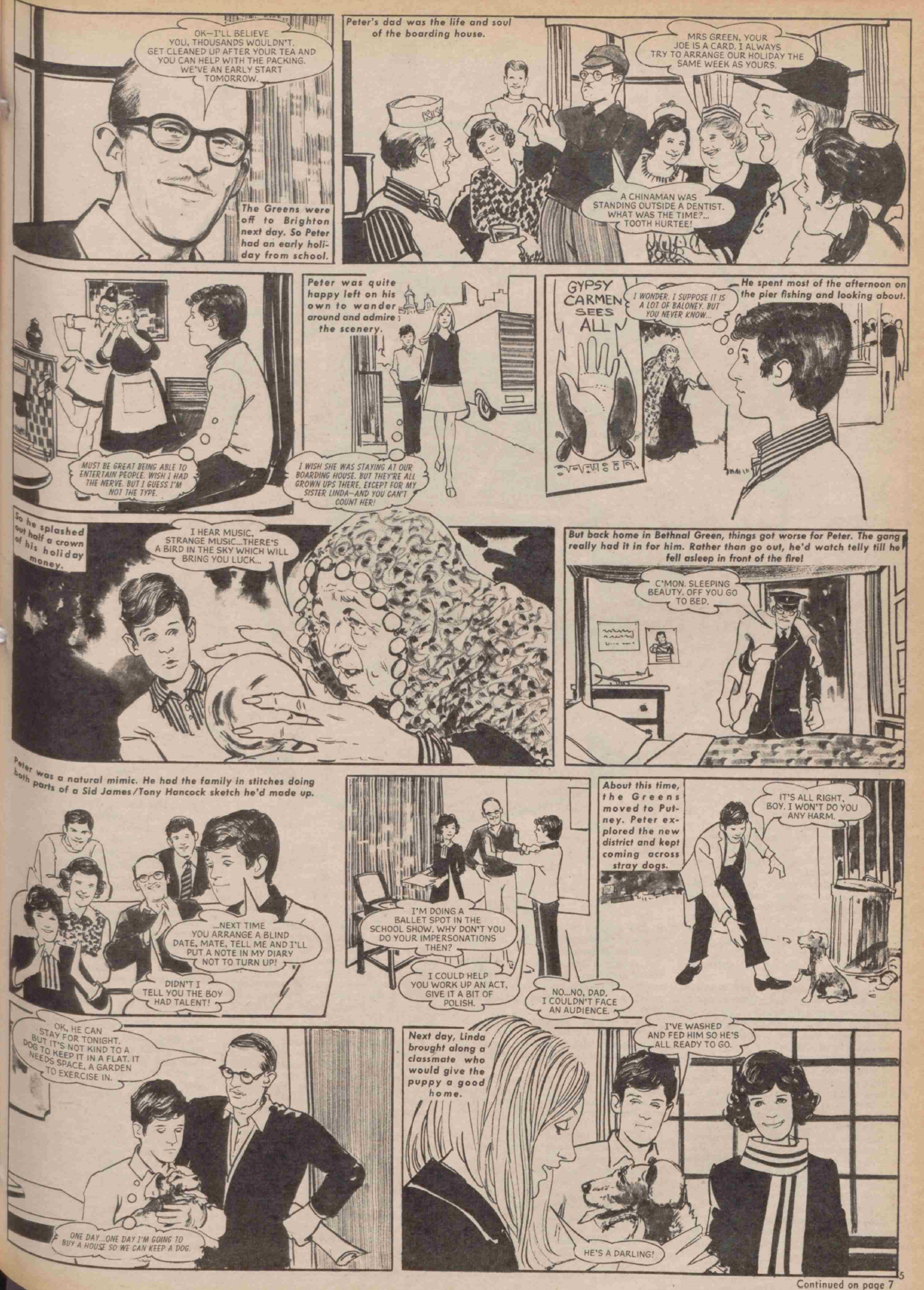
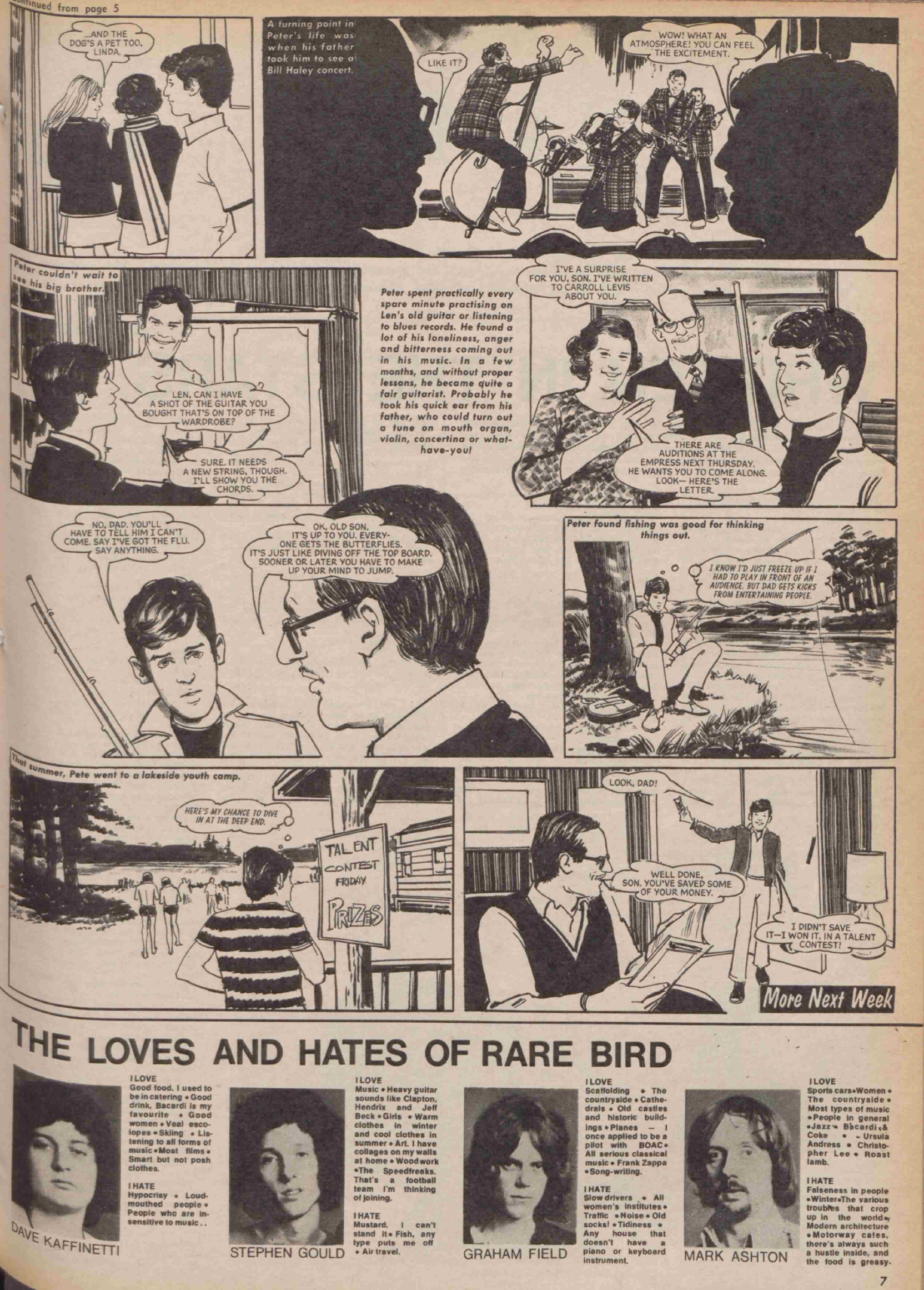
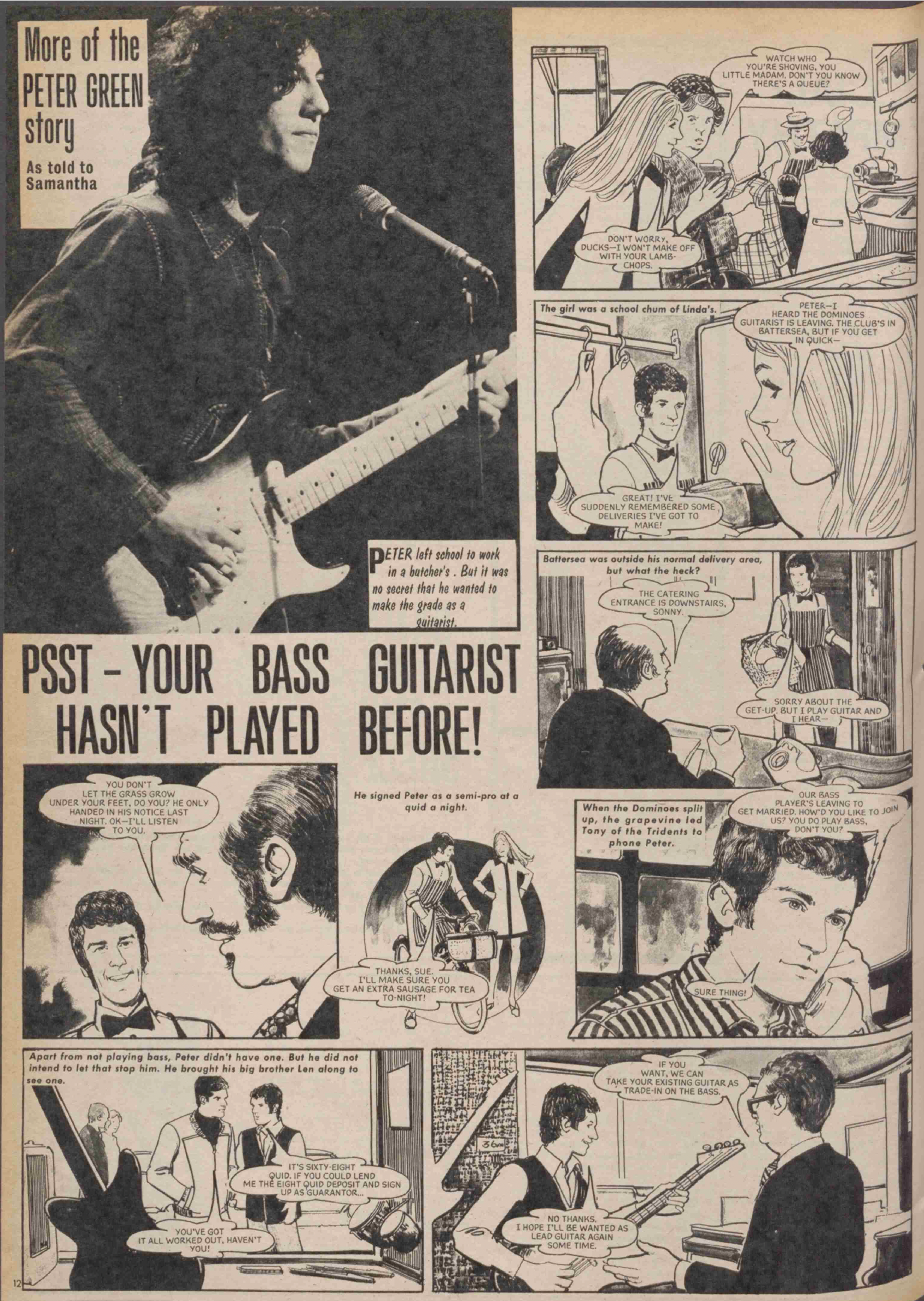
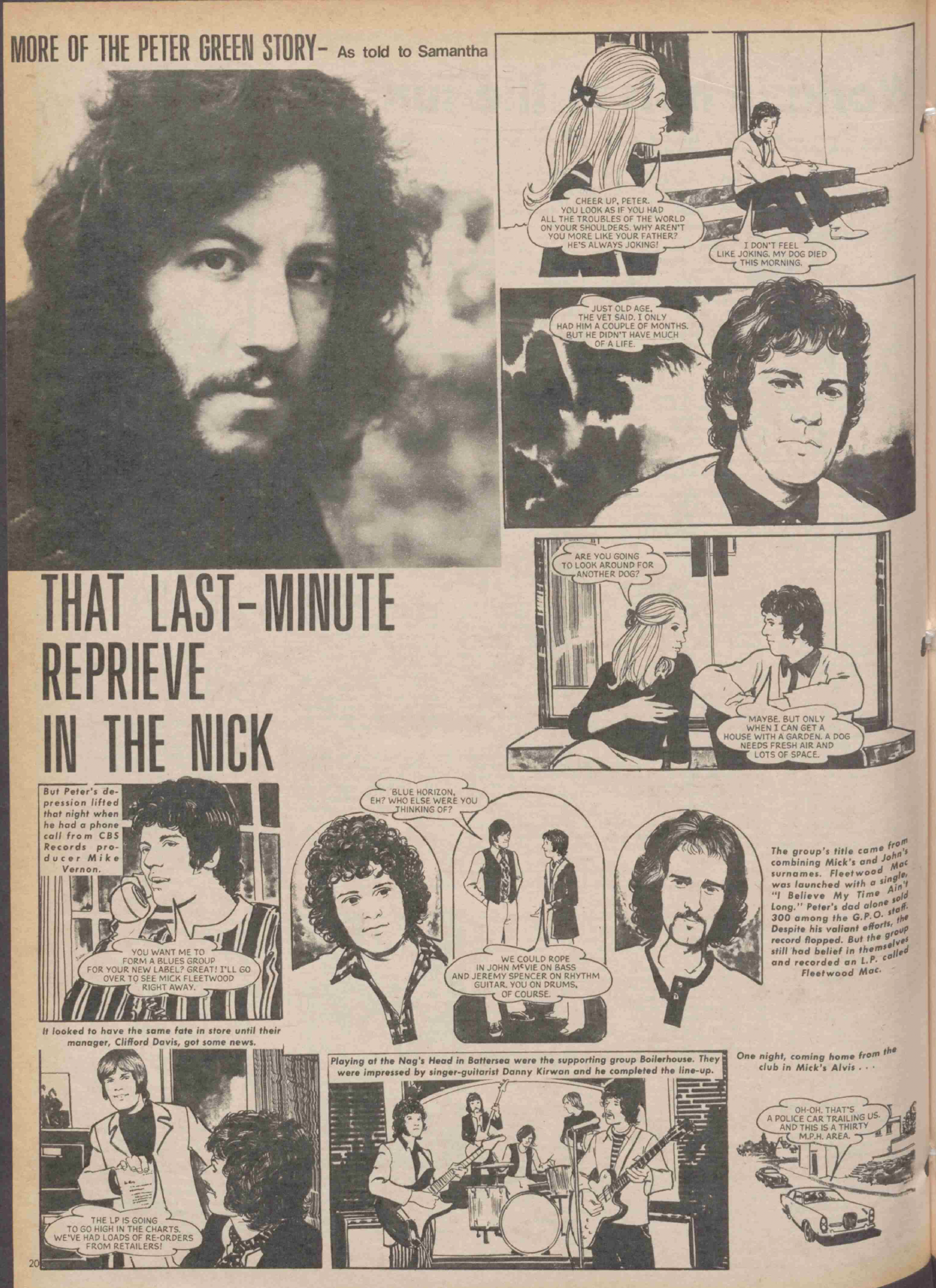
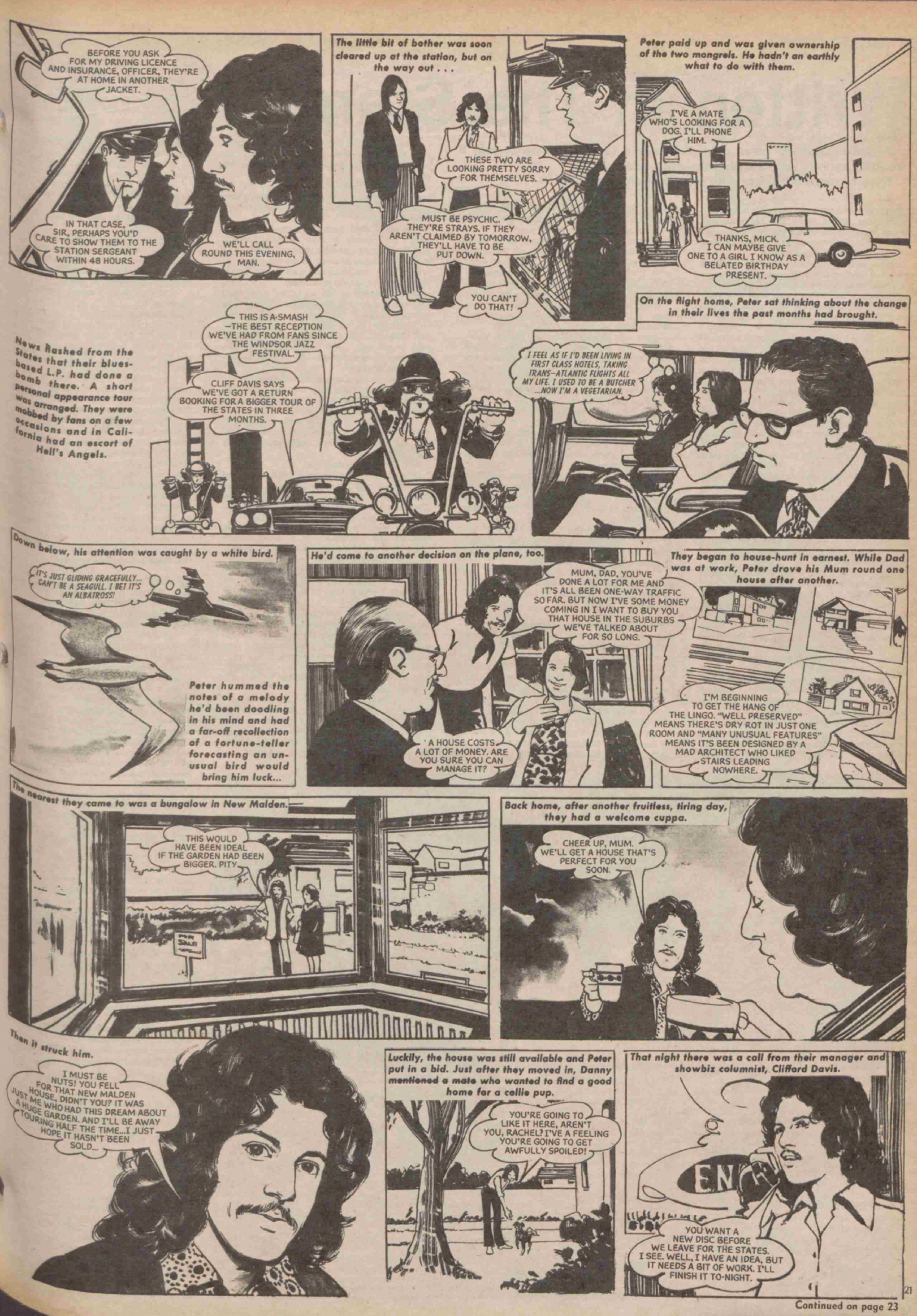
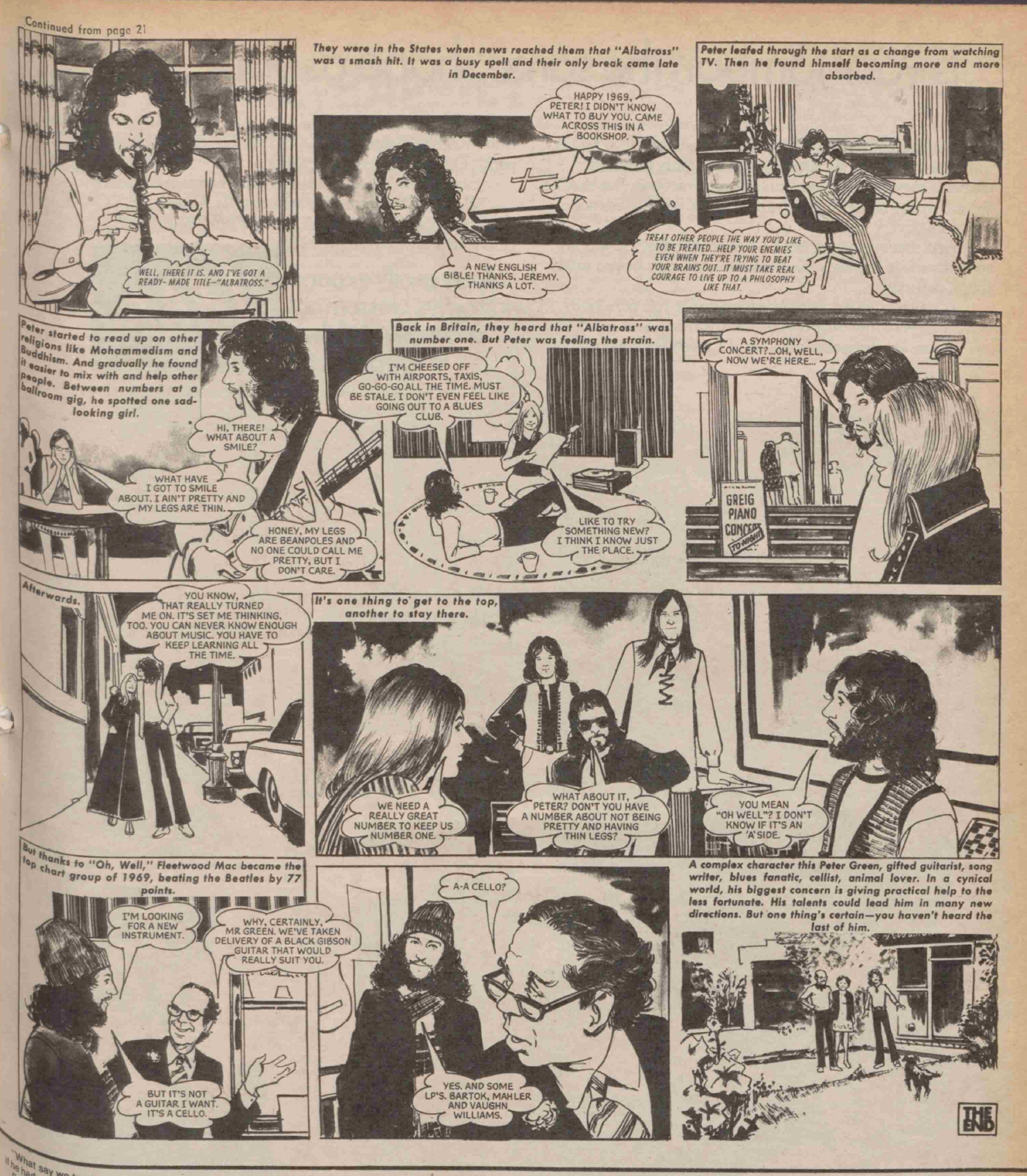
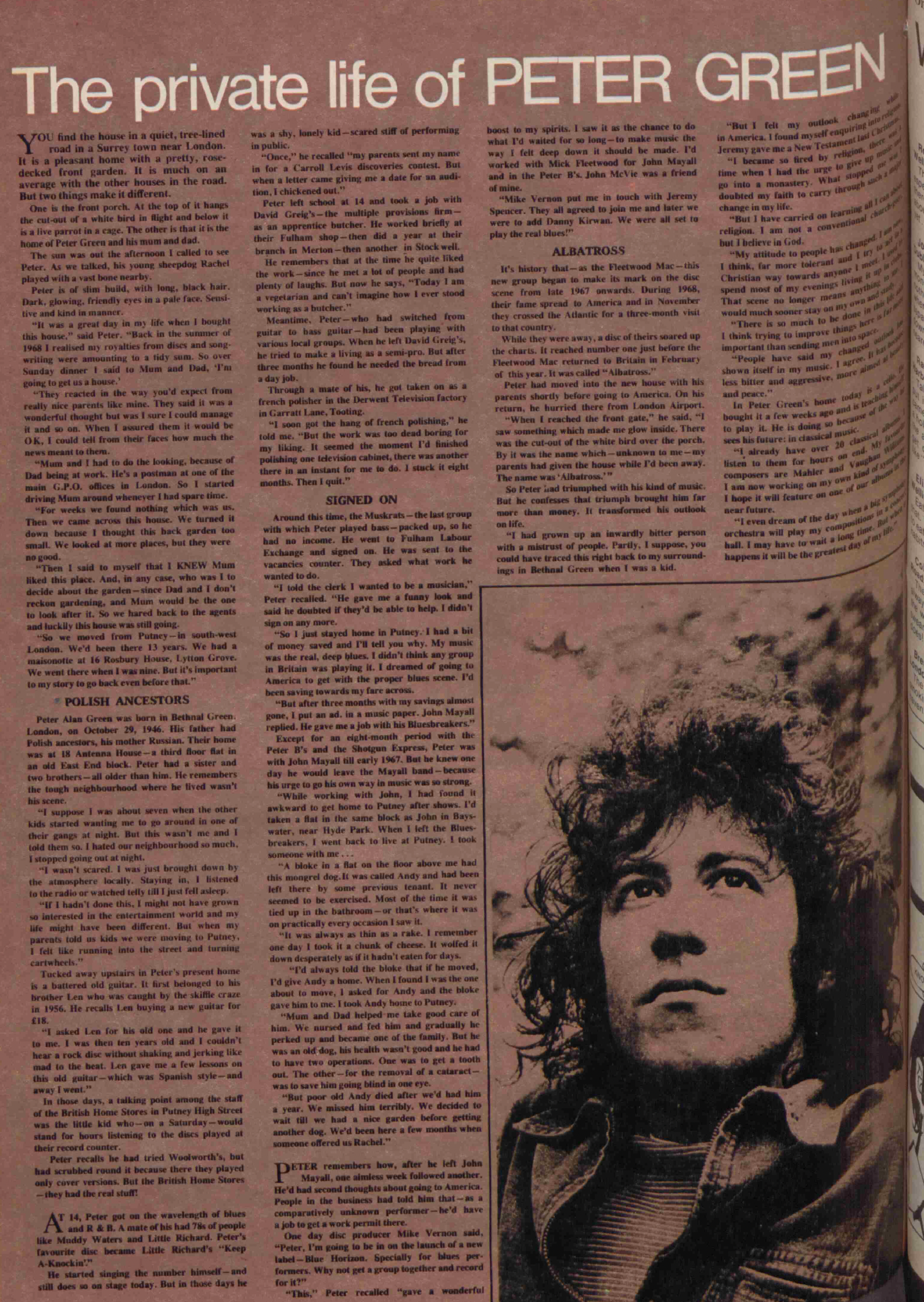
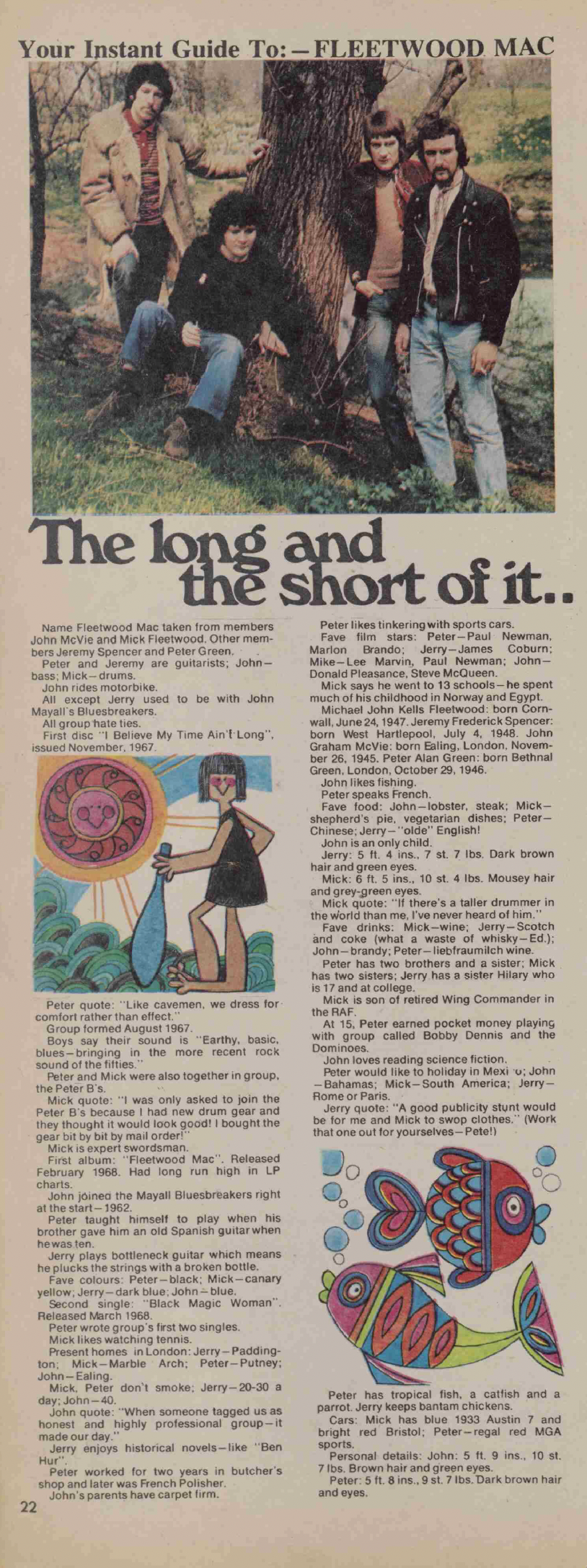
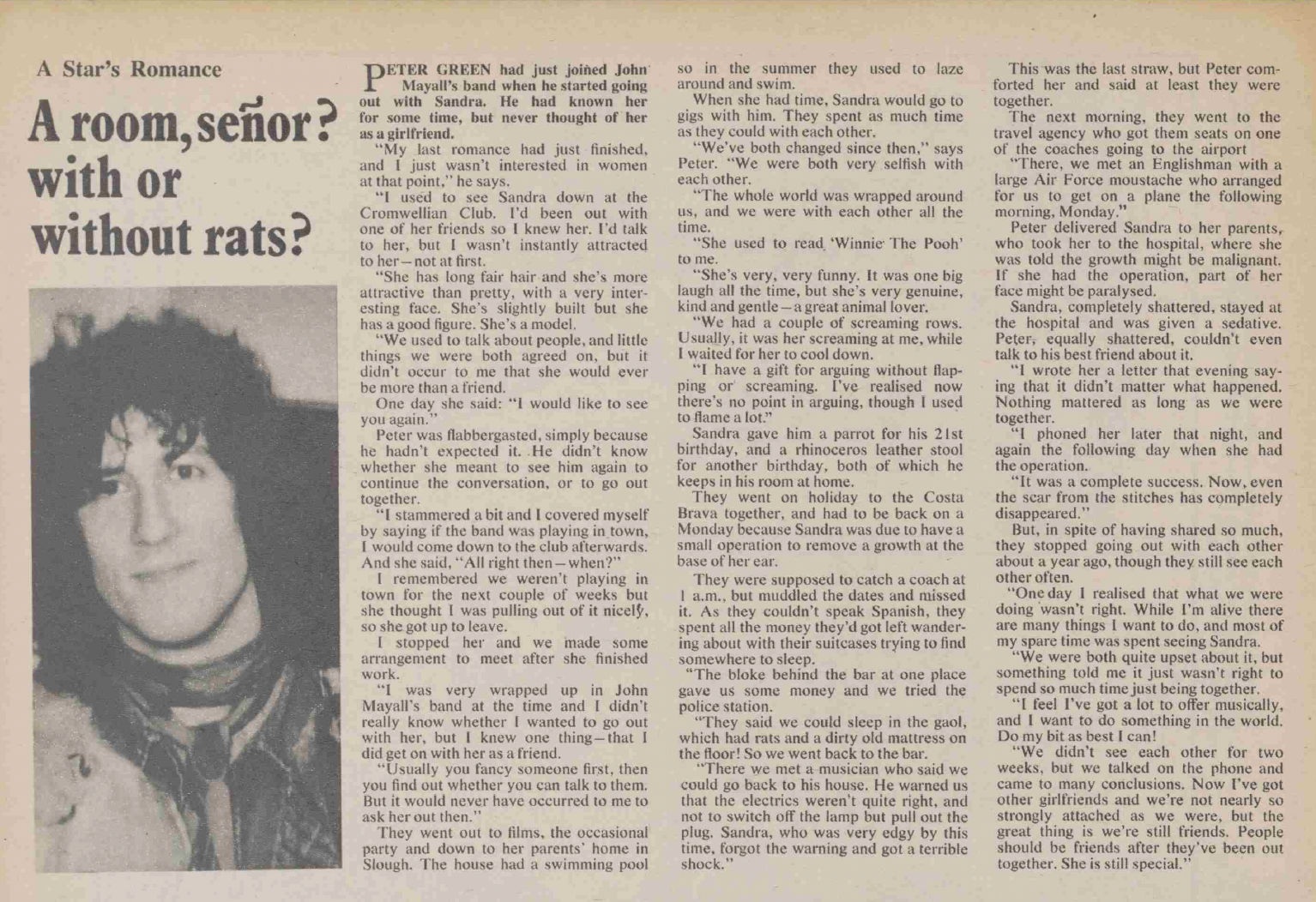
The Private Life of Peter Green as told to Jackie

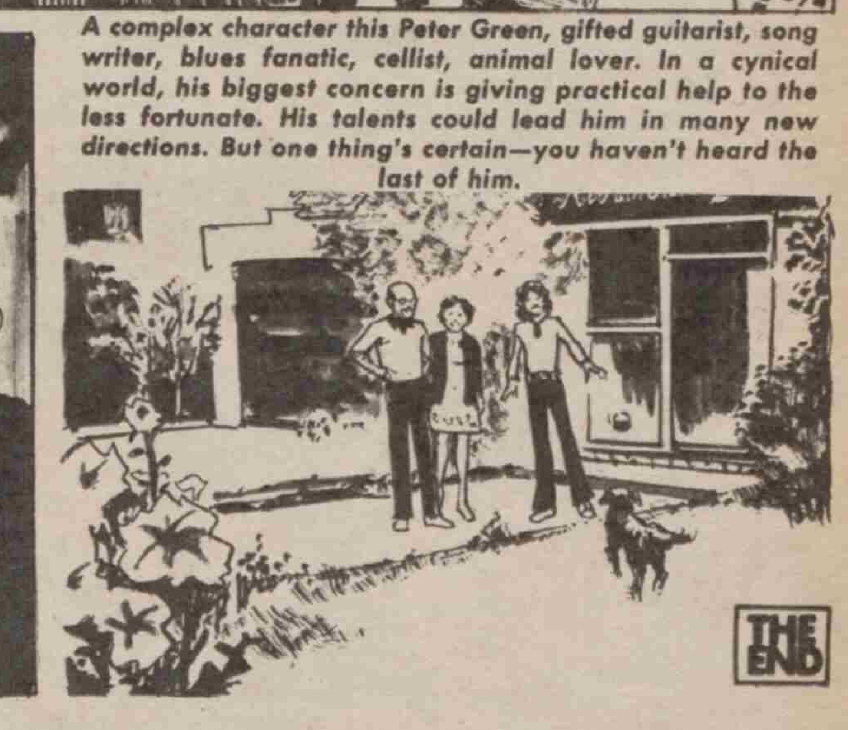
Between April – May 1970, the teenage girls magazine Jackie carried a serialised comic strip of the life of Peter Green. It’s a telling attempt to navigate the shift in popular music from second to third generation rock, for both teen mags and their subjects.

Romance, boy meets girl, is marginalised in Green’s story, suppressed by the tale of a sensitive young man’s desire to find his own way through life.

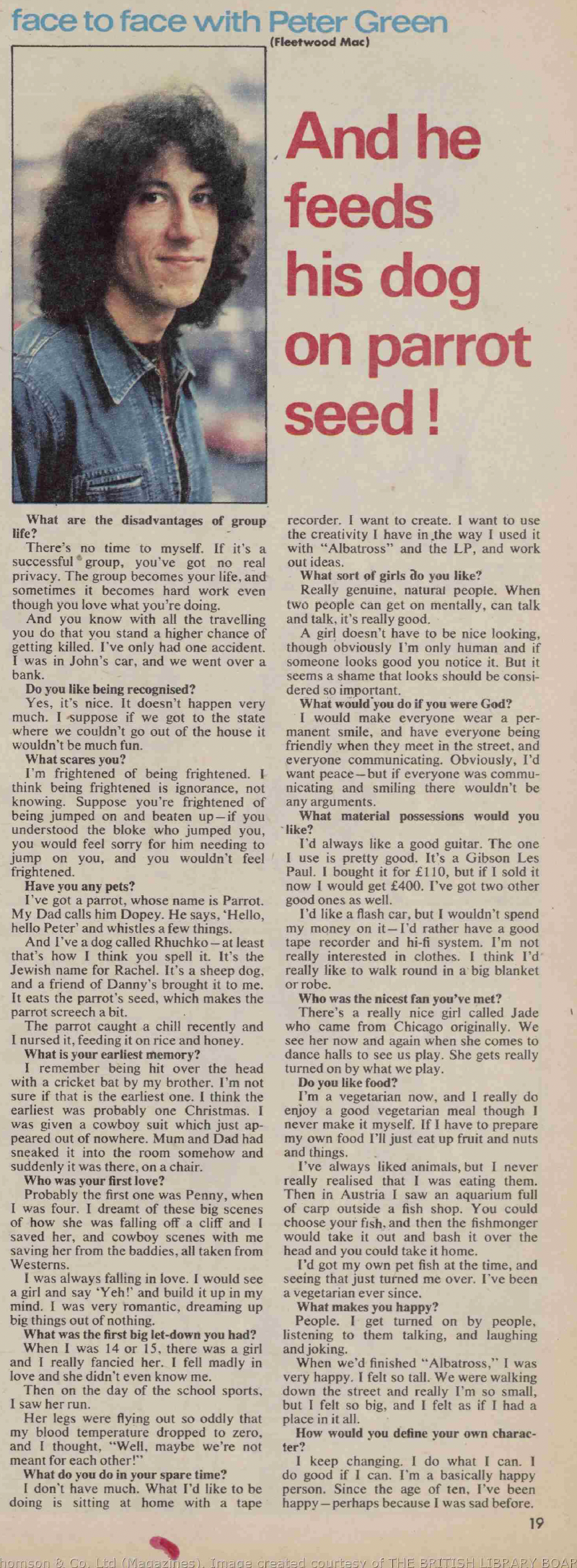
The basic storyline had been earlier outlined in a November 1969 for a profile by Samantha, which highlighted his love of dogs and the suburban home he’d bought for his parents.

Green and Fleetwood Mac are unlikely subjects for a comic strip, way too ugly, unkempt and far too serious about their music. Nevertheless, since the band’s formation, Jackie had featured them on a number of occasions – their hit singles demanded inclusion.

You can see the shift from second to third generation in how the magazine moved from asking ‘what sort of girls do you fancy?’ to seemingly less frivolous concerns. When the comic strip ends, Green is buying a cello, classical LPs and is planning to write a symphony . . . The world of pop would never be the same again.
Oh well, and who in 1970 knew that Peter Green played bass in the the Tridents? Samantha did . . .
Jackie, November 8 1969

June 15 1968

May 17 1969

July 26 1969