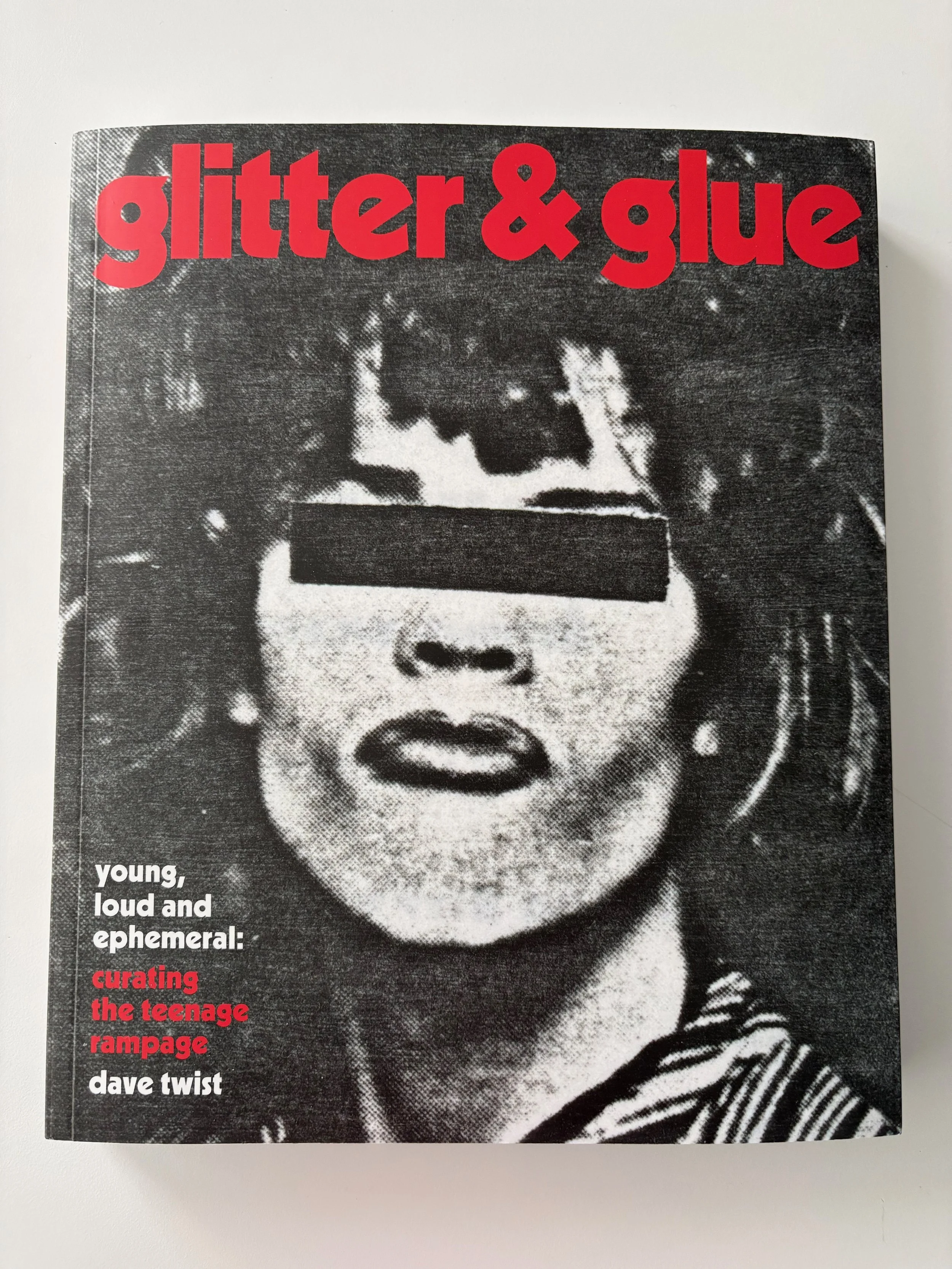
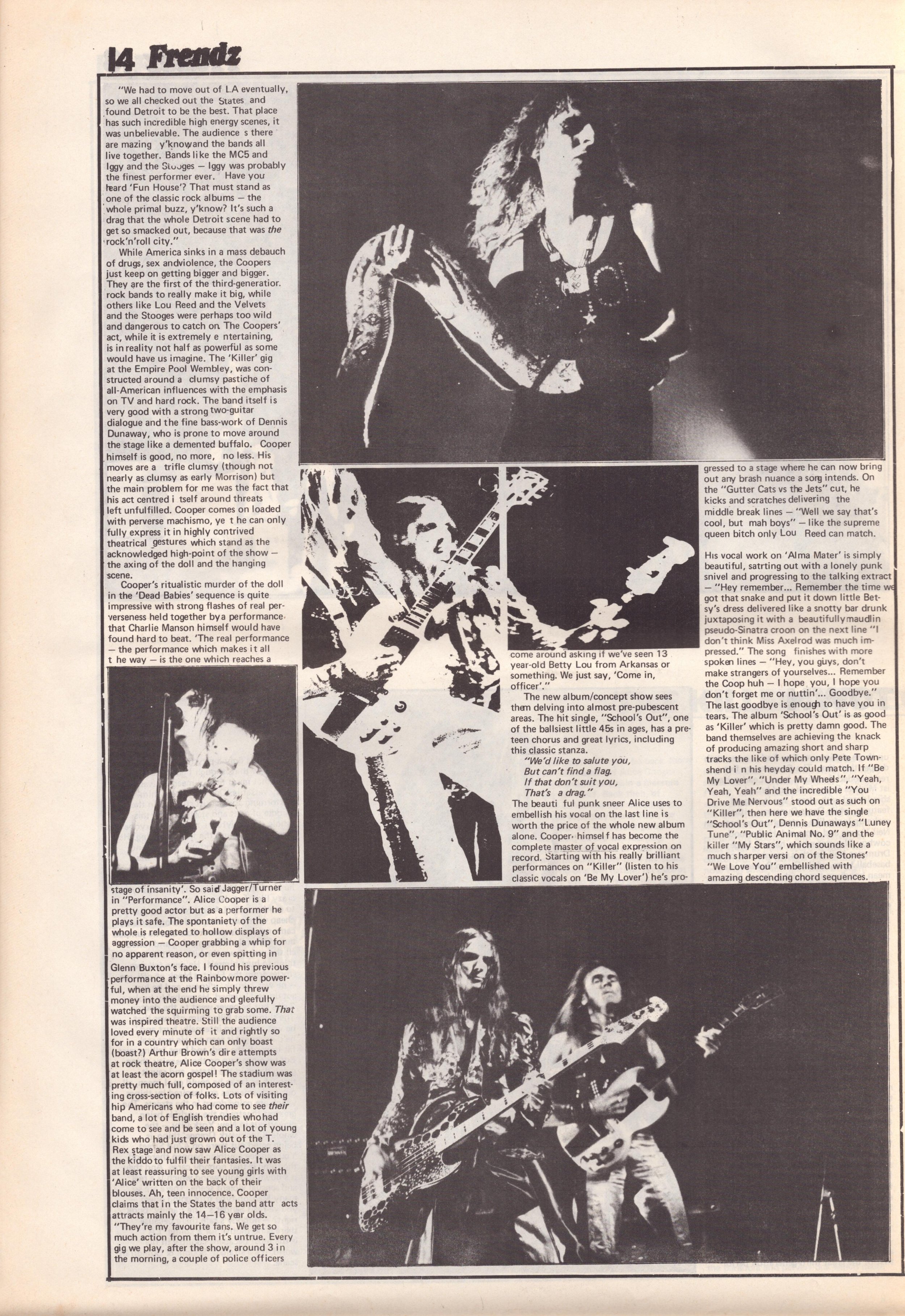
A tome, not a tomb, filled with relics, revenants, remnants first acquired in the hot fleeting minutes of teen fandom and then added to and curated in the cool age of later years. It’s an extraordinary assemblage that Dave Twist first amassed for himself and then shared on his ever wonderful Instagram page [HERE].
When the platform messed with his layout grids he went back to a print culture, which is how these images are best consumed. We should be thankful to Meta (and for not much else) that Dave turned away from the screen and back to paper and paste
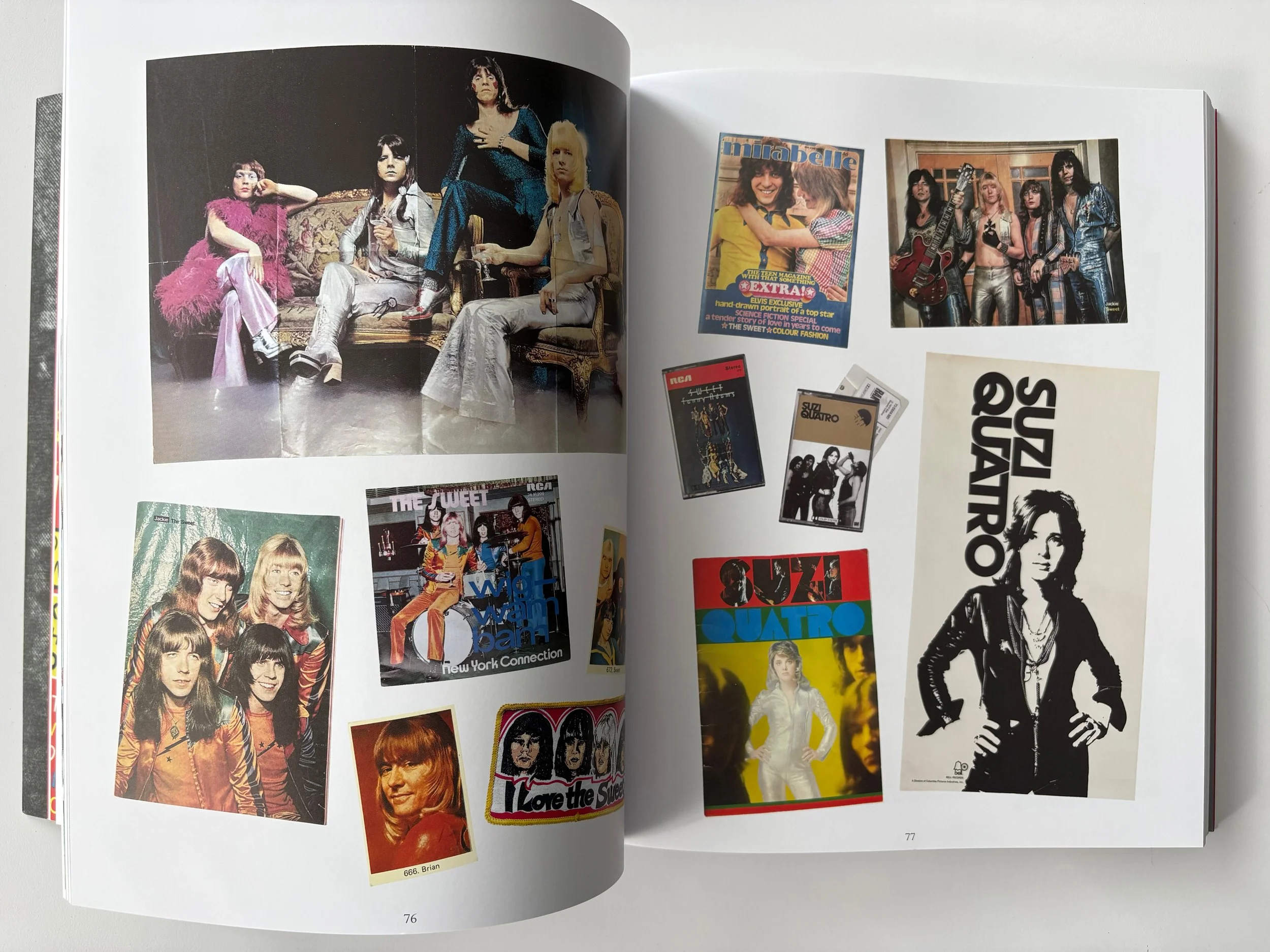
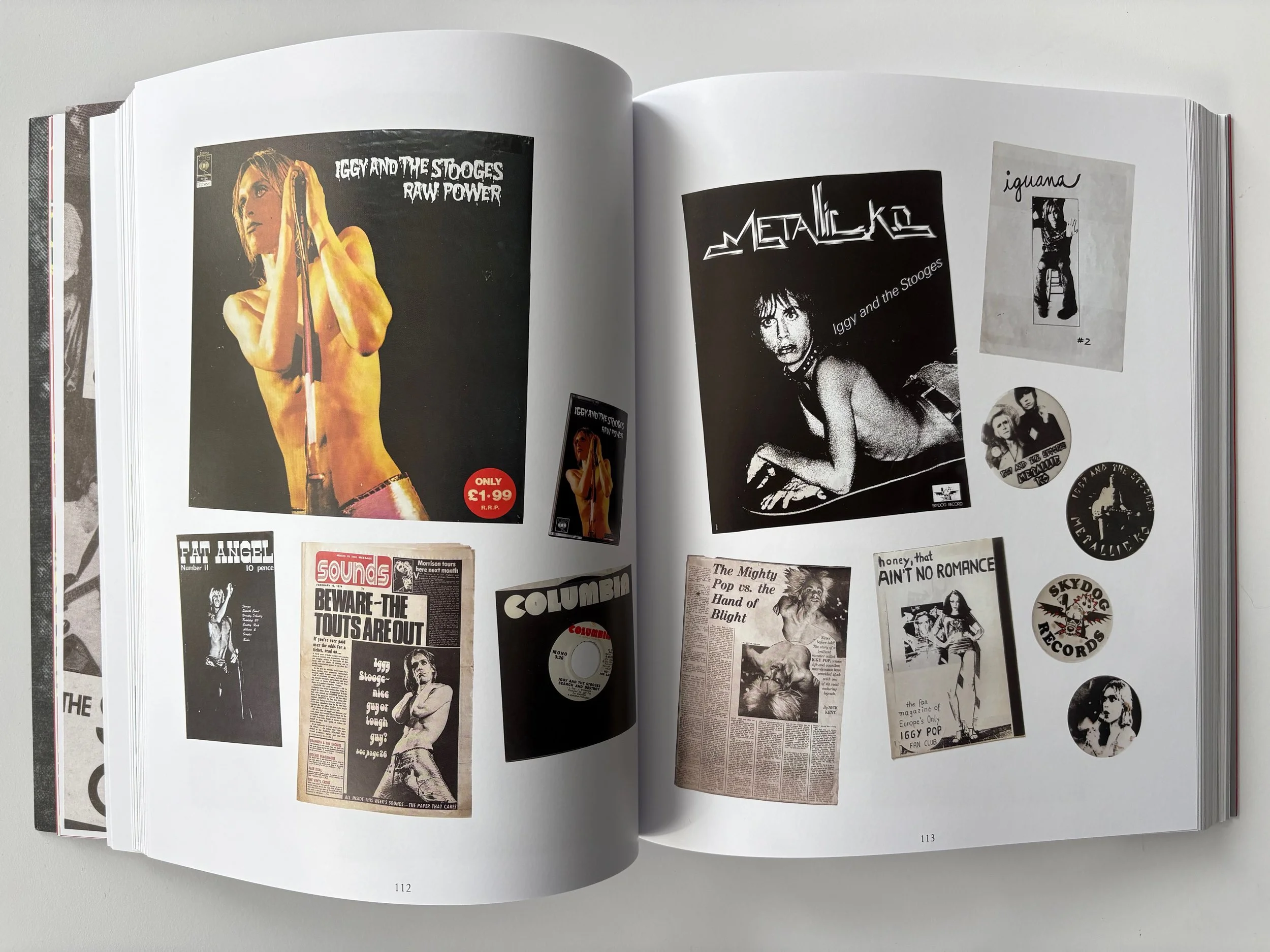
Others might have a larger collection of third-generation rock n’ roll ephemera than Dave Twist, but I doubt they could pull it together to tell quite such an aesthetically compelling story. Tumbling out of the plan chest, portfolio, attic and basement, Dave Twist puts his heart and soul on open display in Glitter and Glue, a gallery of splendid delights.
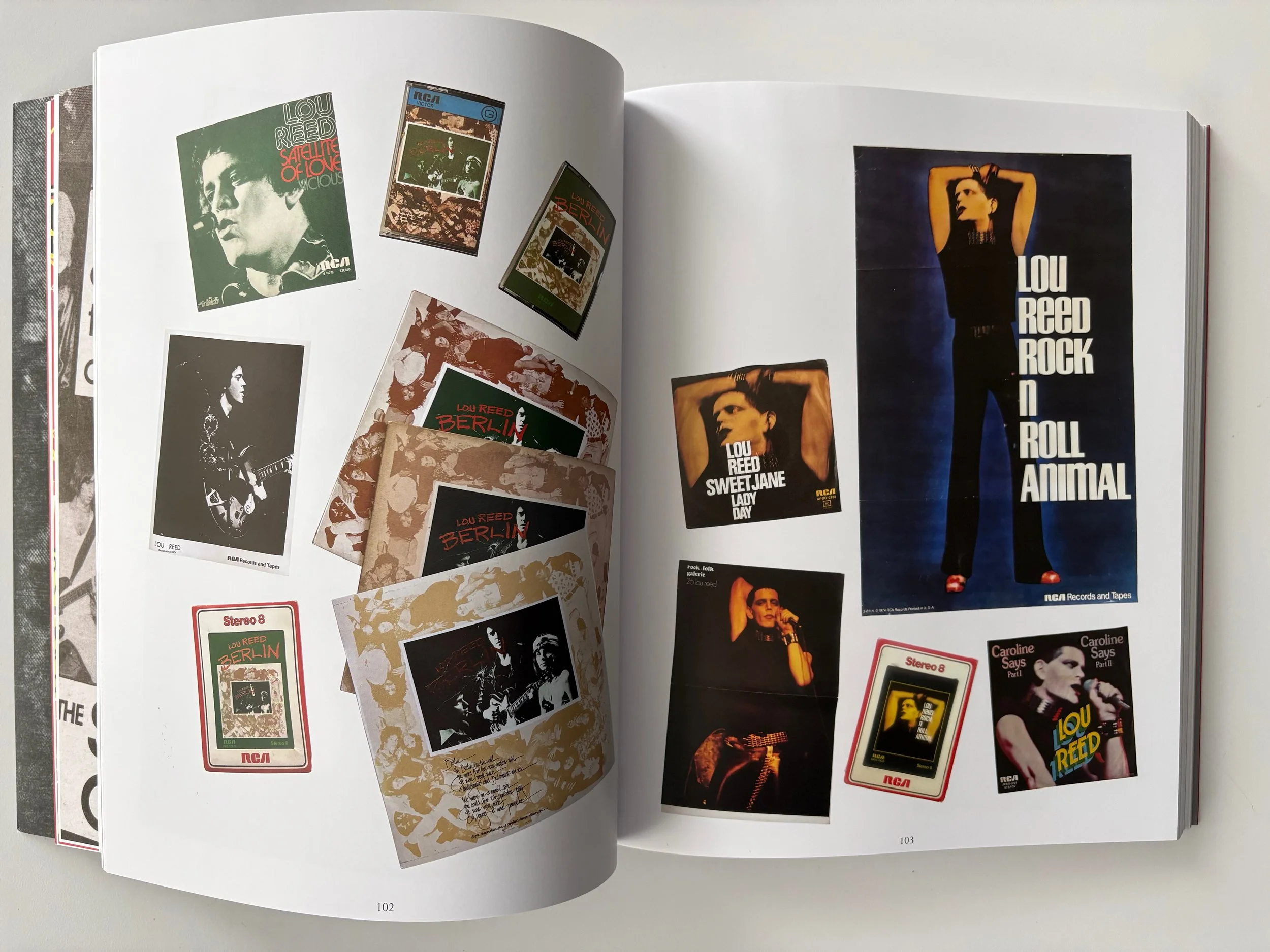
The book acts like a tripwire that causes you to fall over memories of things owned, lost, gifted and stolen. Surprisingly, nostalgia doesn’t feel part of the equation. What pours out is rather a sense of awe at the sheer creative achievements of musicians, designers and everyone else involved in the glorious conspiracy to attract the eye of the ever fickle teenage consumer.
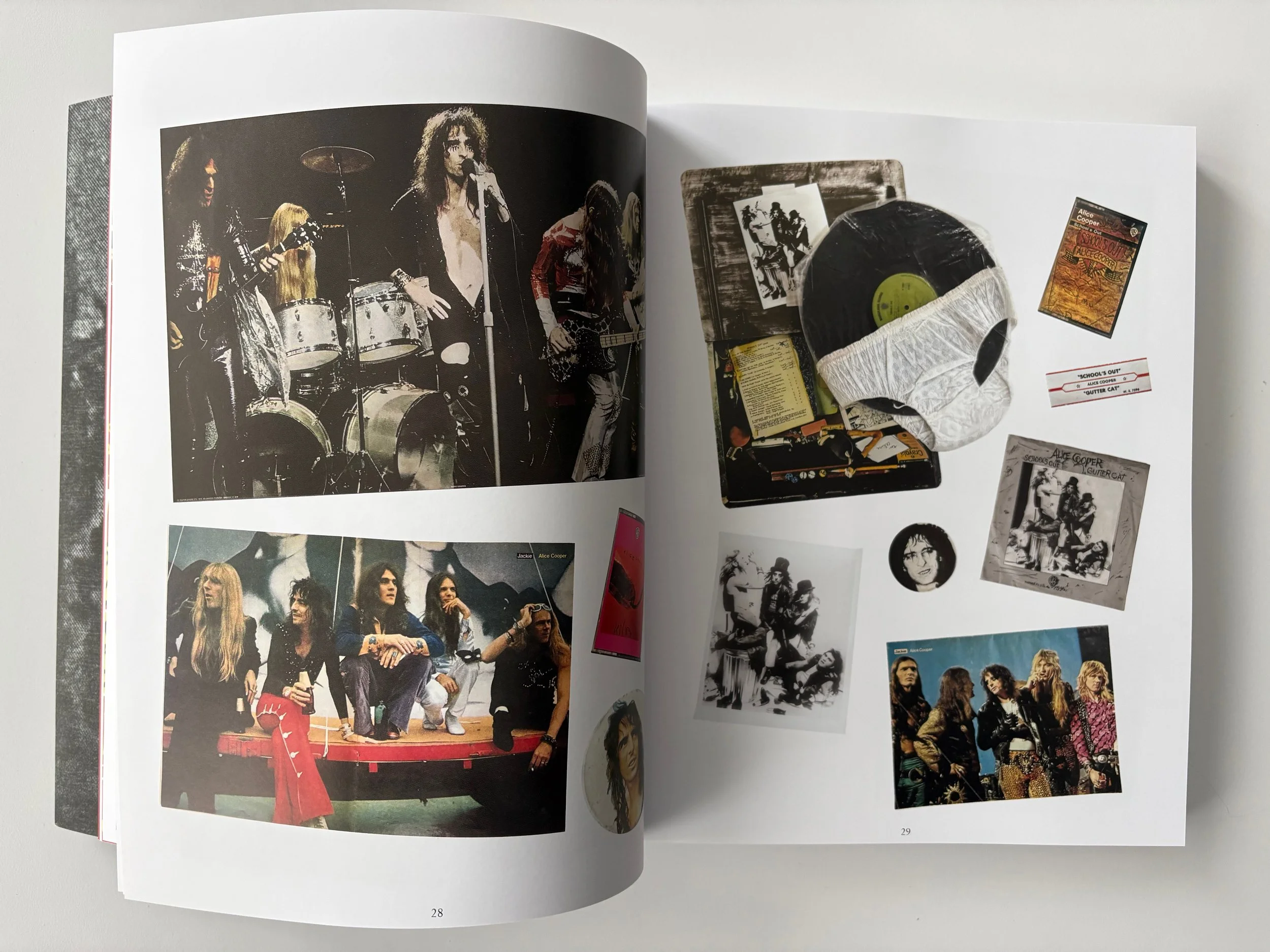
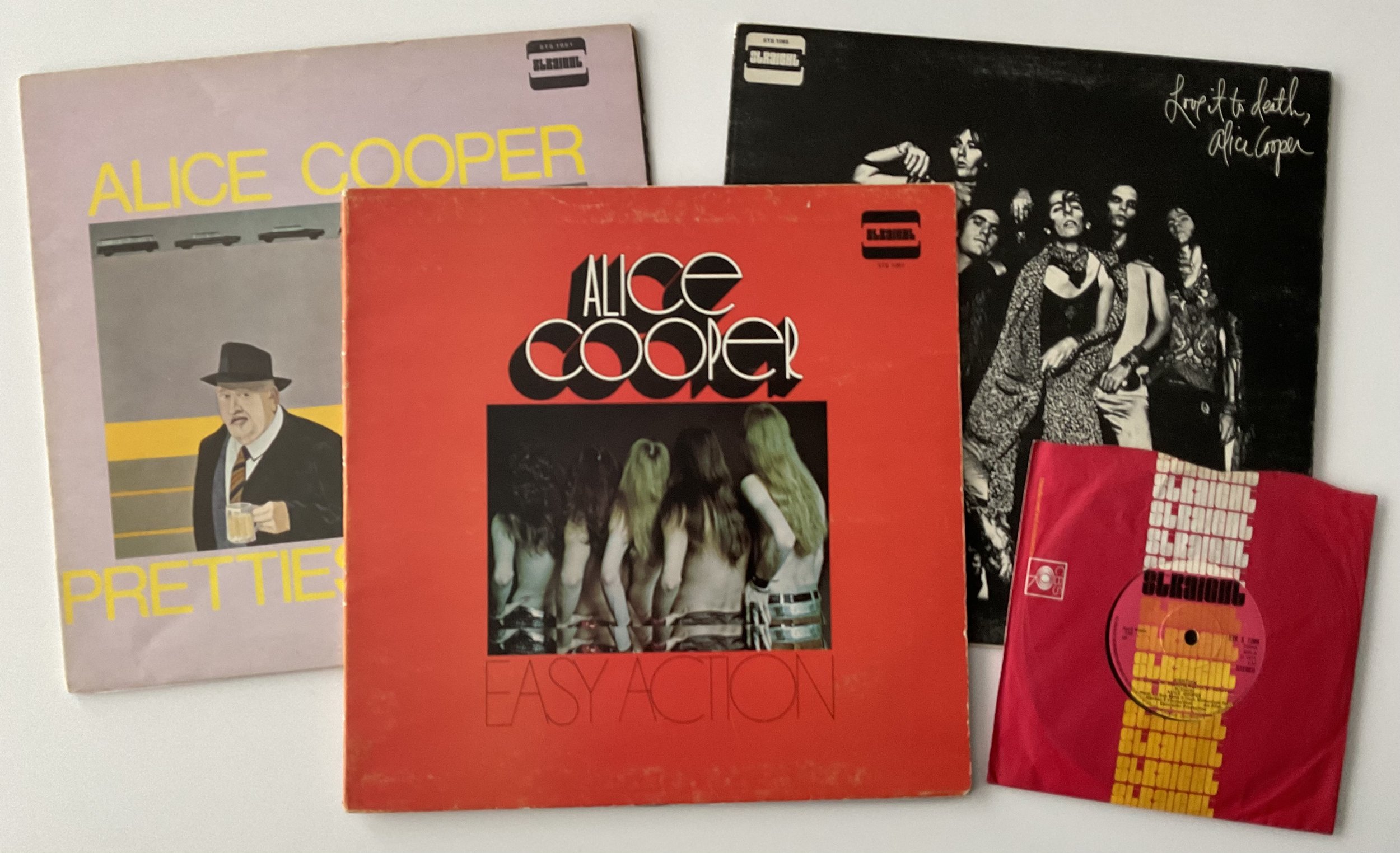
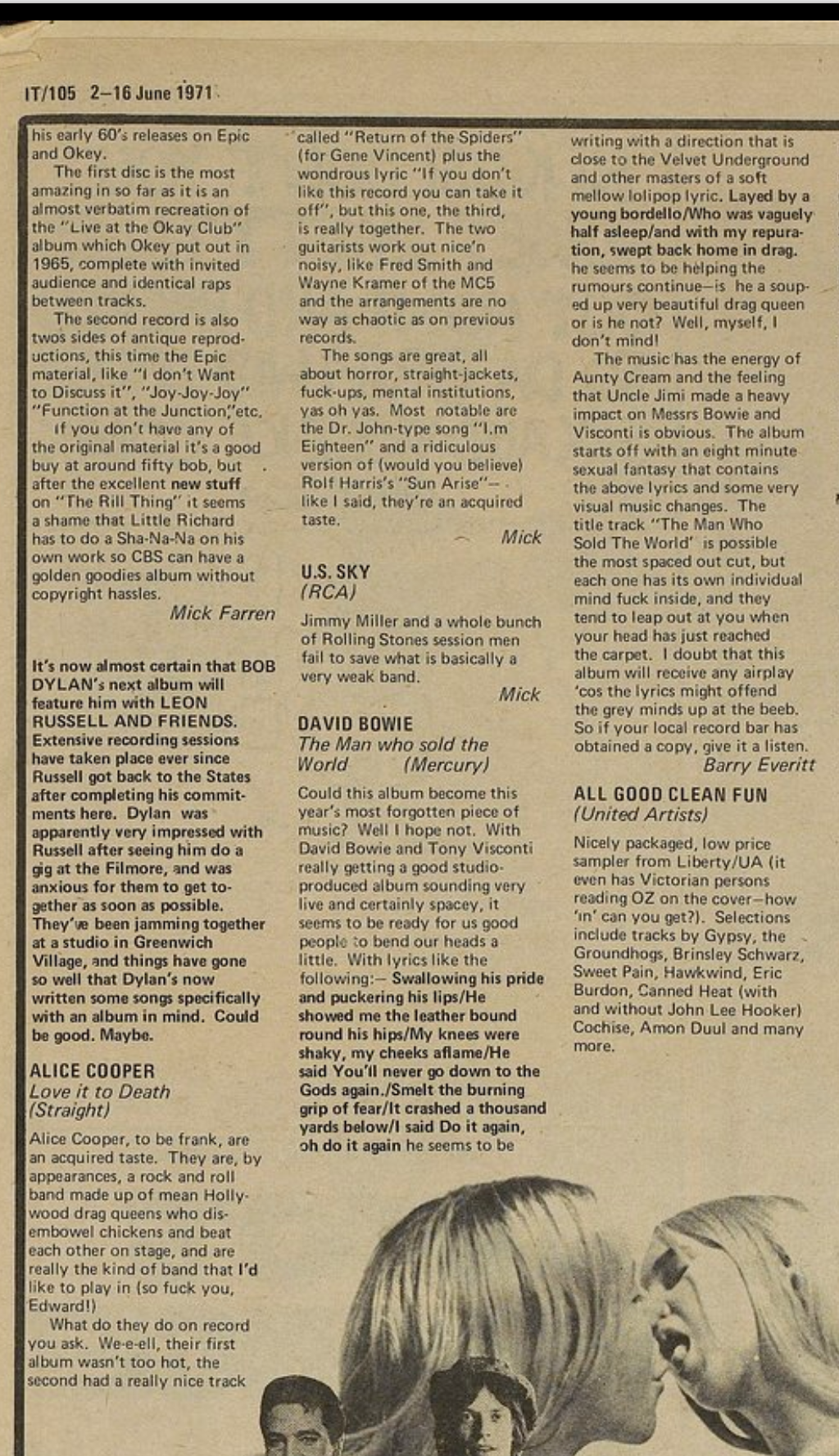
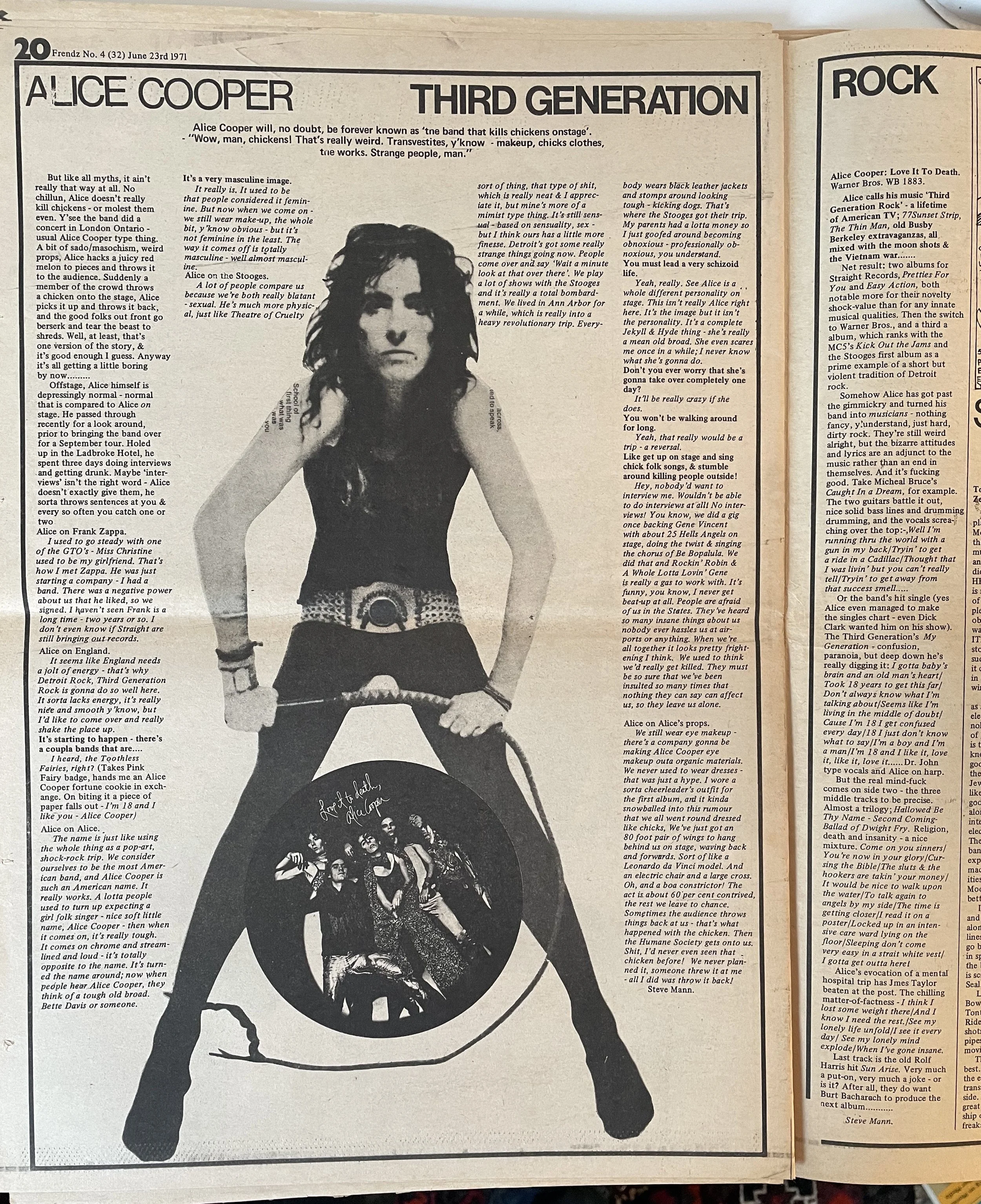
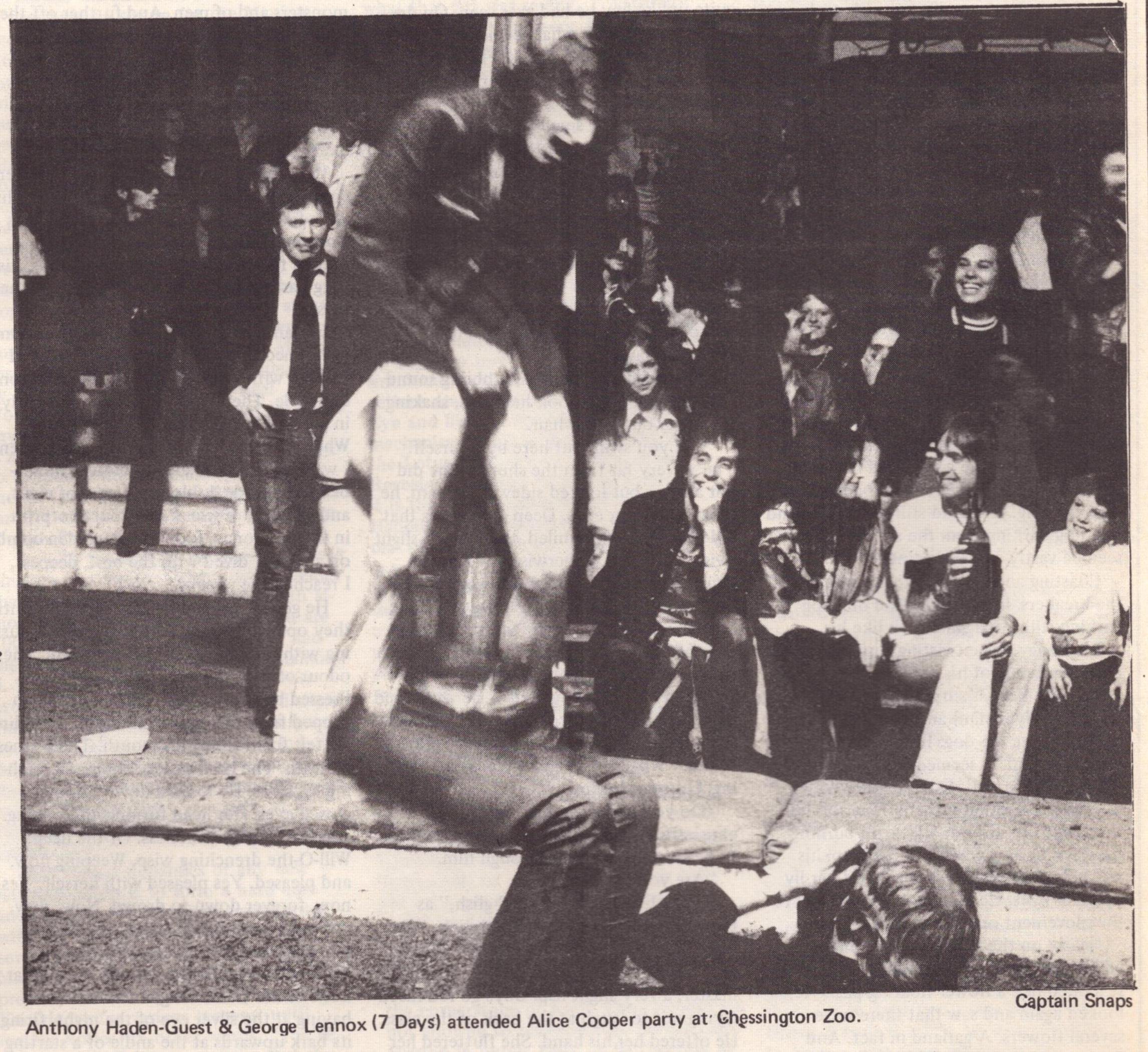
So much of the memorabilia of the prepunk era, Alice, Roxy, Slade, SAHB, I just let go, but as I moved out of my teens I held fast to records bought on the day of release, the Pistols, Damned and Clash and all the post-Dr. Feelgood bands I still love, the Count Bishops, 101’ers, Gorillas, Eddie and the Hot Rods, Lew Lewis. They are still with me and still played. Meanwhile, I’ve restocked the lost records from 1972–76 and added those I could not then afford or had no awareness of, the Streak, the Jook and all the rest. But when I flick through this book it is Alice Cooper that has me pause the longest. For a hot moment he really was what mattered the most in my fevered teen brain and when you see what Dave Twist has amassed you’ll know why he had that effect.
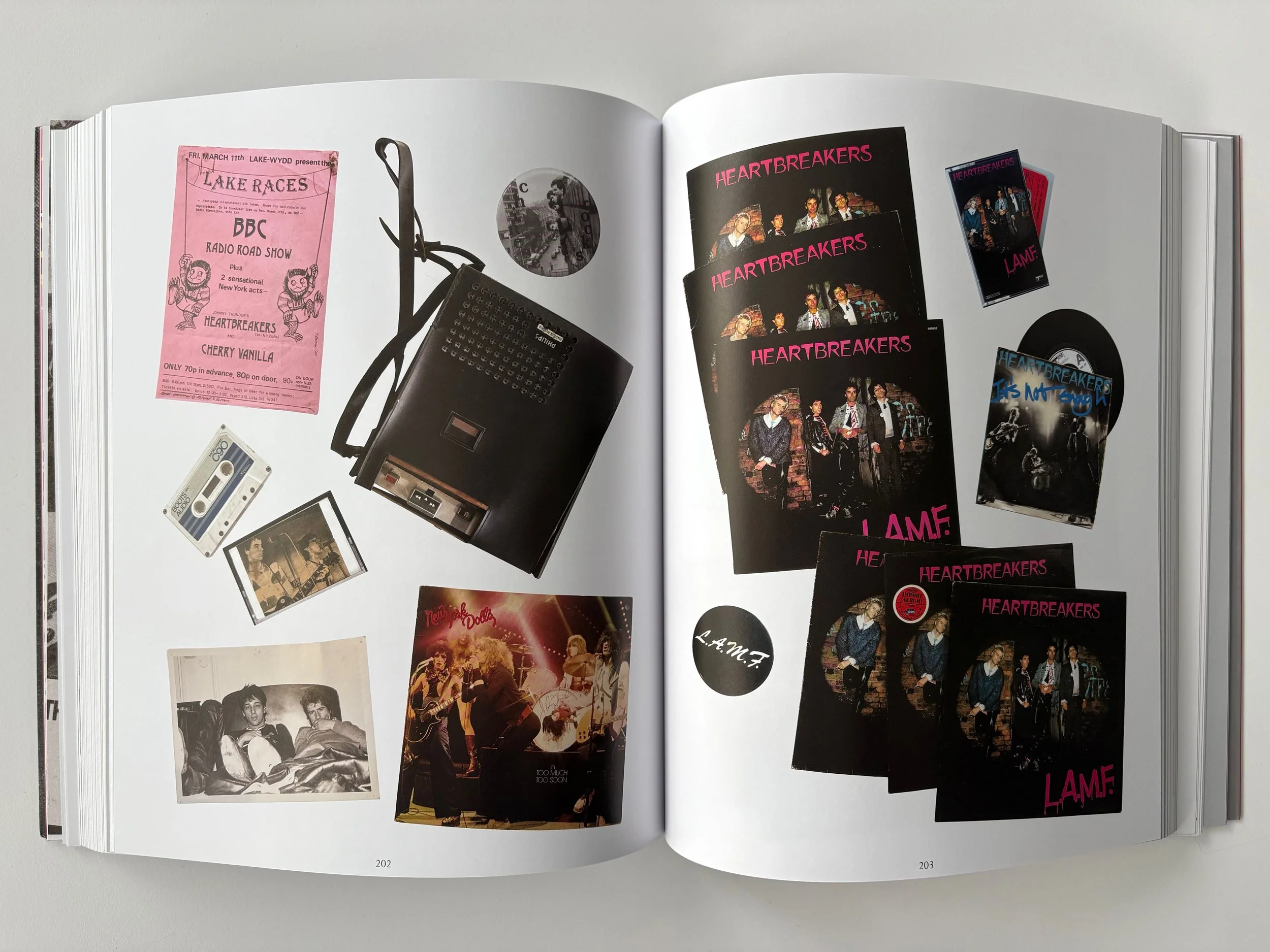
You got to ask how many unique pressings of the Heartbreakers LAMF do you need? Dave has six and I hope the answer he’d give is ‘one more’. A completed collection is a dead collection. What’s on display here is an archive, a map of times past, but one that still connects. Its vitality can’t be ignored or its impact go unrecognised.
This is not a horde to be locked away and guarded but a trove spilling out its treasure for all to admire. Dave Twist gets my vote for curator of the year, what an achievement, what a gift he has given to us.
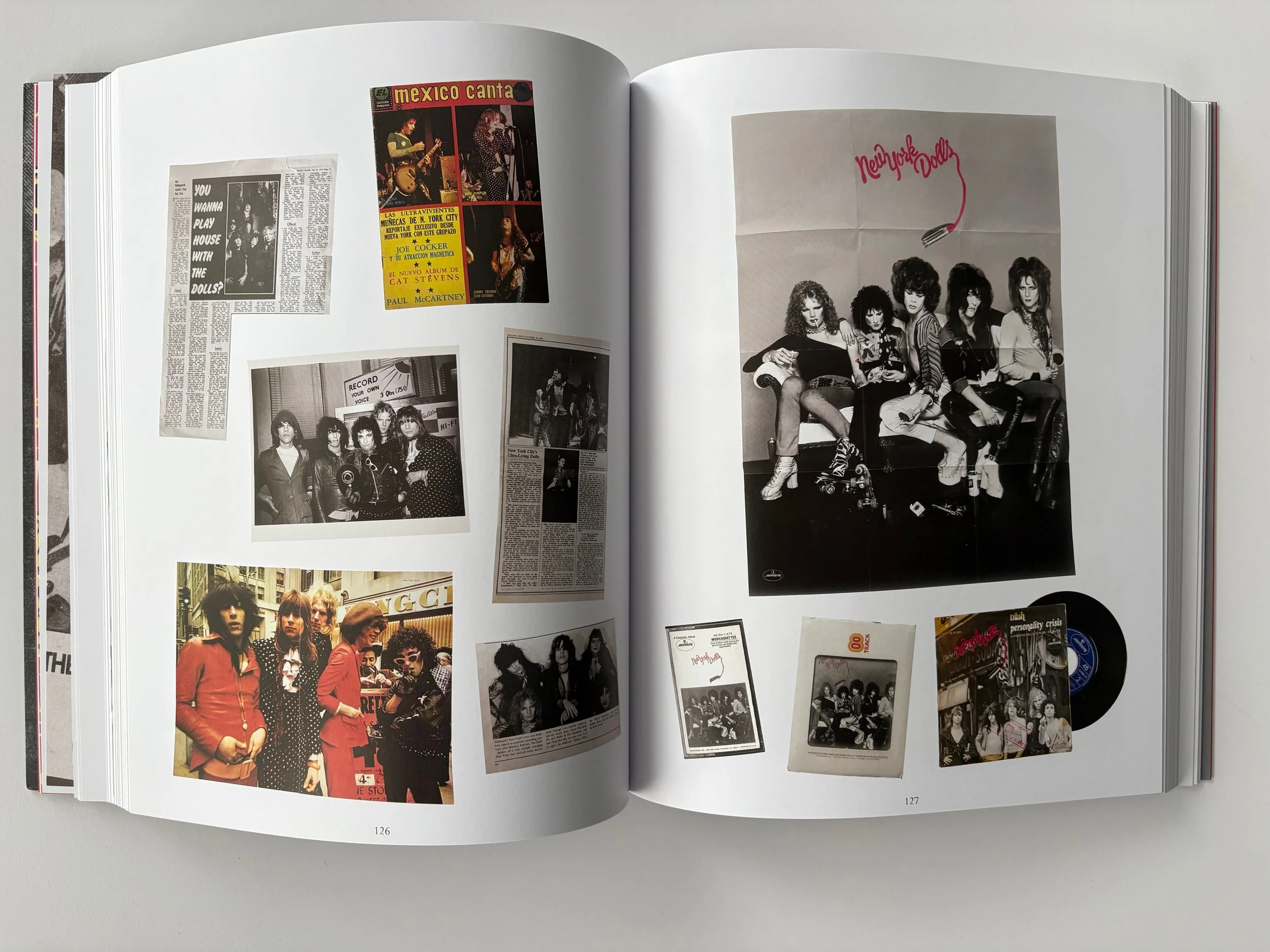
It’s a beautifully produced book and has been printed in very limited numbers so grab one quick [HERE]
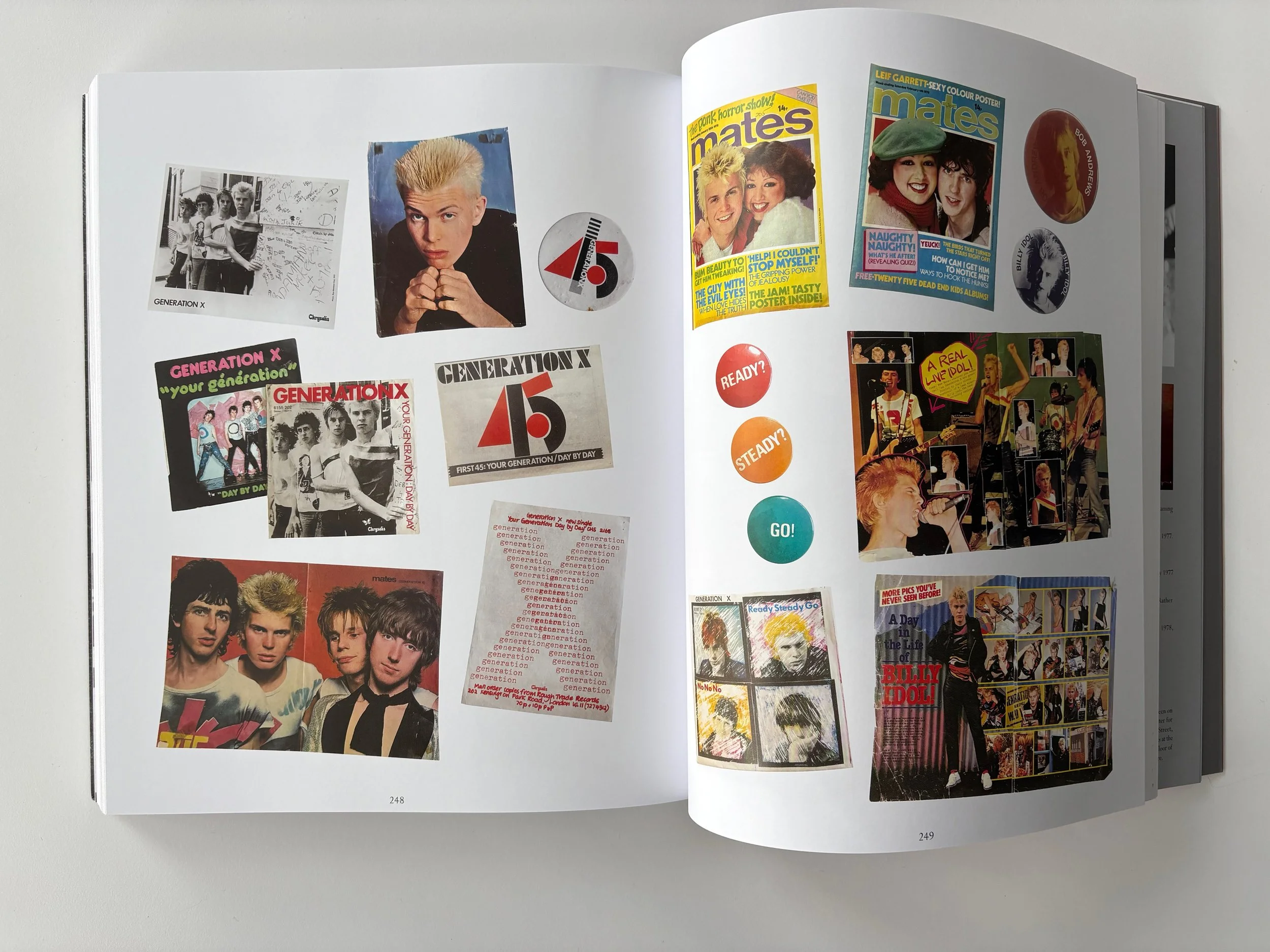
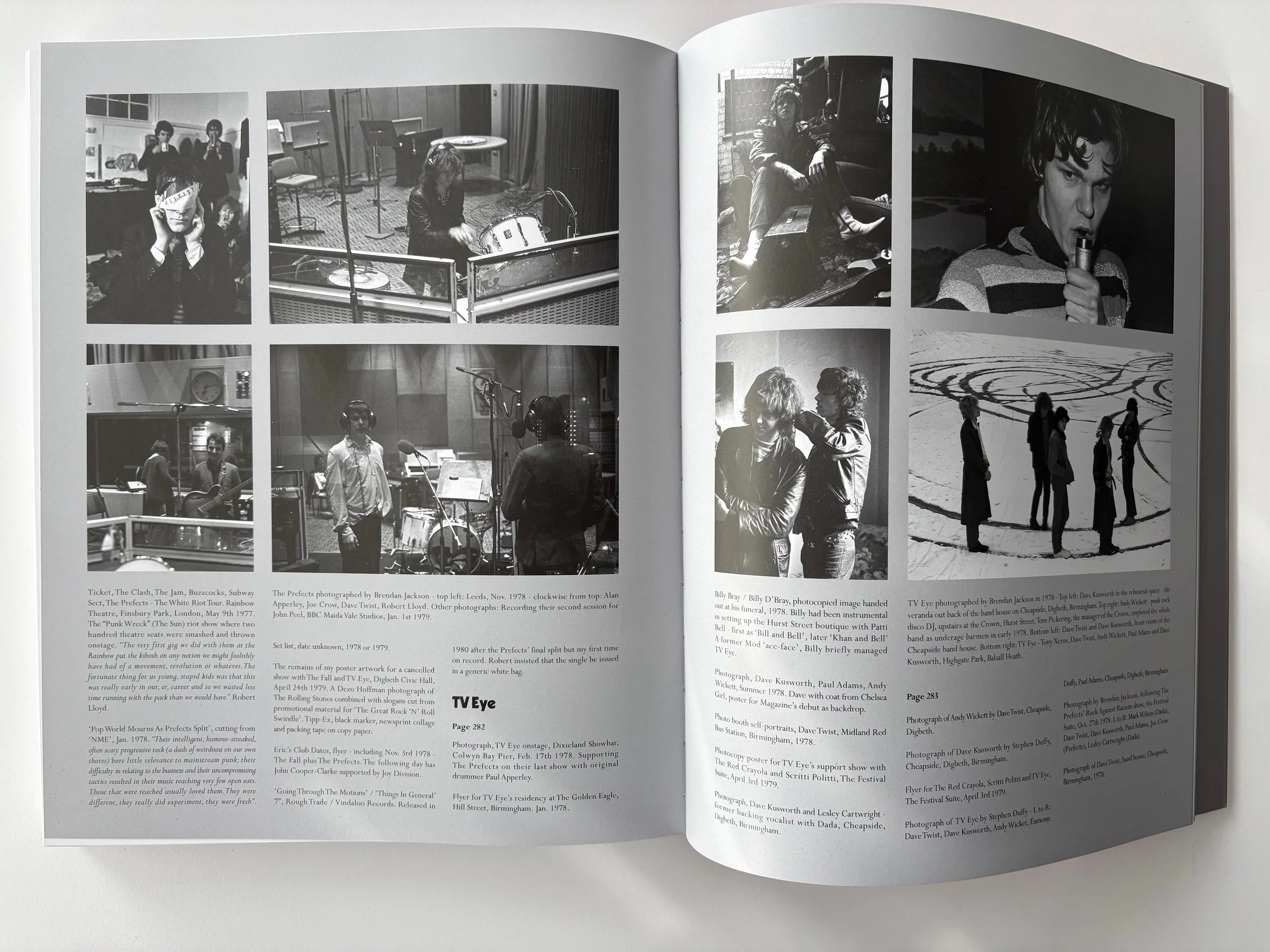








Quisque iaculis facilisis lacinia. Mauris euismod pellentesque tellus sit amet mollis.