At this point in time, the influence of American singer-songwriter Bob Lind on the Yardbirds in 1966 is baffling, his dour, overripe lyrics, faux-folk stylings with orchestral ornamentation are the antithesis of a band that in good part had come to be defined by Beck’s sonic assaults. That Val Doonican had covered the singer’s ‘Elusive Butterfly’ and taken it into the charts in March 1966 should only have confirmed the artist’s mid-brow credentials as the decade’s Rod McKuen.
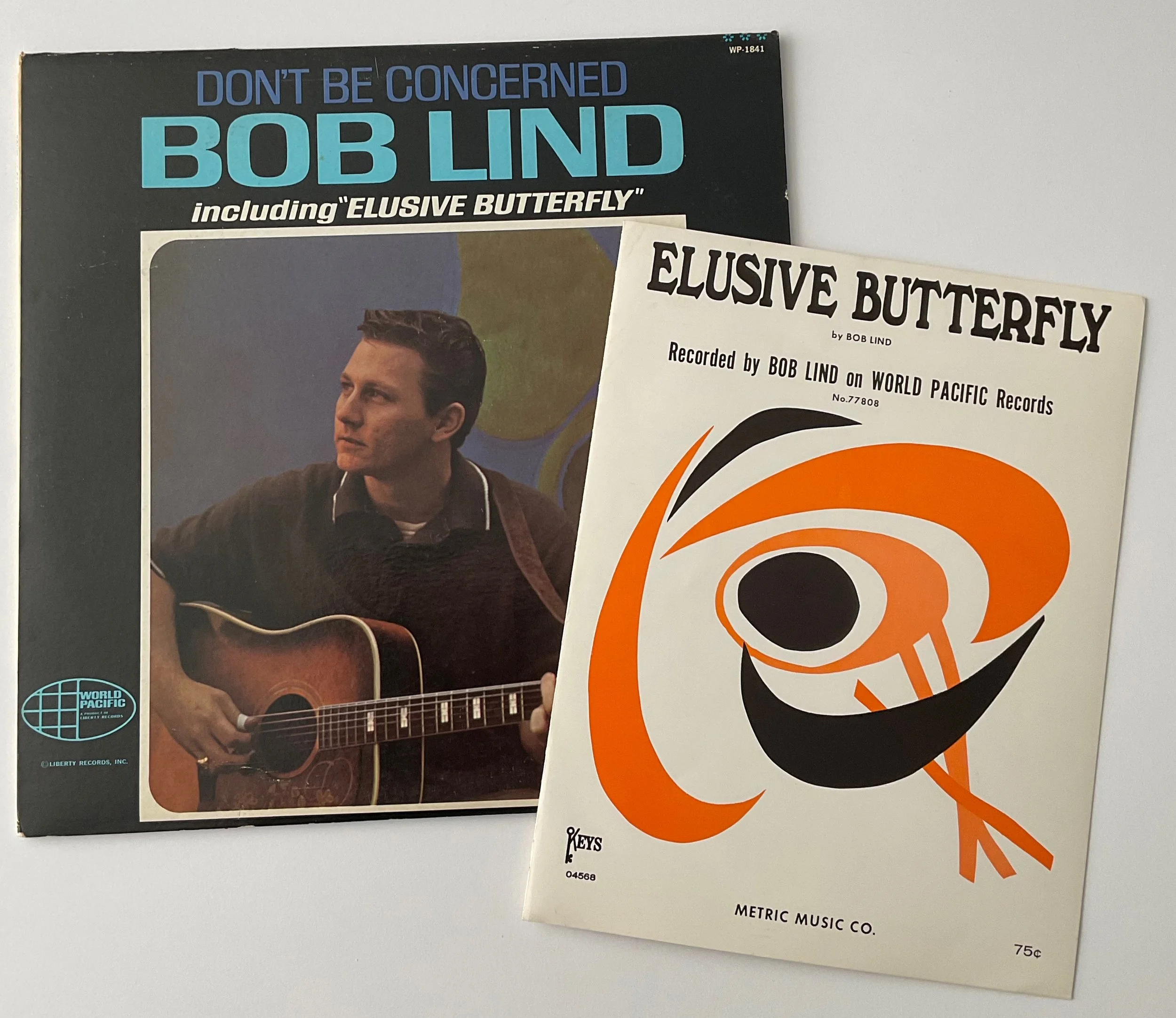
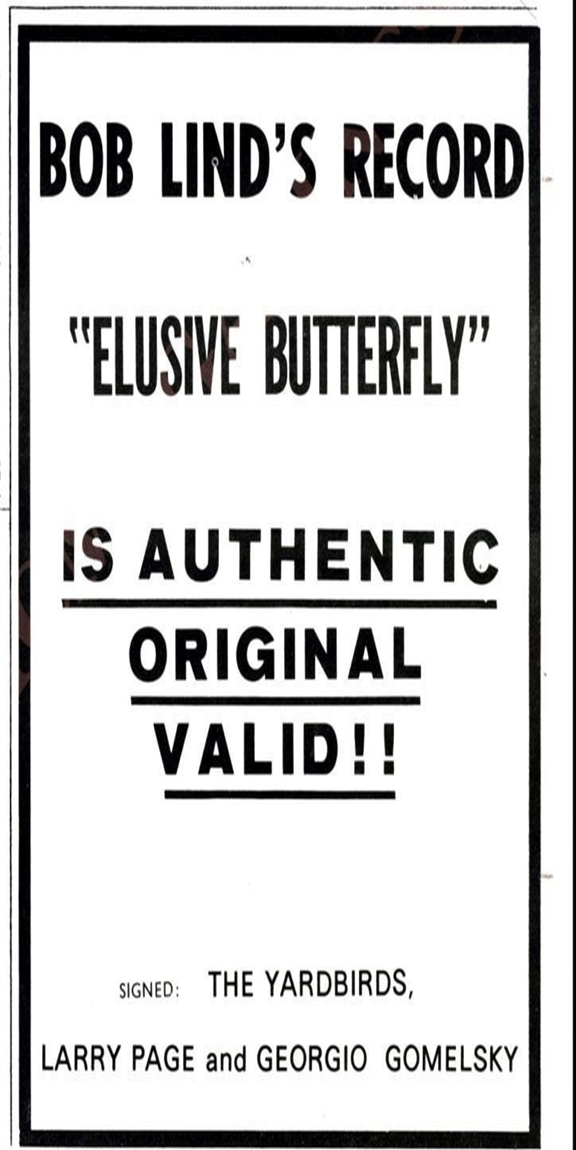
Principal among Lind’s supporters was Georgio Gomelsky, Paul Samwell-Smith and Keith Relf. Even before the release of Lind’s debut album (February in the US and April 1966 in the UK) they had been singing his praises having brought back from their travels a clutch of acetates. They felt strongly enough about his artistry being cheapened by association with the light entertainment industry’s top crooner that they paid for an advert in the music press. Where they called Lind, ‘Authentic, Original, Valid!!’ Everything that Doonican, the man in a cardigan, lacked.
Samwell-Smith said his lyric for ‘Shapes of Things’ had followed lines laid by Lind and he and Gomelsky had plans for Relf to record ‘Mr. Zero’, a maudlin tune about a suburbanite abandoned by his lover, Miss Someone:
The present moves out on the sunset's crescendo
As seagulls of dawn set their wings to the air
And fly without resting on outward bound breezes
To die where horizons are melting the dusk
Leonard Cohen look away . . .
The Yardbirds split from Gomelsky before he could record ‘Mr. Zero’, but the idea had enough weight behind it to become part of Simon Napier-Bell’s schema. Samwell-Smith and Napier-Bell would double-up on production duties for Relf.
Released in May, Penny Valentine reviewed it for Disc: ‘very fond of dear Keith Relf with his starved face, and I too thought that this would have been just the sort of sad song cut out for him. BUT . . .’, she felt it was too fast and hence lost ‘a lot of the impact of loneliness’ of Lind ’s original. Derek Johnson in NME gave it ‘full marks . . . This Bob Lind number isn’t easy at all to sing, largely because there’s little melody you can get your teeth into, but Keith copes admirably and his diction is perfect’. Norman Jopling in Record Mirror was more positive: sung ‘with haunting tones, building the drama well. Should be a hit’.
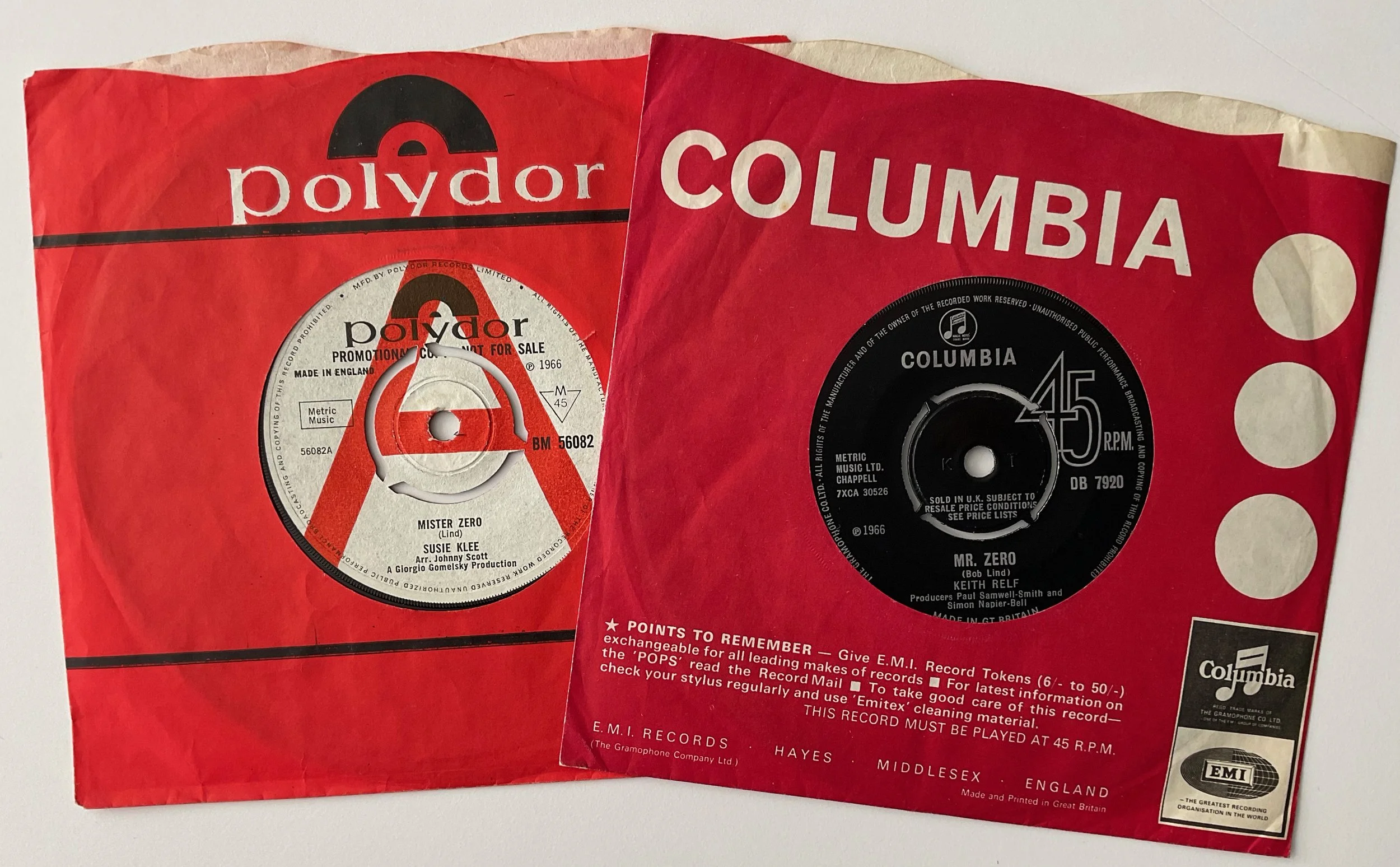
Complicating matters somewhat was a version by Susie Klee that was released in the same week as Relf’s effort, produced by Gomelsky, and obviously designed by him as a spoiler or at the least his way of cocking a snook at Relf and the band.
Melody Maker published a dual review of the two singles, which had Relf sounding ‘like a cross between Tom Lehrer and Paul McCartney’ capturing the ‘poetic mood of the song’. The reviewer, however, thought Klee gave a ‘better interpretation’ – ‘the lyrics definitely suit a girl more’, which indicated he’d not listened with any care to the song, which is very much about masculine self-absorption.
Relf’s single peaked at number 50 in Record Retailer’s chart in the last week of May. Gomelsky’s spoiler made nary a dent in the hit parade and, given the scarcity of stock copies in today’s collector’s market, sold only in miniscule numbers.
Truth be told, Relf’s is the better arrangement and production, Klee’s is a foggy affair, her voice buried in the mix. Relf’s voice is out front, his scansion is perfect, the production bright and airy giving full support to his tale of woe is me.
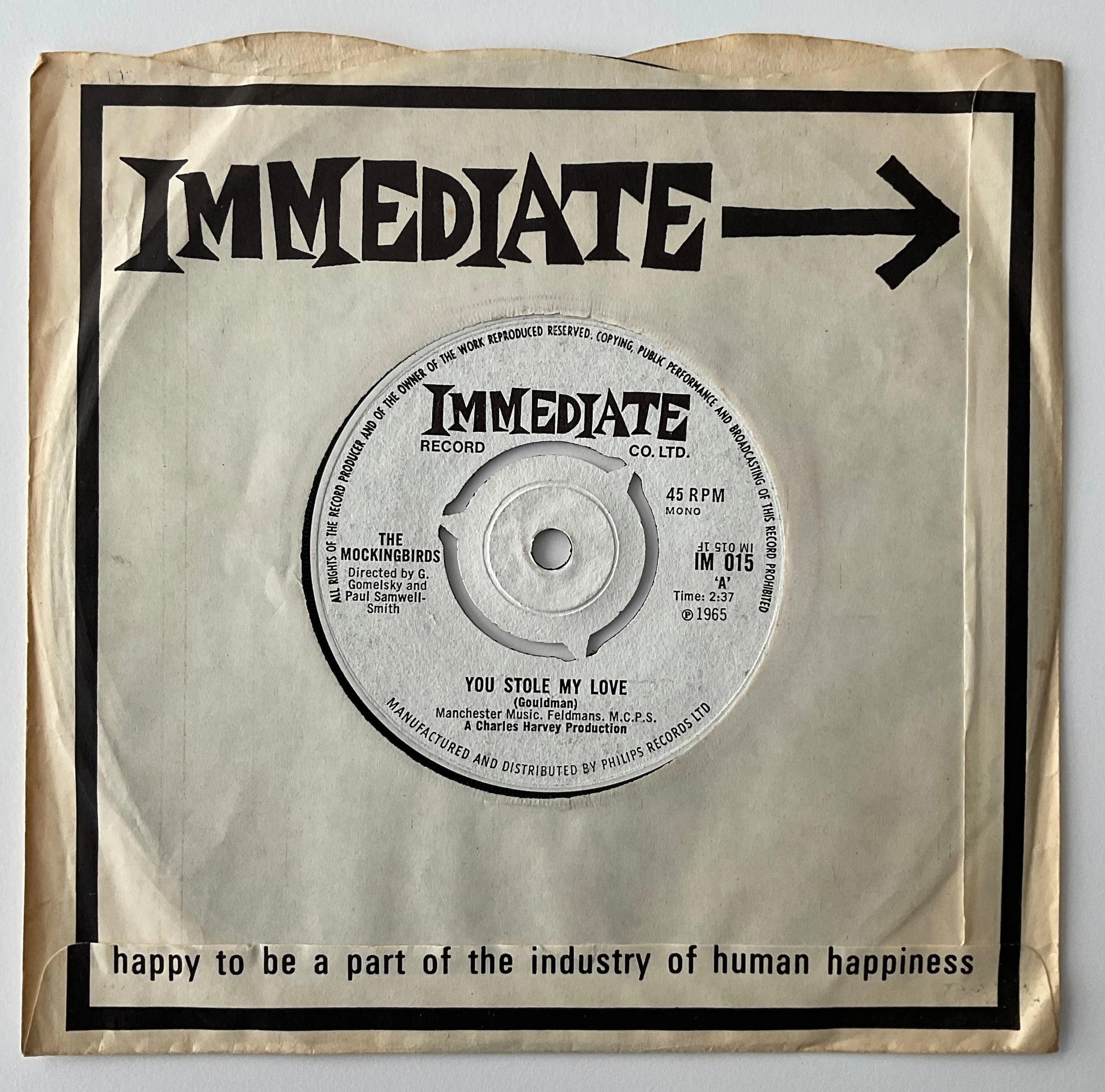
Samwell-Smith had earlier stepped out of his dual role in the band as producer and bass player to record, with Gomelsky, Graham Gouldman’s Mockingbirds. Gouldman’s composition, ‘You Stole My Love’ closely follows the pattern he had established with ‘For Your Love’ and ‘Heart Full of Soul’ with it switches in tempo and a sub-Beck rave up.
After quitting the ’Birds, Samwell-Smith turned to independent production, working now on his own. His first effort was Al Stewart’s debut on Decca, ‘The Elf’, which is in keeping with his predilection for pop folk (he said he was a keen fan of early Dylan but disliked his amphetamine fuelled electric phase).
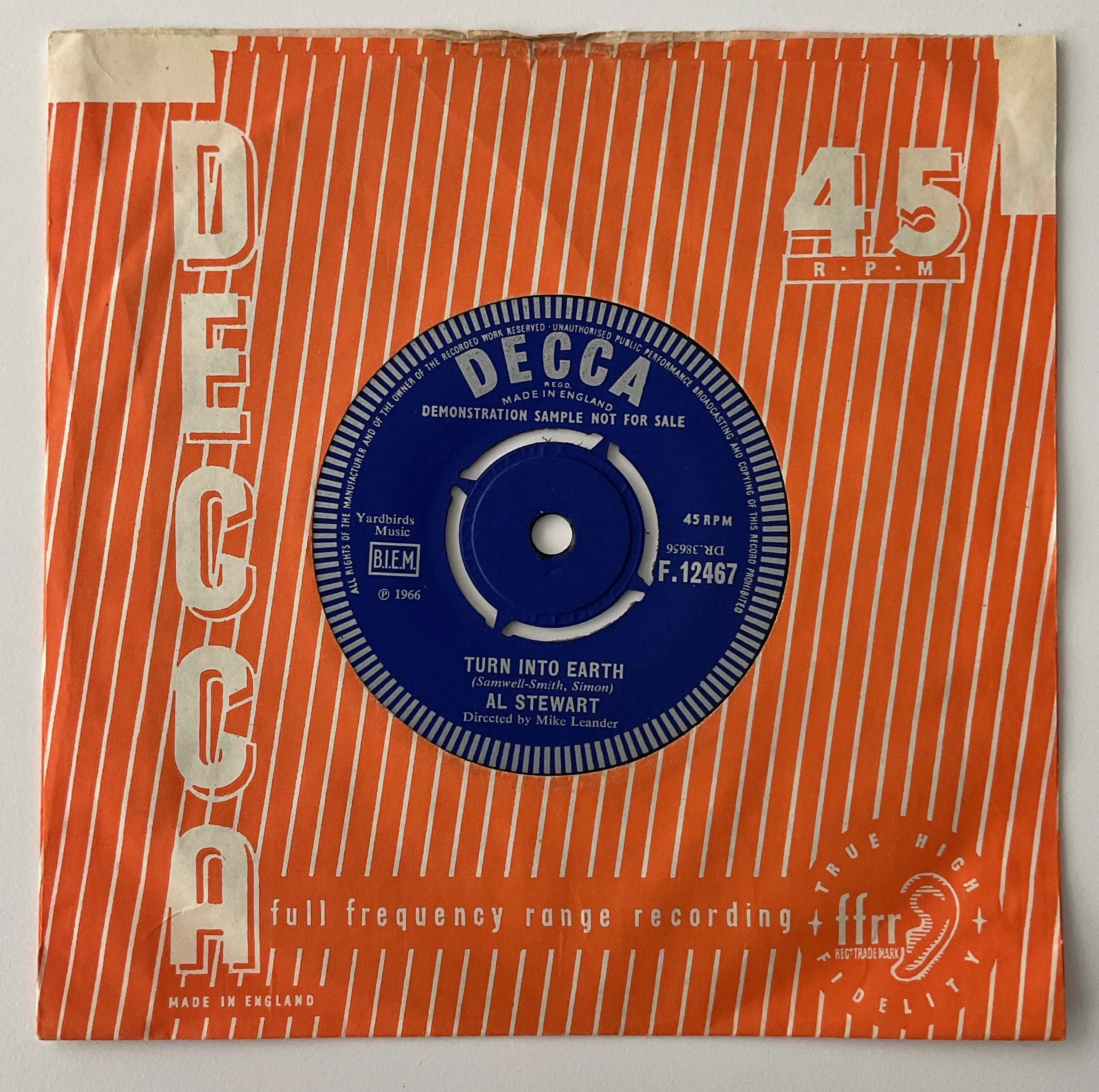
Samwell-Smith would later get the chance to more fully pursue his preference with Cat Stevens, but before then he couldn’t or wouldn’t abandon the lessons he had learned with the Yardbirds. He used his on composition for the flip of ‘The Elf’, a cover of the Yardbirds ‘Turn to Earth’ that, it is said, features Jimmy Page in Beck’s place and what sounds like McCarty and Dreja resuming their roles. It’s a fuller, bolder production, with flute and, toward the end, great bursts of percussion.
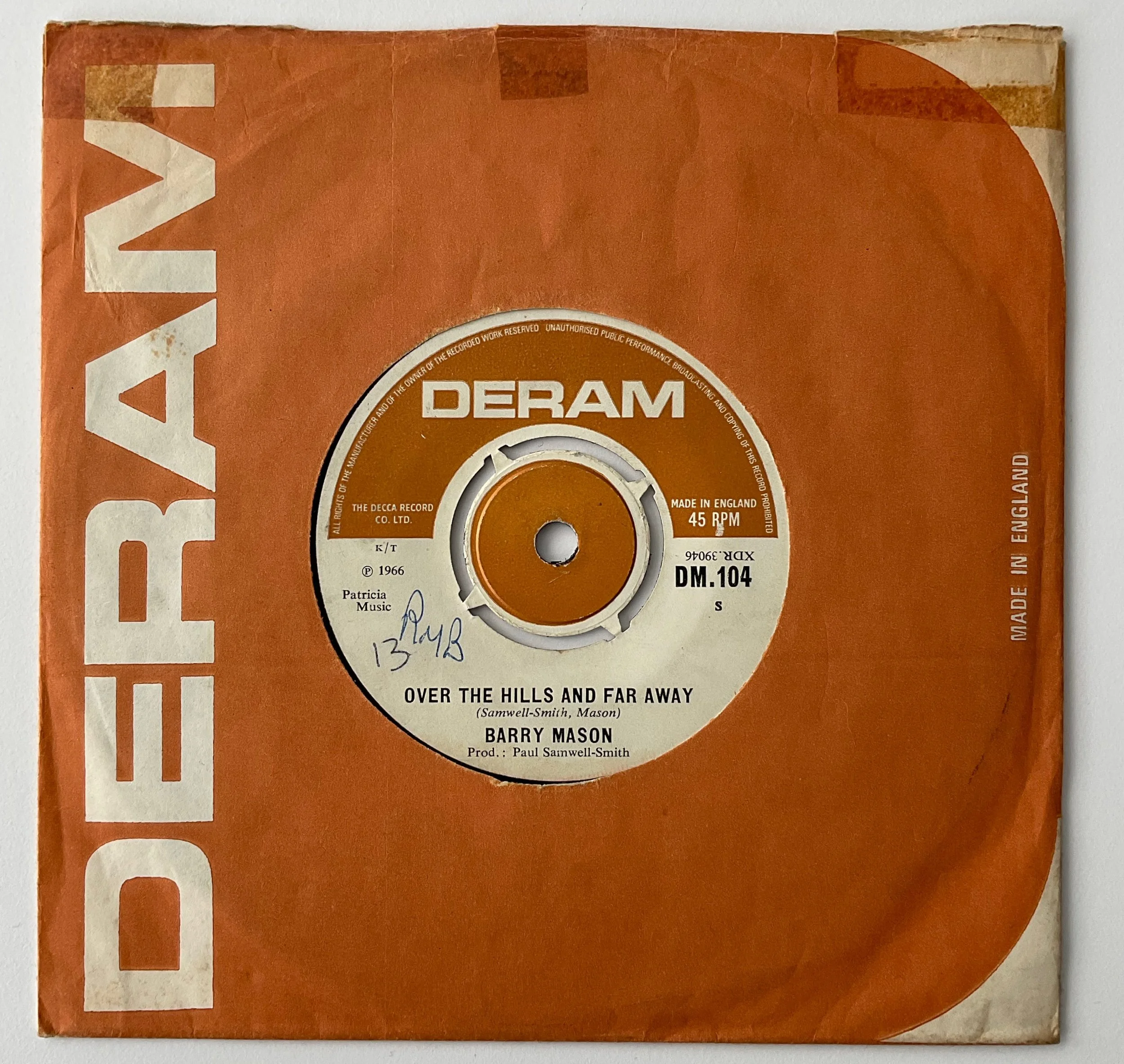
Samwell-Smith was back at the recording studio consul for songwriter Barry Mason’s ‘Over the Hills and Far Away’, released on Deram in October. A droning, heavily flanged arrangement that would not have been out of place on Roger the Engineer. It is certainly at odds with Mason’s more commercial output that is better represented by the b-side ‘Collection of Recollections’, which picks Lind’s pocket.
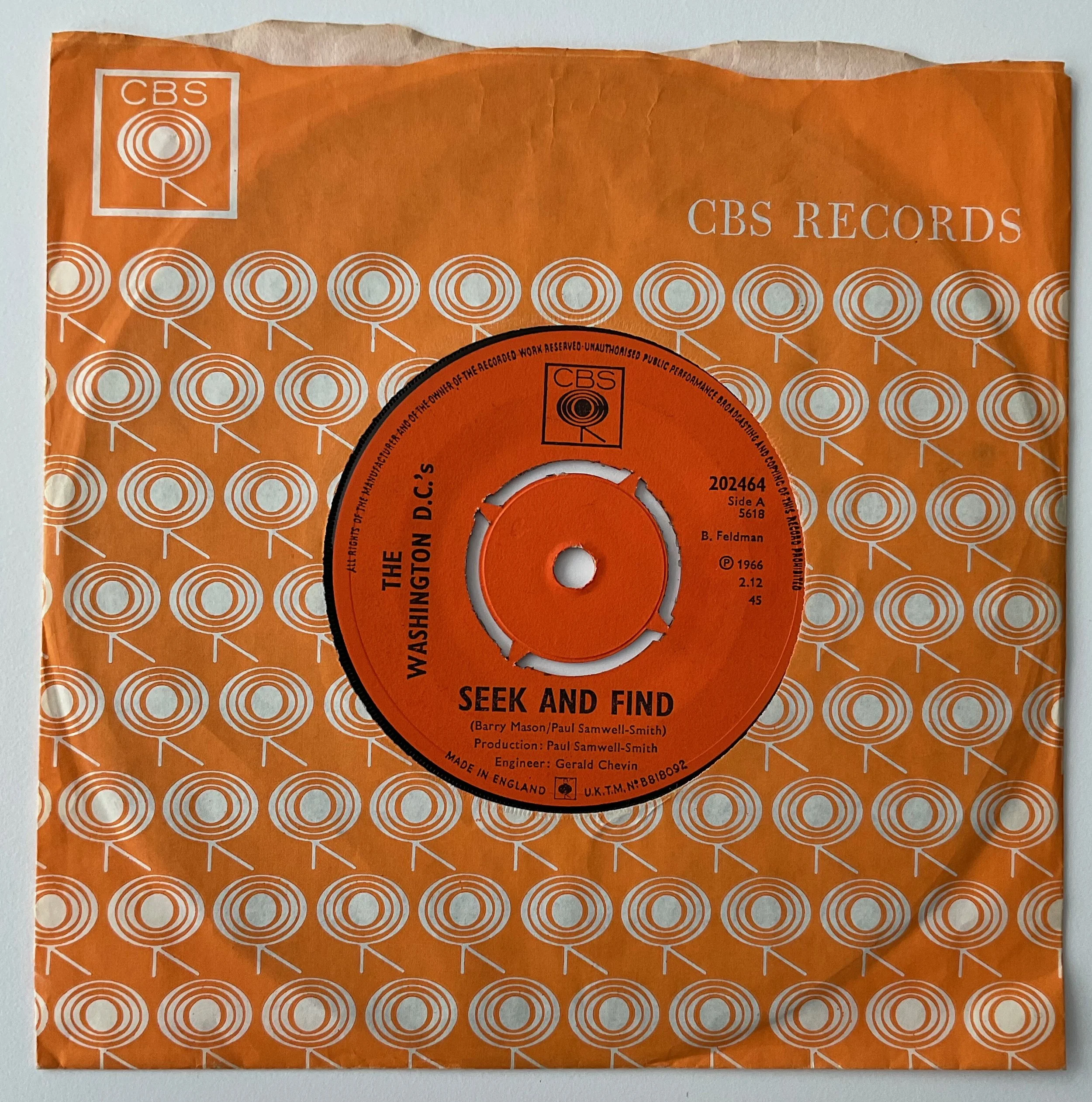
Samwell-Smith’s last released production credit for 1966 was a joint affair with Mason, the Washington D.C’s ‘Seek and Find’. With its accelerated ending (though without anything approaching a Beck like turnaround) the performance is more Gomelsky-era Yardbirds than the mind-expanding forays the band embarked on with Simon Napier-Bell. Still, the Yardbirds’ spell continued to hold Samwell-Smith in its thrall.
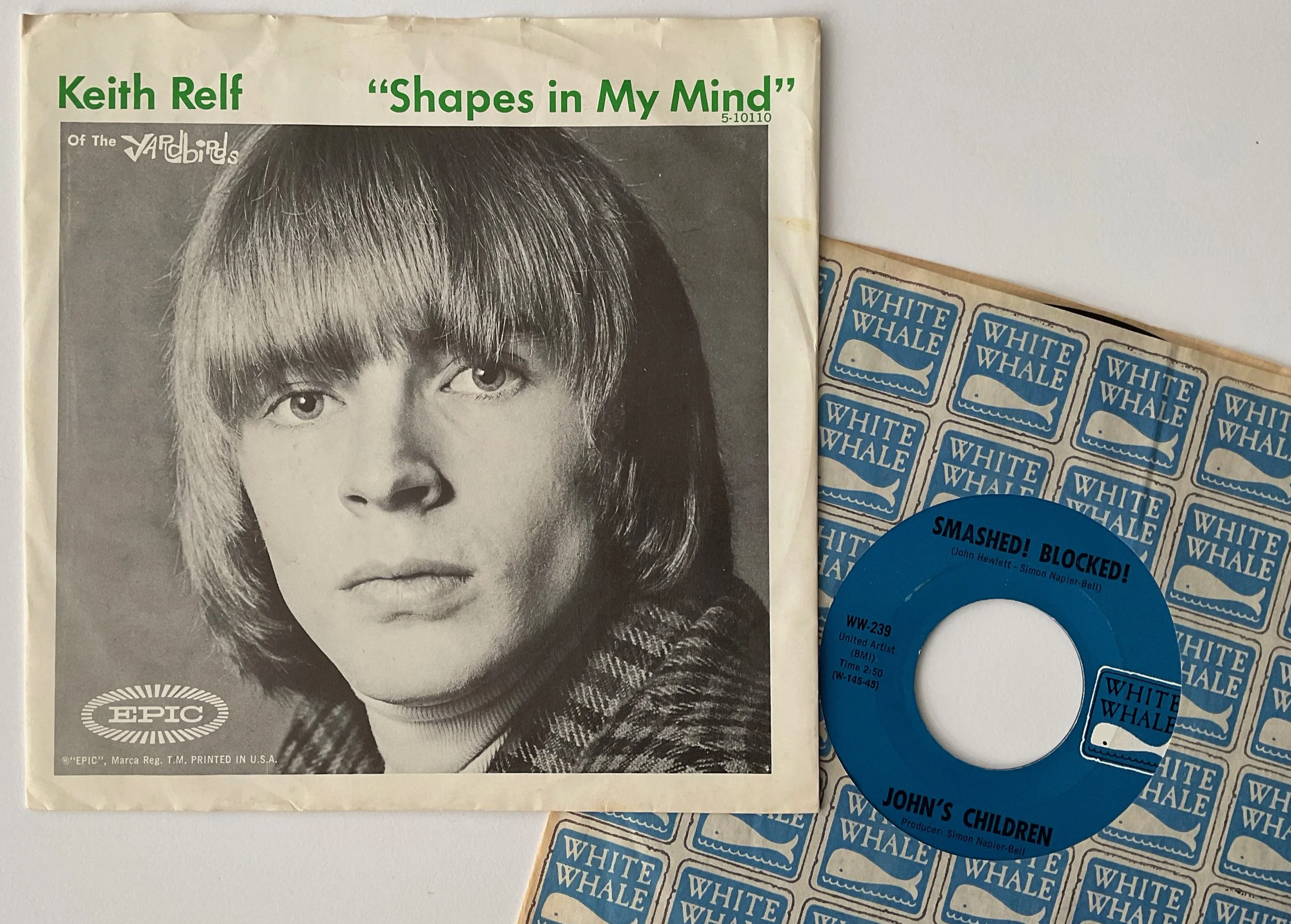
Relf’s second single, ‘Shapes In My Mind’ was tracked and mixed in Los Angeles and New York in August and September. At the same session, Napier-Bell had also overseen the recording of the backing track to the debut John’s Children single, ‘Smashed Blocked’. Written and produced by Napier-Bell alone, Relf’s disc was ostensibly a song dealing with a forlorn lover, but more pertinently it was about the derangement of the senses – the shifting shapes in the mind’s eye, where colours cry, the brain explodes and the body shrinks inside the singer’s head. ‘Help’ he cries, ‘or I’ll be dead’. The whole an echo of the cry at the start of ‘Smashed Blocked’ – ‘Please! I’m losing my mind’. But few were paying much attention to either disc, though NME’s Derek Johnson liked the John’s Children’s single, re-titled ‘The Love I thought I’d Found’ for the British market: ‘A spoken intro leads into this stormer, which suddenly lapses into ballad tempo. Unusual in the extreme!’
Norman Jopling and Peter Jones in Record Mirror described Relf’s single as having a ‘curious instrumental opening . . . Changes of tempo, powerful chords, rather unusual song’, but they didn’t link it to psychedelia. Neither did Derek Johnson in the NME: ‘Sung on deep echo, with an enveloping organ sound and plucking bass well to the fore, plus a pounding beat – it has a nagging, insidious effect in keeping with the bemused lyric. Full marks to Simon Napier-Bell on his very startling production, and to Yardbird Keith’. In Disc and Music Echo, Penny Valentine reviewed it under a pre-release title of ‘Make Me Break This Spell’, she better caught its strange effect:
Simon Napier-Bell has been groping around in the dark – in the musical sense – for a long time and may at last be coming into the light. This is as strange and weird as some of his other efforts (that includes the last Yardbirds’ monstrosity) but unlike the others this actually works. Here then we have Keith’s off-beat, sad, echoey voice in a desperate state at losing his girl. Once you’ve got over the shock of everything stopping and starting and feeling that somewhere lurks the phantom of the opera at his organ keyboard, you’ll like it. It may even move you. It did me.
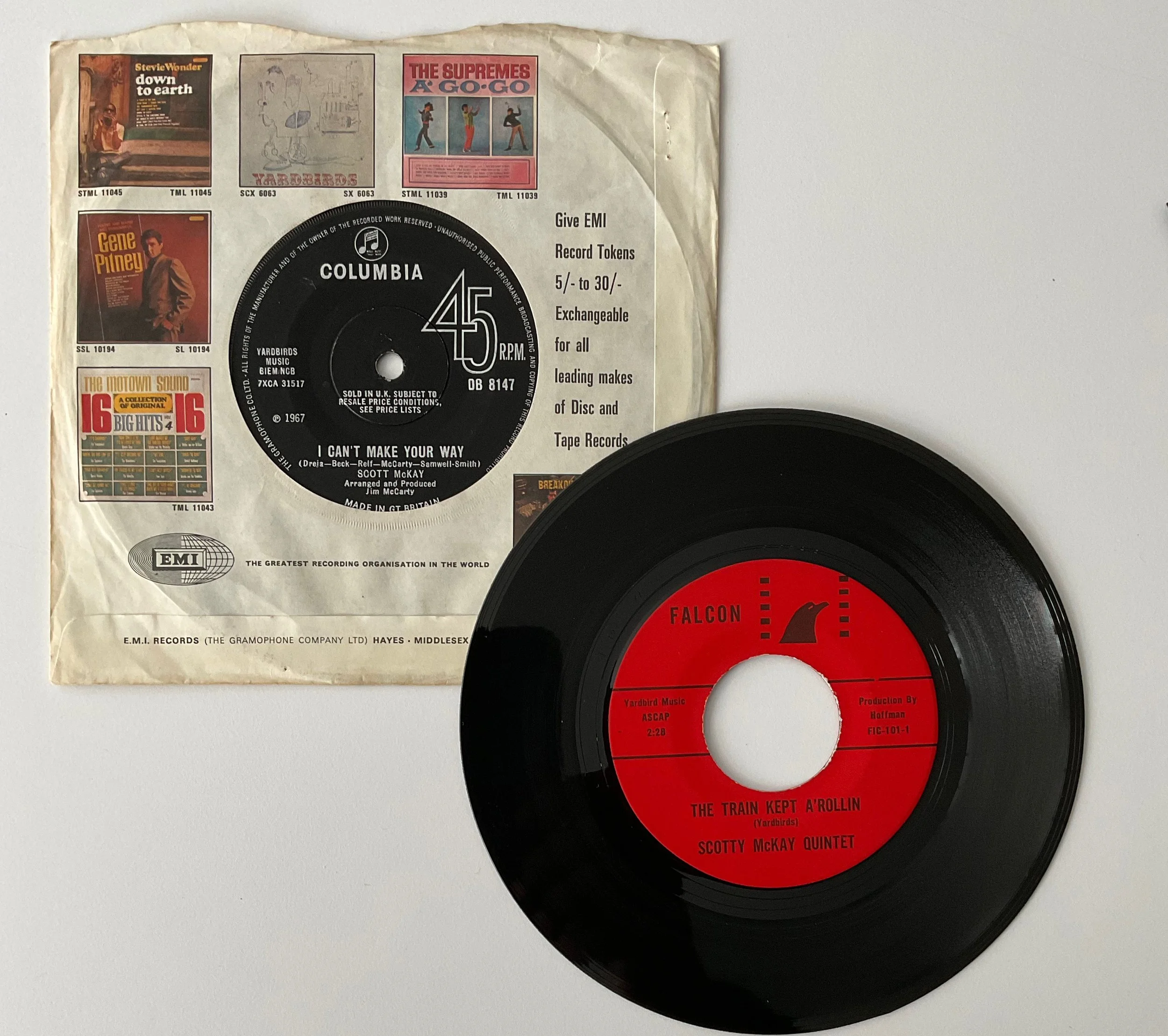
Tripping into 1967, Jim McCarty made his production debut with Scotty McKay’s cover of the ‘Birds, ‘I Can’t Make Your Way’ – a Roger the Engineer tune that curiously Tony Blackburn had recorded for his debut album [see here]. McKay had hooked up with the band during the ill-fated Dick Clark Caravan of Stars, which Beck had walked away from. He’d briefly been one of Gene Vincent’s Blue Caps and had cut a number of rocking sides for the Ace label. His version of ‘Make Your Way’ betters Blackburn’s but doesn’t trouble the original. More interesting by far was his blistering take on ‘Train Kept A-Rollin’ which on the disc’s label was credited to the Yardbirds. You could say Scotty McKay was a fan.
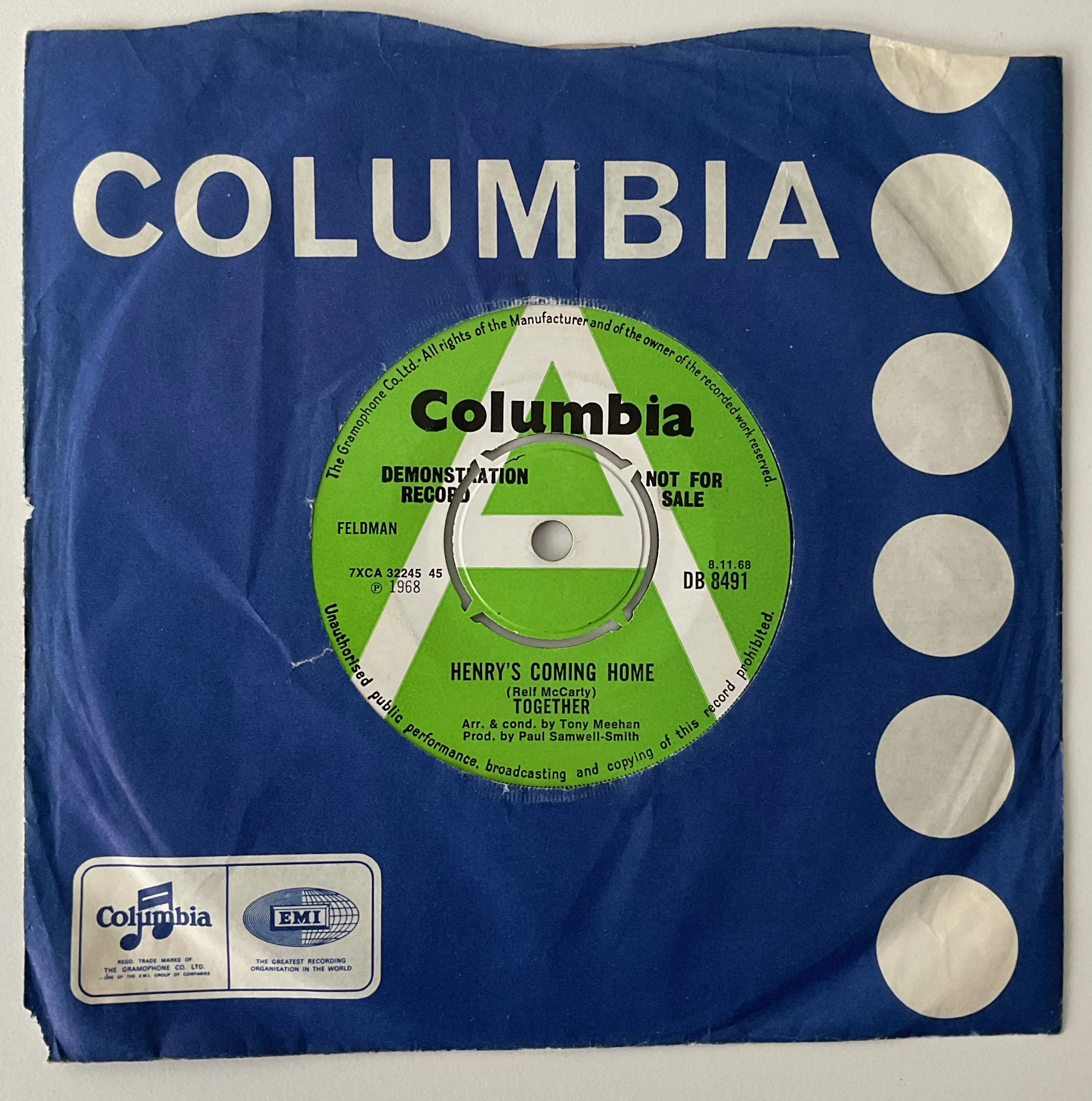
Alas, this small but intriguing miscellany ends with Samwell-Smith’s return to the fold with his production for Together, Relf and McCarty’s brief and all but invisible reprise after the Yardbirds had split. ‘Henry’s Coming Home’ b/w ‘Love Mum and Dad’ was released in mid-November 1968, Penny Valentine gave it a sincere review: an ‘intensely warm, pretty American sort of record’. It reminded her of the Turtles. Ex-Shadow Tony Meehan was responsible for the arrangement and the ‘really lovely handling of strings. The whole thing is excellent and they have reason to be proud’. She didn’t, however, consider it to be smash hit material, but it ‘bodes well for their future’ and will ‘get them a lot of well-deserved attention’. It did none of that and sank without a trace, there was no promotion and no further reviews. It could just be me getting sentimental about the end of the Yardbirds but I love it, a touching tender tale about a young man’s homecoming —Relf and McCarty’s paean to English suburbia after the tour trauma they had endured in America.
Quisque iaculis facilisis lacinia. Mauris euismod pellentesque tellus sit amet mollis.