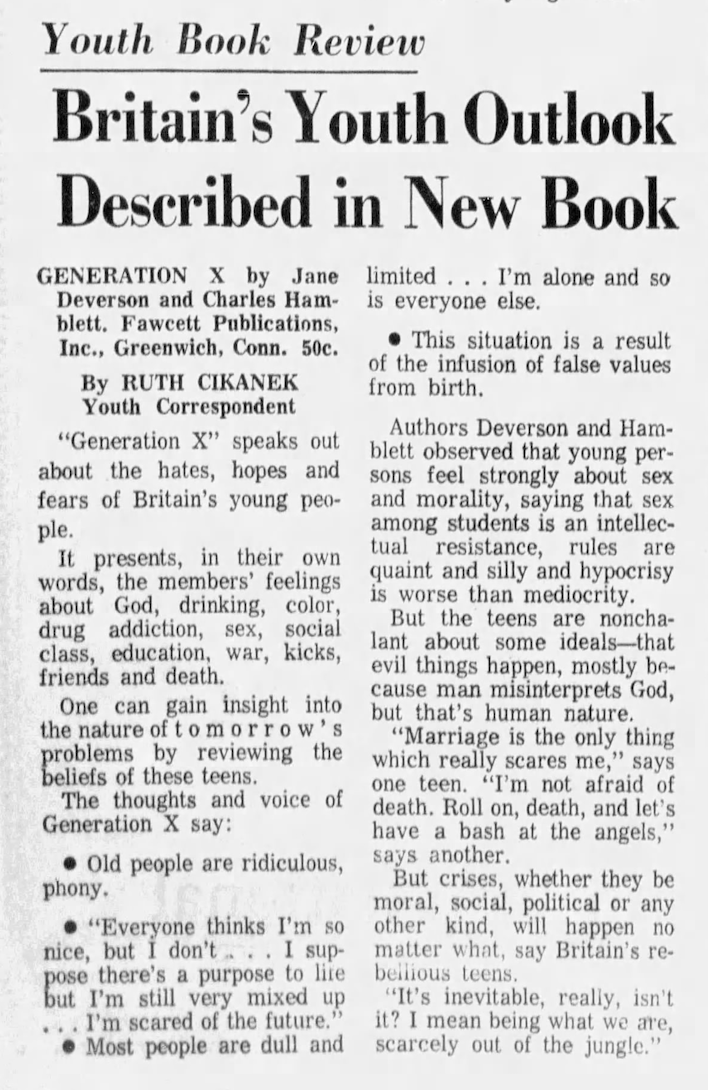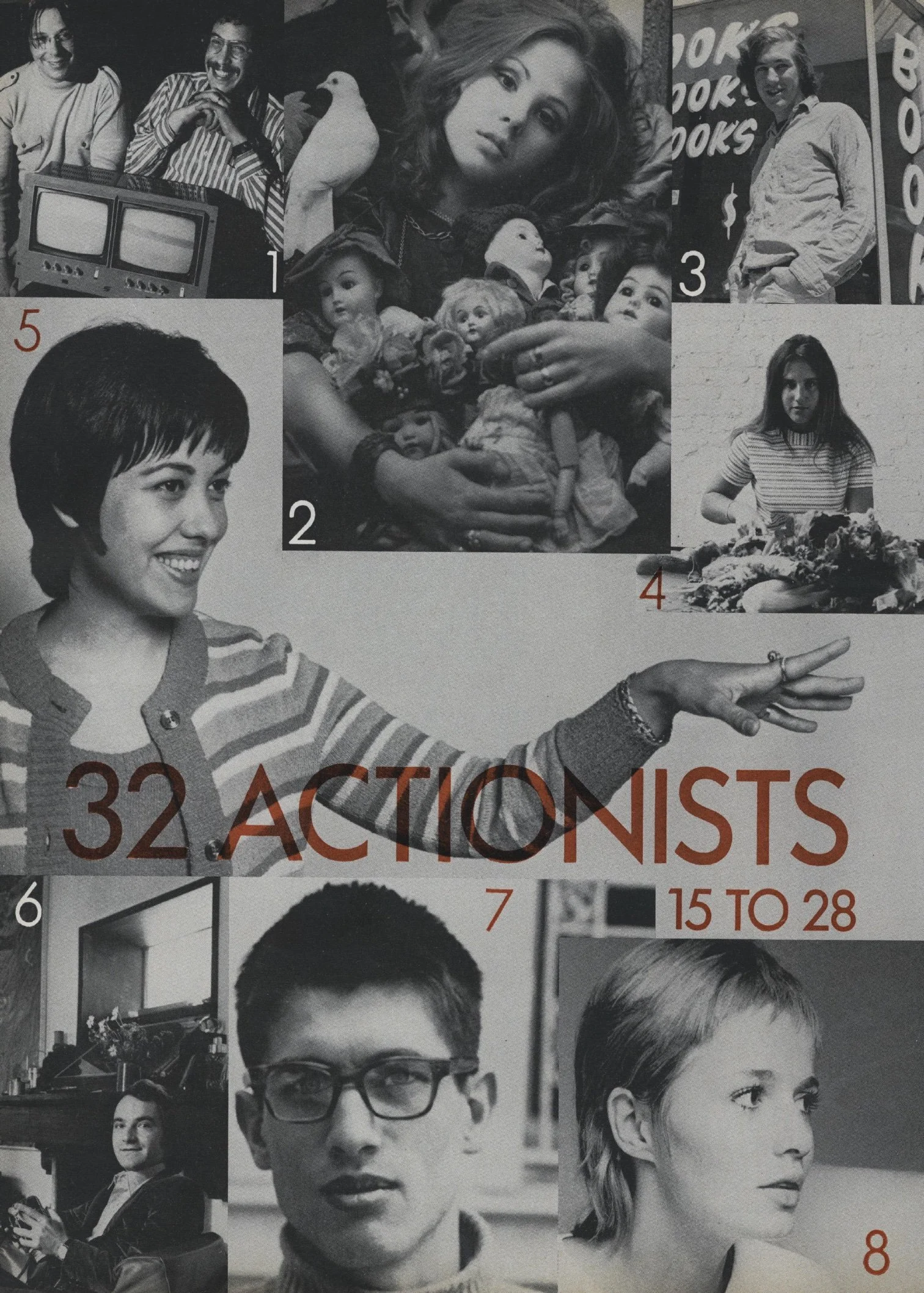
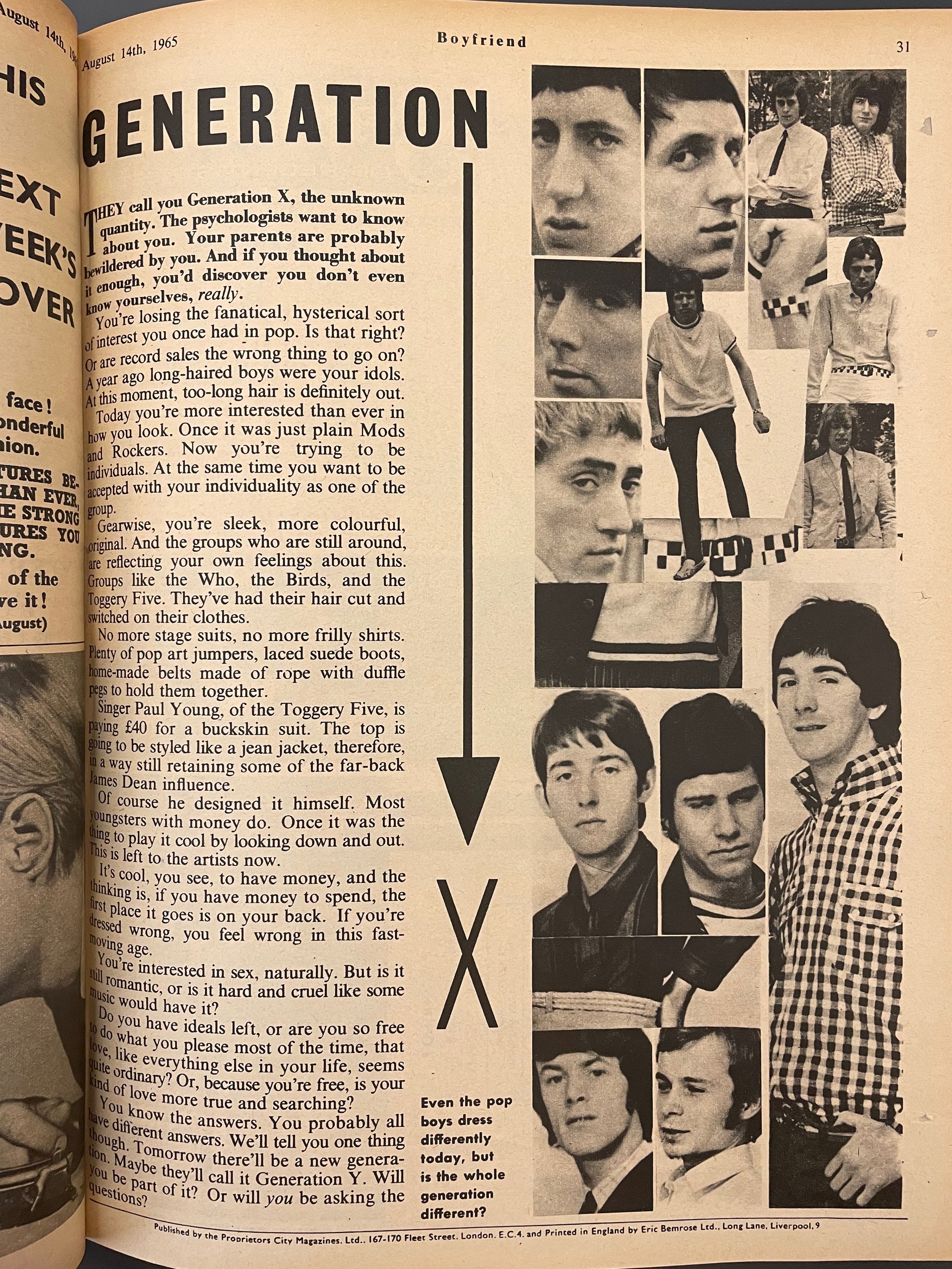
They call YOU Generation X

‘Roll on death and let’s have a bash at the angels’

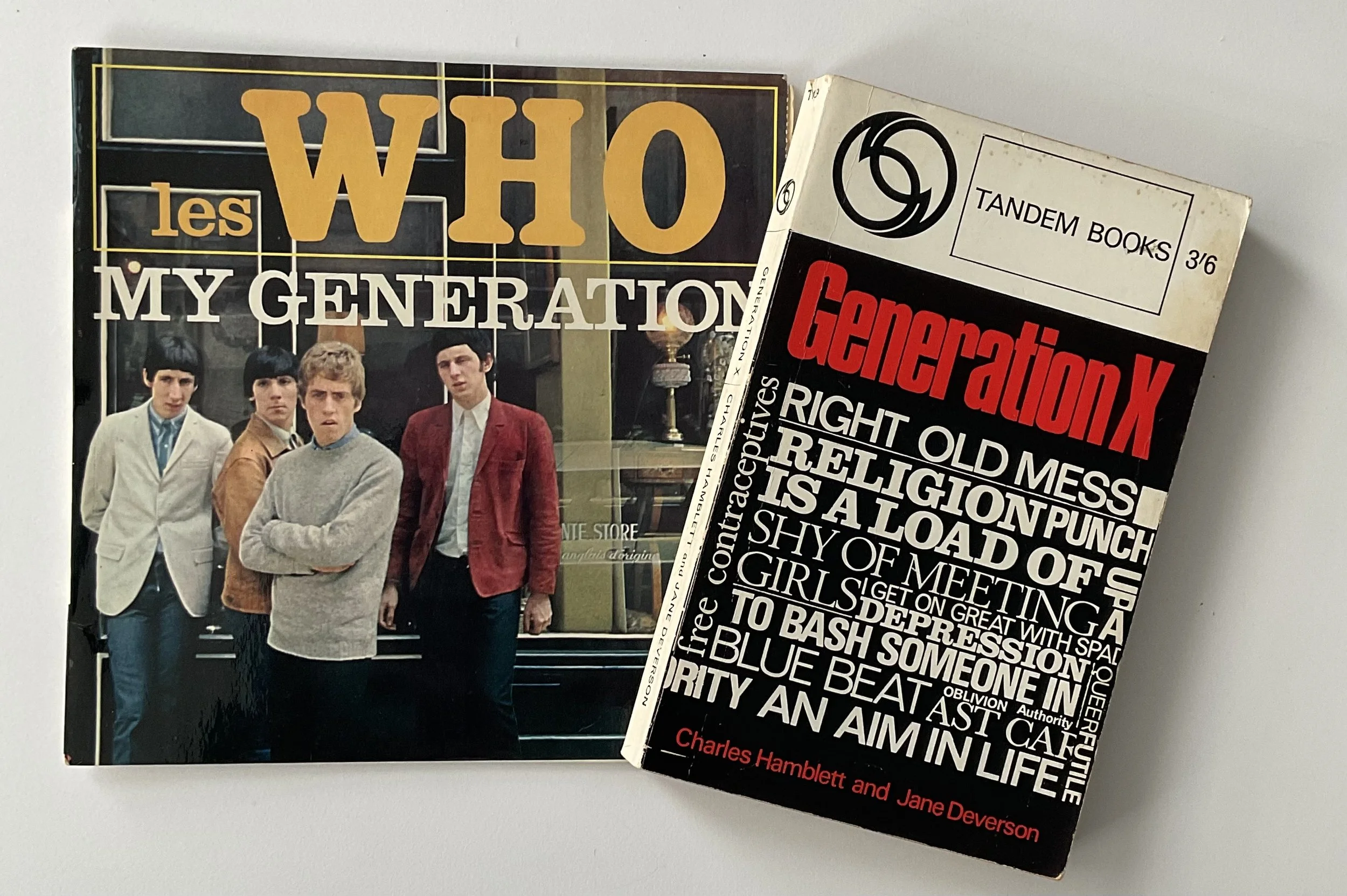
Generation X

When the teen pop magazines eventually picked up on Generation X they turned it into a set of life style tips with The Who, The Birds and The Toggery Five as their models
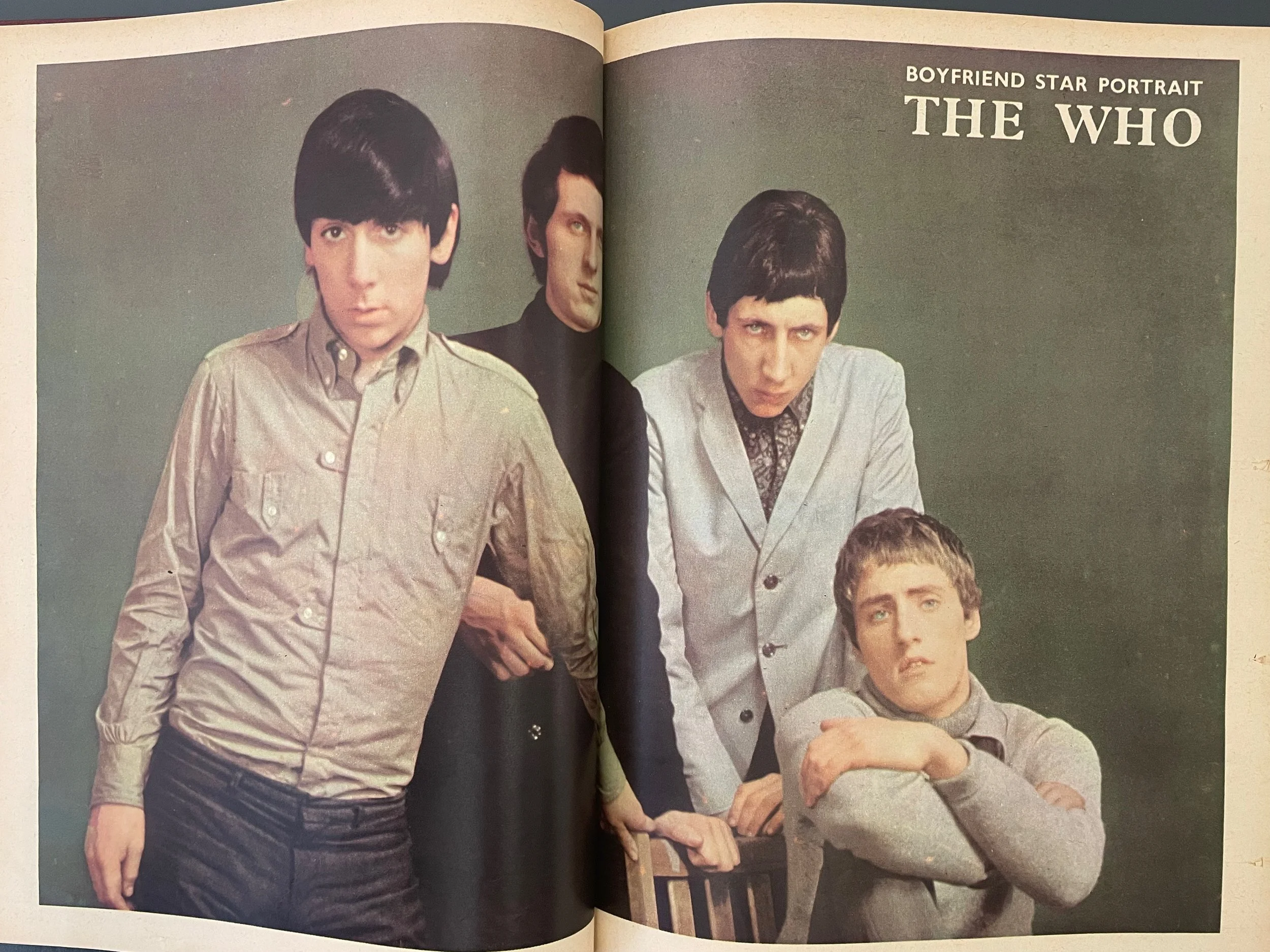
The Observer (May 17,1964)
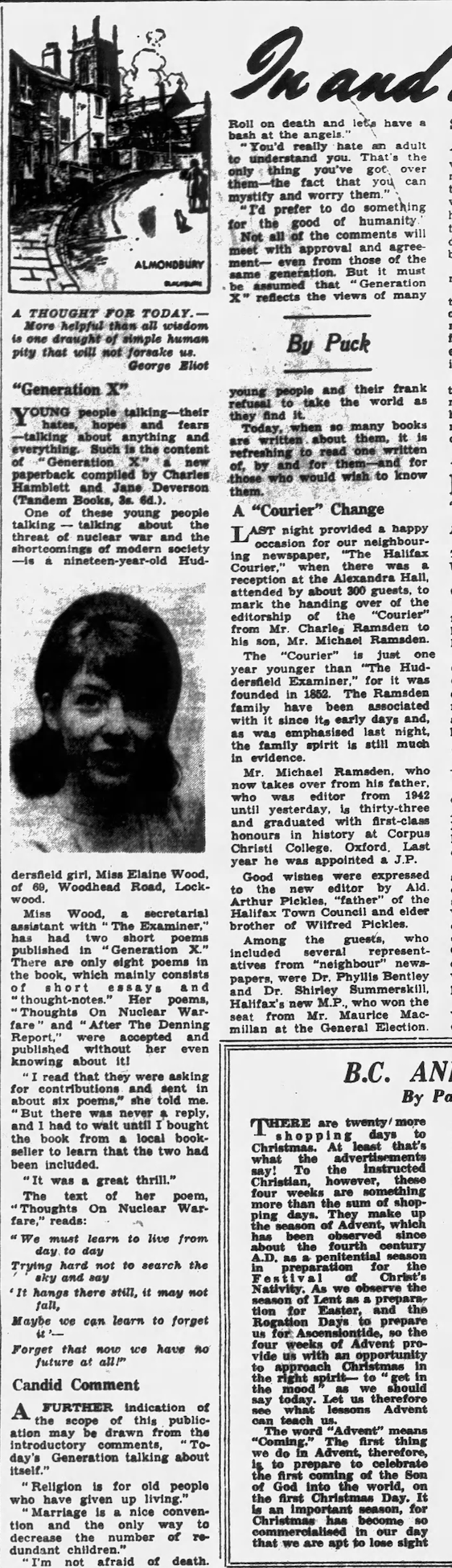
Huddersfield Daily Examiner (December 1, 1964)

Wichita Beacon (November 26, 1964)

After You’ve Gone blog has some background on the term ‘generation x’ [HERE] and on the book itself [HERE]

Before Billy Idol’s mob took the name there were at least two other combos, one in Kent the other in Cornwall, who adopted the name and attempted to breakout of village halls

A Kentish Express columnist looks no further than to her darling boy’s school band, Generation X, for this February 1967 piece.
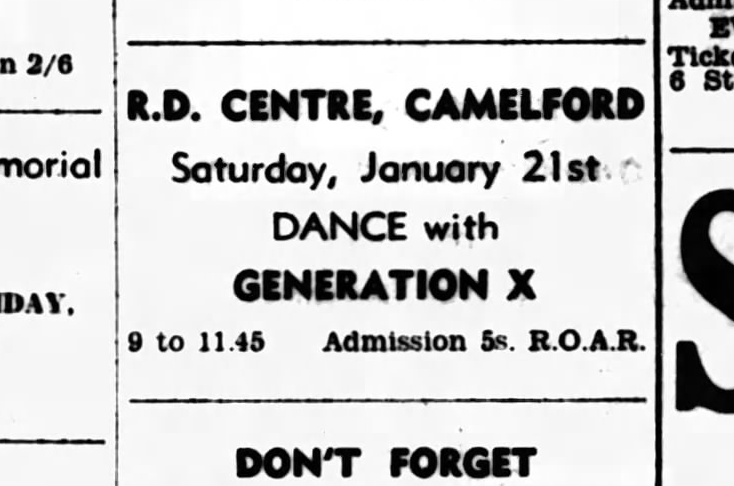
Cornish Guardian (January 19, 1967)

‘Generation X the title of a paperback which detailed the wild youth of the 1960s: a rock band of the 1970s . . .’ Bolton Evening News (December 20, 1977)

Clipped pages from Generation X on the rear of The Clash’s debut single

The 1964 American edition, published by Fawcett, uses a reversed and cropped image of rockers and policemen on a Margate street corner. The original below is reproduced in Johnny Stuart’s essential Rockers! (1987)

“Police Notice . . . NO WAITING”
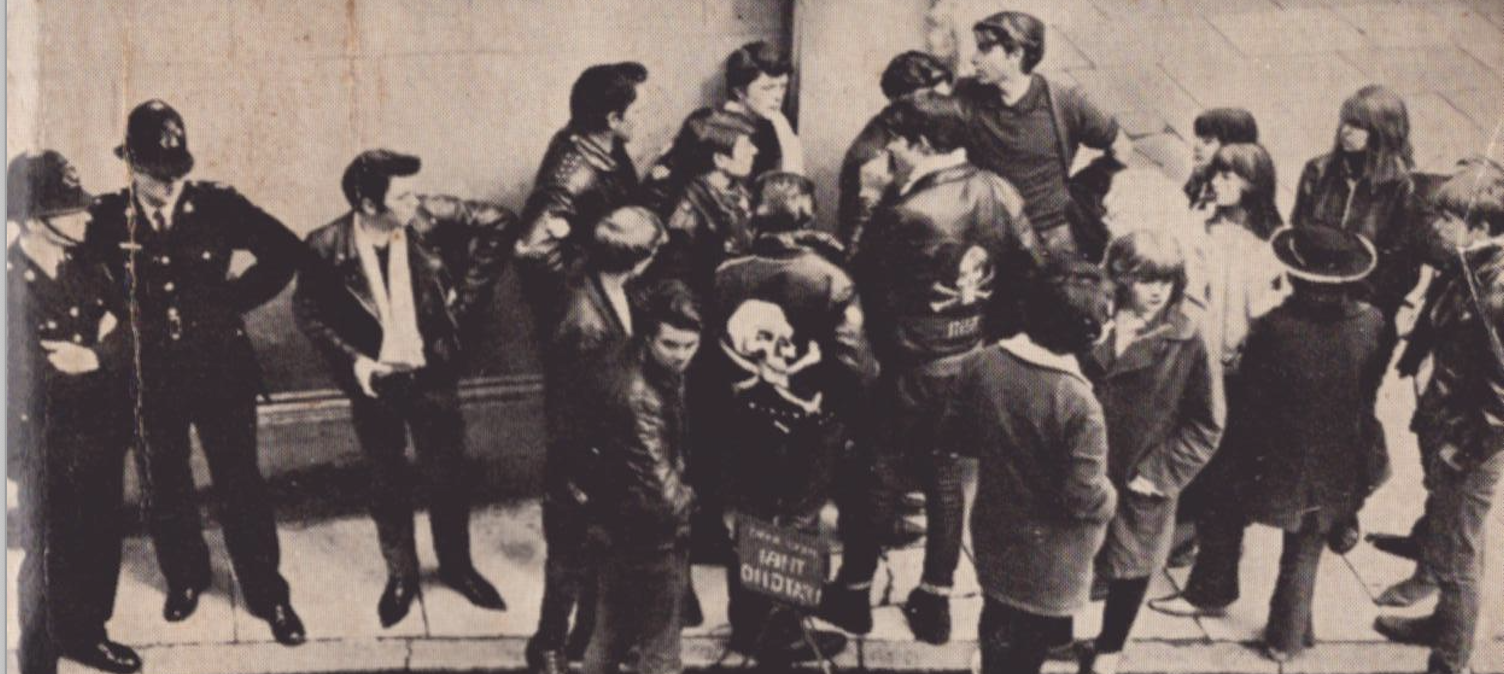
The two rockers to the right of the policemen have been given hair enhancements by Fawcett’s photo editor – quiffs are go!
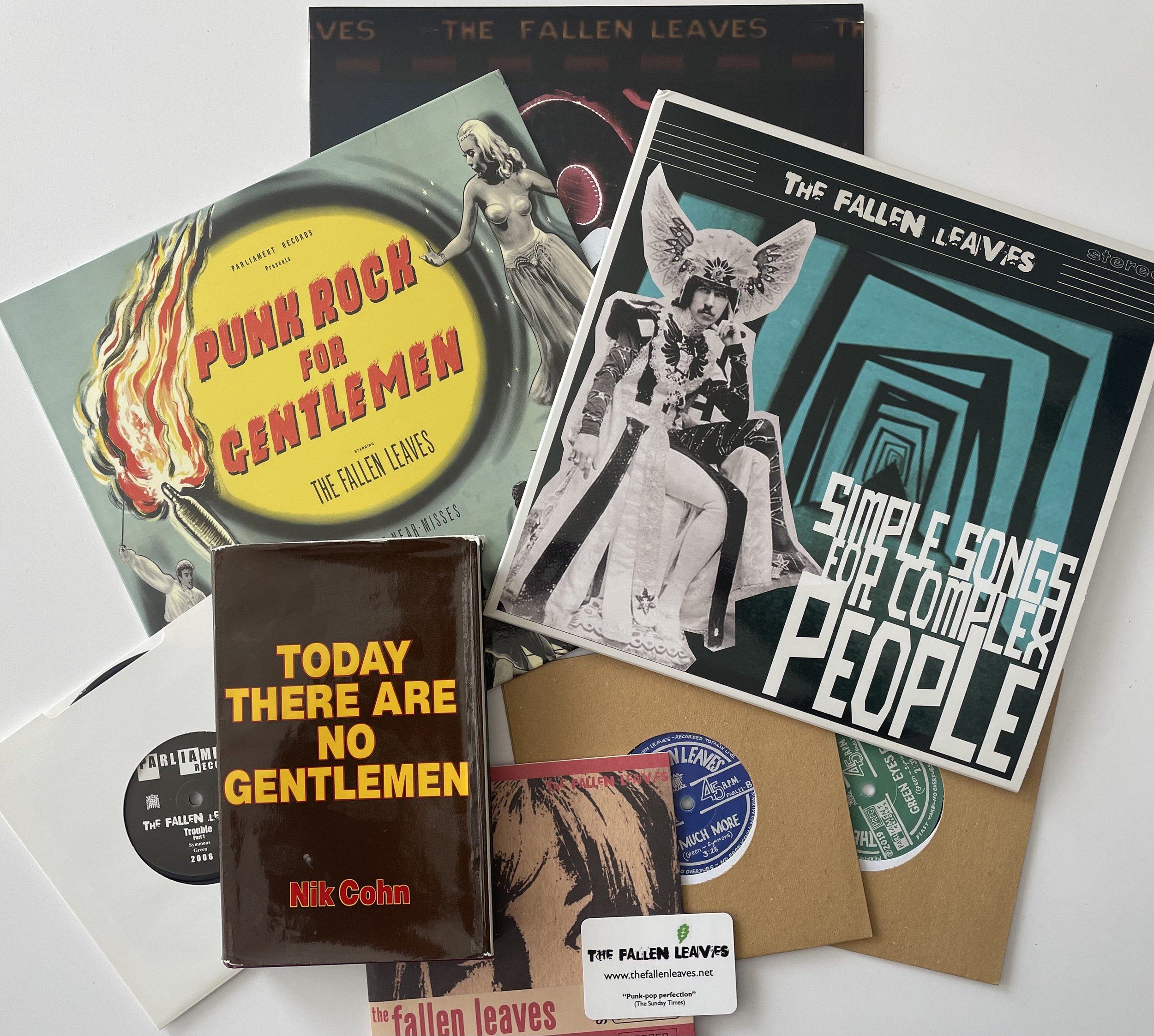
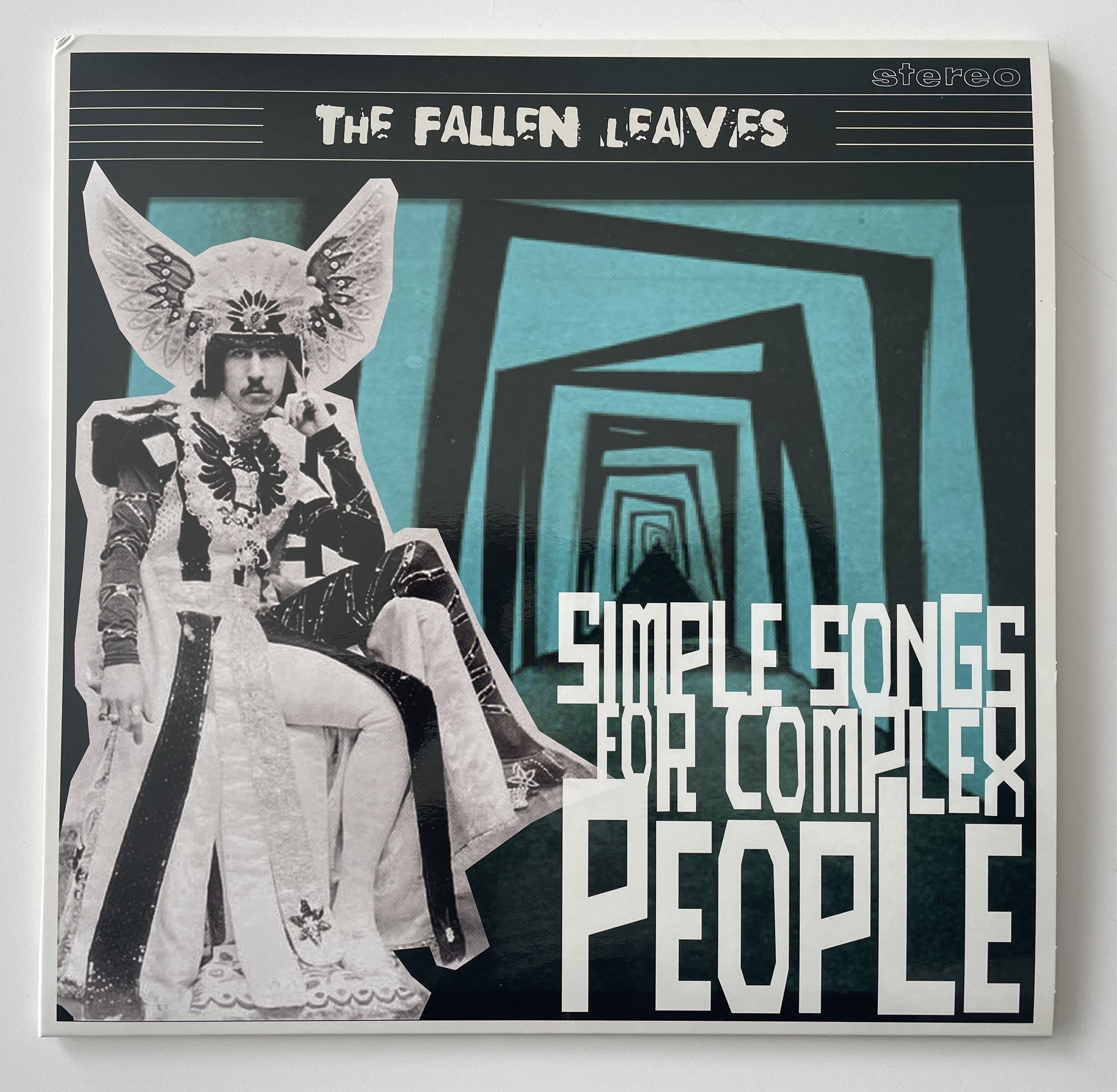
Today There Are No Gentlemen excepting The Fallen Leaves

Yellow Socks Are Out

As Eric Joy, the tailor, puts it: 'When I first started cutting, in the early fifties, my biggest seller was the single-breasted, button-three in grey or dark blue; ten years later, it was the same; today it's the same; in 1980, it'll still be the same.' . . .

With this, all the bleatings of revolution may begin to take on meaning. For the first time, male fashion won't be just the rich and the chic, sipping Campari sodas at the Arethusa; it will be dealing in millions.

On that basis, this book comes more into perspective. It isn't about a movement but about the roots of a movement; not about change but about the precursors of change. Simply, it's about a beginning.

 Nik Cohn, Today There Are No Gentlemen (1971)

All the important bands have a manifesto, written or unwritten. These are the rules they live by and the laws that they wilfully break (for a sizable cash advance)

There is poetry in The Fallen Leaves manifesto

 Simple Songs For Complex People.
Punk Rock For Gentlemen.
No Jeans. No t-shirts. No Cover-Versions.
The Fallen Leaves believe in the DIY Punk ethos.
Song, Sound and Performance are all.
Recordings are live, minimal overdubs.
As the self-proclaimed champions of the glorious underachievers The Fallen Leaves ask you to remember … Simple and easy are not the same thing.

 That credo was once shared by Dr. Feelgood; obviously not the embargo on cover versions, but in all other aspects the two bands walk the same line. In 1976 on the Feelgoods first tour of the States, Wilko Johnson explained to an American critic his philosophy:

“we play straightforward . . . We think the simplicity of it IS it . . . If there is no feeling in it, there’s nothing at all.”

photo: Mick Gold

 The Fallen Leaves don’t sound anything like the Feelgoods but they do sound like a good few of your other favourite bands. More importantly they apply Johnson’s ethos with verve and drama and they have in abundance what Nik Cohn loved in certain English bands, flash.

Their latest album is a true testament to that fact, it is the best album since forever (and I bet I’m still humming along with it next year and a good few more after that). Rev. Rob Green sings in a way that tugs at my most romantic inclinations, which is to say I believe him. Sir Robert Symmons plays guitar as if he’d sat a crash course taught by Sterling Morrison along with a few desultory evening classes with Ron Wood at the lectern, circa 1965. The Fallen Leaves also have the best vocal harmonies since The Who in 1966. Their songs are tailored for the ages . . .

Buy the album [HERE] then go see Aki Kaurismaki’s film that shares the band’s name . . . and much of their manifesto.

Dirty Real – Cultural Rhapsody

A review of Dirty Real in Library Journal.


“In a challenging cultural rhapsody about the gritty authenticity characterizing films following the hippie era of the 1960s, Stanfield (emeritus, film, Univ. of Kent; Maximum Movies) posits that the 1970s presented problem-based rather than escapist entertainment vehicles. Actors like Dennis Hopper, Peter Fonda, Jack Nicholson, Jon Voight, and Jeff Bridges personified a bohemian reality in Easy Rider, Five Easy Pieces, Midnight Cowboy, and The Last Picture Show. Stanfield usefully presents minute analyses of lesser-known films of this genre, including Ride in the Whirlwind, The Shooting, The Last Movie, The Hired Hand, and Dirty Little Billy. As with many eras, the themes of 1970s cinema do not precisely correspond to eras; antiheroes, usually loners, already existed in biker, working-class, and Western films of the 1950s. Stanfield references The Treasure of the Sierra Madre, released in 1948, as an influence over the era. He also examines how the lifting of the Production Code in 1968 resulted in greater openness in films.

VERDICT A challenging meditation on nonconformity in mid-20th-century cinema that includes a filmography list influenced by Italian and French New Wave cinema. Cultural critics might enjoy this book more than general readers.”

Reviewed by Frederick J. Augustyn Jr , May 01, 2024

https://www.libraryjournal.com/review/dirty-real-exile-on-hollywood-and-vine-with-the-gin-mill-cowboys-1806175

Dirty Real – Deadline May 13, 2024

Dirty Real is published on May 1st . . .

Publisher’s Weekly has had a head start:

Dirty Real: Exile on Hollywood and Vine with the Gin Mill Cowboys

Peter Stanfield. Reaktion, $25 (344p) ISBN 978-1-78914-862-6

Stanfield (A Band with Built-In Hate), a film professor emeritus at the University of Kent, delivers a discerning deep dive into counterculture films of the late 1960s and early ’70s. According to Stanfield, such actors as Peter Fonda, Dennis Hopper, and Jack Nicholson played down the glamour that had previously characterized Hollywood stars in favor of grittier personas that reflected an emerging understanding that movies were no longer “means of escape but a means of approaching a problem.” Astute analysis of key films of the era reveal how they tackled topical issues. For instance, Stanfield contends that Fonda’s The Hired Hand (1971) used the western genre as a backdrop to promote themes of female empowerment, and that Bob Rafelson’s Five Easy Pieces (1970) regards with distrust the “bourgeois slumming” of its protagonist, who maintains the privileges of his middle-class background despite seeking out a more “authentic” lifestyle working in oil fields. Stanfield shares Rafelson’s skepticism toward the period’s vogue for authenticity, suggesting that leading actors, writers, and directors showed “an acute nostalgia for the gutter none had known at first hand,” and that the predominantly white casts portrayed a “social realism [that] did not include the reality, or even fantasy, of black lives.” It’s a sharp study of the contradictions of post–flower power cinema.

https://www.publishersweekly.com/9781789148626

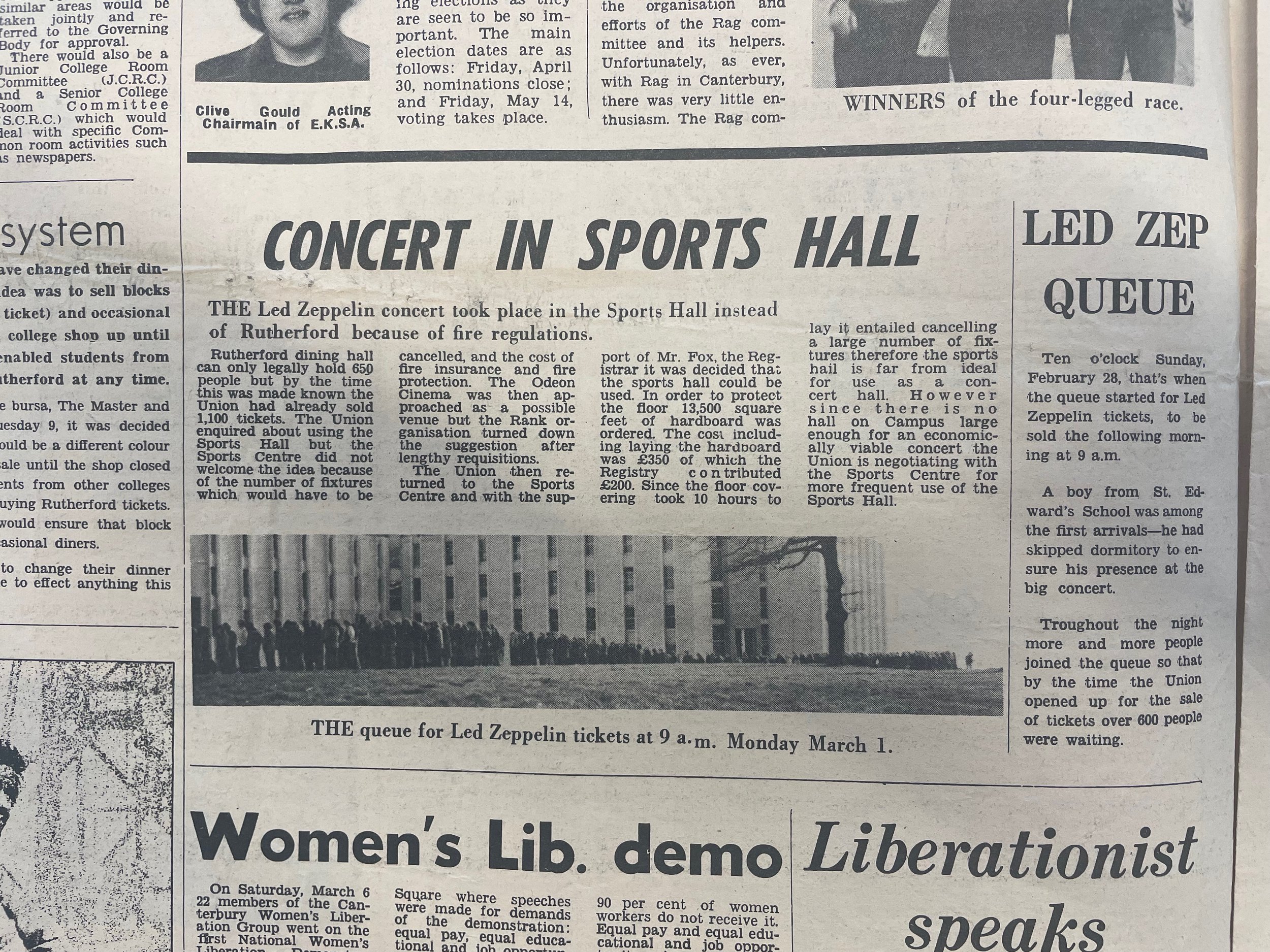
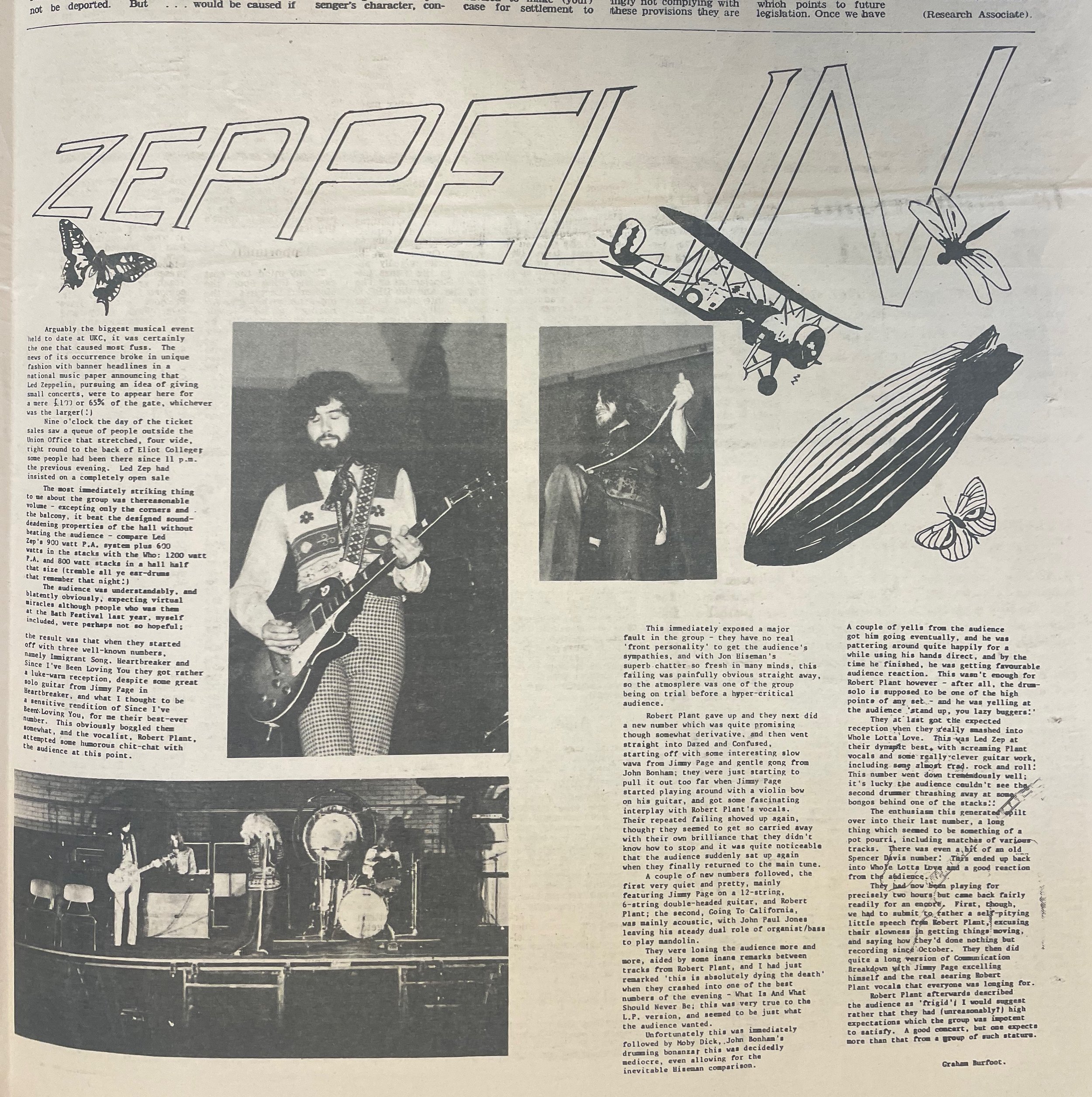
ANOTHER ASTERICK-AWFUL DANCE! . . . The Yardbirds and Led Zeppelin – University of Kent 1967 and 1971

I’ve eaten a good many meals in Rutherford Dining Hall, the idea of Led Zeppelin playing there, as rumour had it, seemed as fanciful as them playing the even smaller venue Bridge Place Country Club (now a restaurant) in a village near to Canterbury. I’ve been there once and I can’t figure out where they would have played – all the rooms seem entirely inadequate for a rock band. . .

The Who had played Eliot Dining Hall the year before, which is the same size as Rutherford, holds approximately 600 bodies, but then, as it turned out, the event took place in the Sports Hall and not where I bought chips and beans.

The gig was part of Zeppelin’s ‘Back to the Clubs’ tour and their sixth UK jaunt, the idea was to reconnect with their audience. . . . which Robert Plant, at least for this reviewer, singularly failed to do . . .

Back when they played in Bridge in December 1968, Zeppelin were billed locally as ‘The Yardbirds’, possibly the last time they were promoted as such in Britain.

Before the three original Yardbirds up and quit on him in the Spring of 1968, Jimmy Page had played alongside Keith Relf, Jim McCarty and Chris Dreja for the University’s Summer Ball, 1967 . . . Their performance was slammed in the student paper InCant.

No Ball!

NOT AGAIN! YES, AGAIN I’M AFRAID – ANOTHER ASTERICK-AWFUL DANCE!

The really significant word in the above statement/exclamation is ‘Dance’. Friday the 2nd of June was to be the University of Kent at Canterbury Summer Ball. What we actually got was a rather upper-second-rate hop.

What price non-culmination? About £200 in the red! Much of this debt probably due to the £300-odd paid for 50-minutes’ ‘worth’ of un-danceable Yardbirds.

To cap it all, the buffet served day-old lemon mousse . . . . the horror

In defence of The Yardbirds, there were complaints about nearly every band subsequently booked for freshers week or the end of year ball. You couldn’t dance to any of them and they were always too loud and money was inevitably lost . . . Of all the bands who played the University in the 1960s and first half of the 1970s – Manfred Mann, Kinks, The Move, Procol Harum, Ten Years After, The Who – only Fairport Convention, twice, turned a profit. University gigs were subsidised and always ran at a loss, but lemon mousse, at least, was never again on the menu . . .

The Who Left The Campus Stunned – University of Kent (May 16, 1970)

“Darling, they’re playing our song . . .”

A week before the release of Live At Leeds, The Who played Eliot College Dining Room, University of Kent, on Saturday May 16, 1970. Capacity around 600. It would be the last University pick-up gig they would play before the big American money rolled in and made such intimate appearances redundant.

Published lists give the date of this gig as Friday May 8 but that show appears to have been cancelled and rescheduled for the 16th.

“THE two hour performance given by The Who on Saturday night must rate as one of the most memorable events ever to take place at U.K.C. The total effect of the volume of sound, musical violence and the sheer brilliance of The Who, seemed to leave the campus stunned and drained of energy for days afterwards.”

The reviewer was genuinely beside himself and the occasion deemed significant enough for the student paper, InCant, to devote a whole page to the review. The uncredited photographs are the best that the paper ran of any of the many live events at the University.

Two attendees of the show took a little pause and moved past immediate impressions to give voice to what would become The Who’s defining characteristic post-Tommy, nostalgia

InCant (June 17, 1970)

“the whole evening was pervaded with an air of unreality, an air which surely is present at a Judy Garland comeback or an Alamein reunion, where the audience sit on the edge of their seats waiting for ‘Somewhere Over the Rainbow ‘or ‘The White Cliffs of Dover’.”

But if the sense that The Who were trapped by their own history and the demands of their audience, a bigger concern was with rock’s solipsistic turn:

“The mistake so many progressive groups make is to ‘intellectualise’ their music, to make it intricate for intricate’s sake”.

Ann Le Sauvage and David Rooney’s final point in their letter perfectly encapsulated the state of play:

"The Who seemed an image from the past simply because they played to and for their audience and not for themselves; the fact that this is a point at all, illustrates completely our disillusionment with today's popular music”.

Third generation rock and roll could not come soon enough. . . but meanwhile you could play pinball

“Playing pinball is a challenge to modern society. It is man versus machines. You try and beat the machine”.

“Playing the machine is a good analogy with life. You lose most of the time, but you do get occasional replays”.

“I think you find mainly scientists using the machines – they are more neurotic and that’s why they play”.

InCant (March 18, 1970)

One More Questionnaire: Carm Deleff aka Marc Bolan

AMBITION: to make the transition . . . How many questionnaires did Bolan complete over the years? By 1975 he was a past master at the game and this must be among the best (NME August 30, 1975). OCCUPATION: interior mental decorator. That’ll do me . . . HOBBY: Snurding. Yeah, mine too! And he was always THE Mod – CRIMINAL CONVICTIONS: Stealing a G.S (scooter). Go ahead and dig in while you chew on some alligator steak

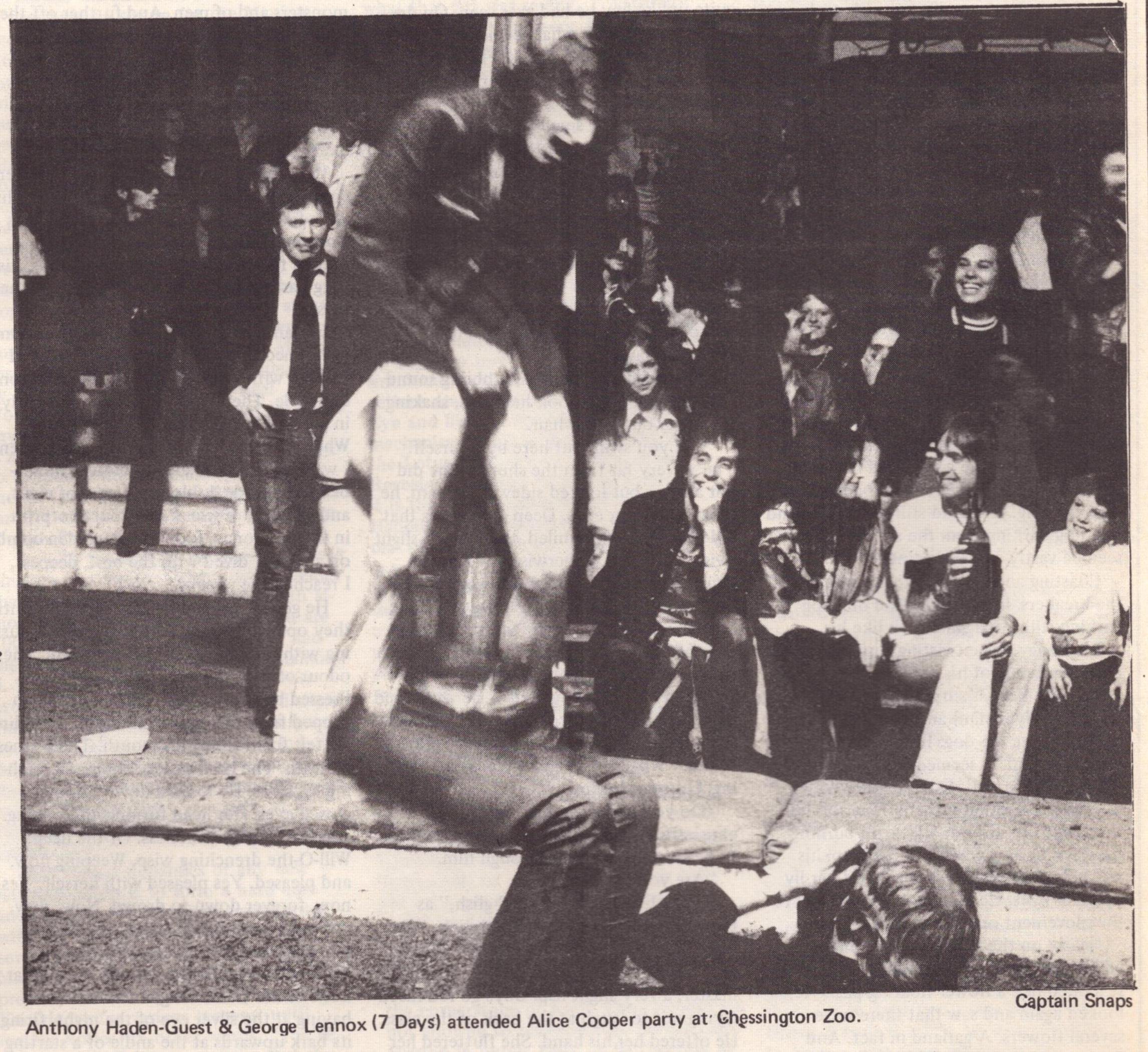
Riding the Circle Line to Ladbroke Grove with Alice Cooper

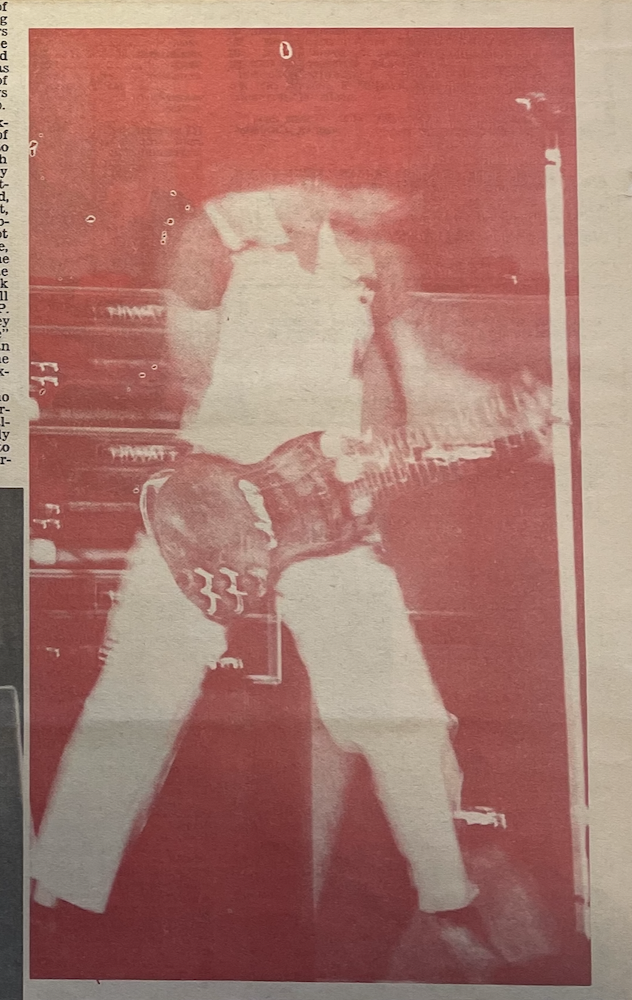
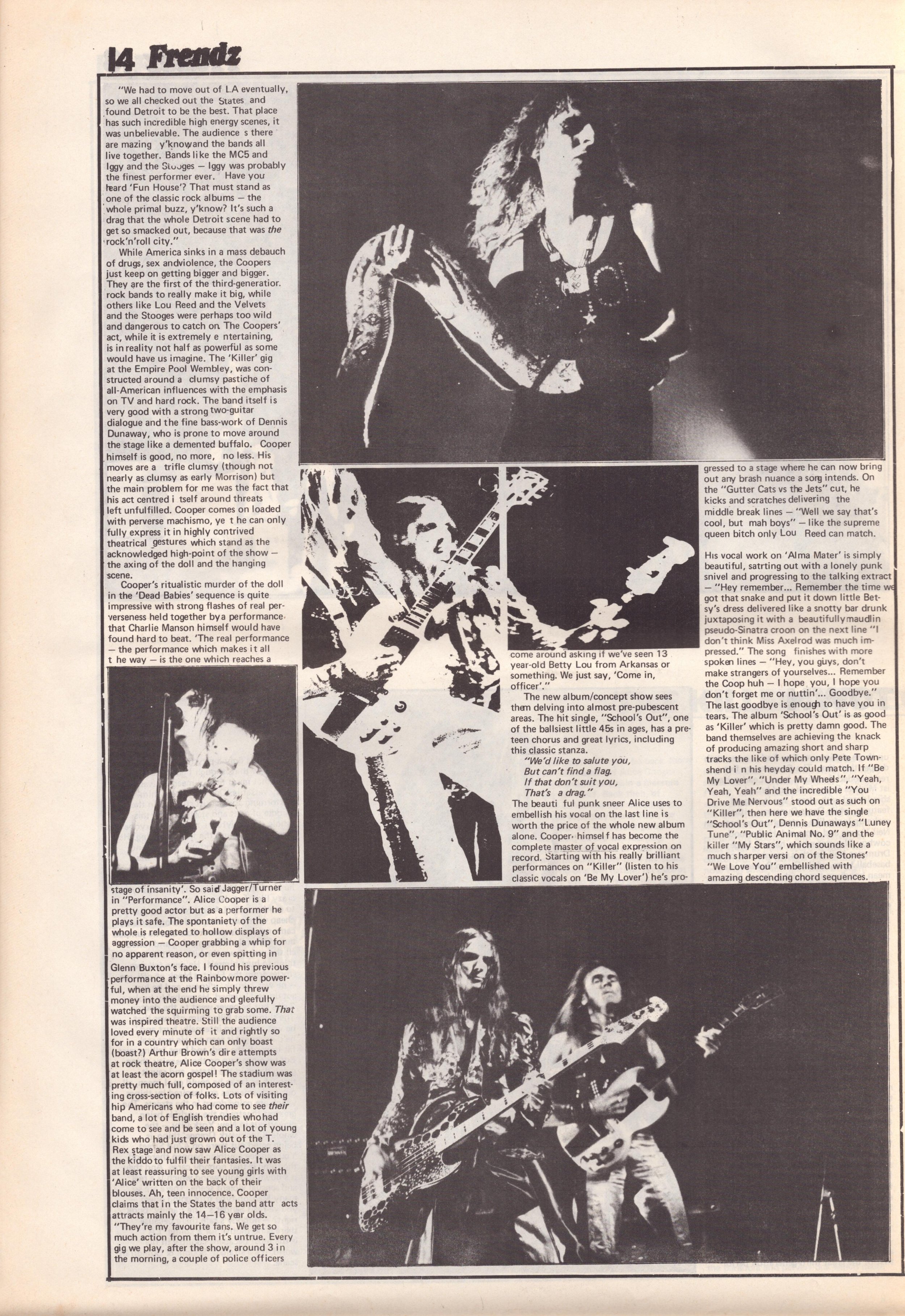
Before Alice Cooper became the big thing and media darlings with ‘School’s Out’ their core appeal in Britain was to freaks and rockers. What you have here is a few choice cuts from before the deluge that mostly focus on the underground press, Frendz and IT in particular. Here’s what Mick Farren and Nick Kent, among others, had to say about the band who ‘act as a mirror – people see themselves through us’.

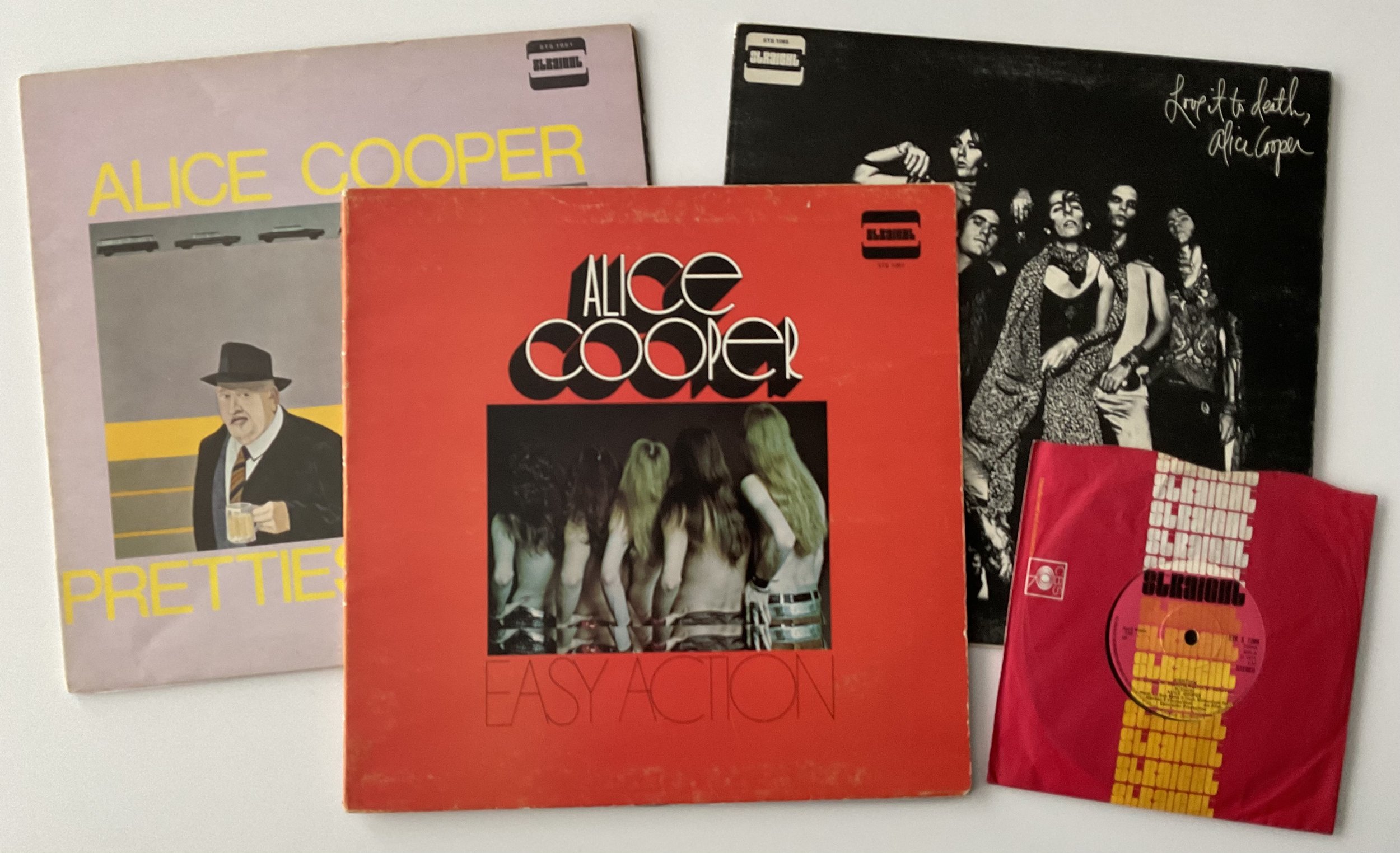
Alice Cooper’s CBS distributed Straight label UK releases

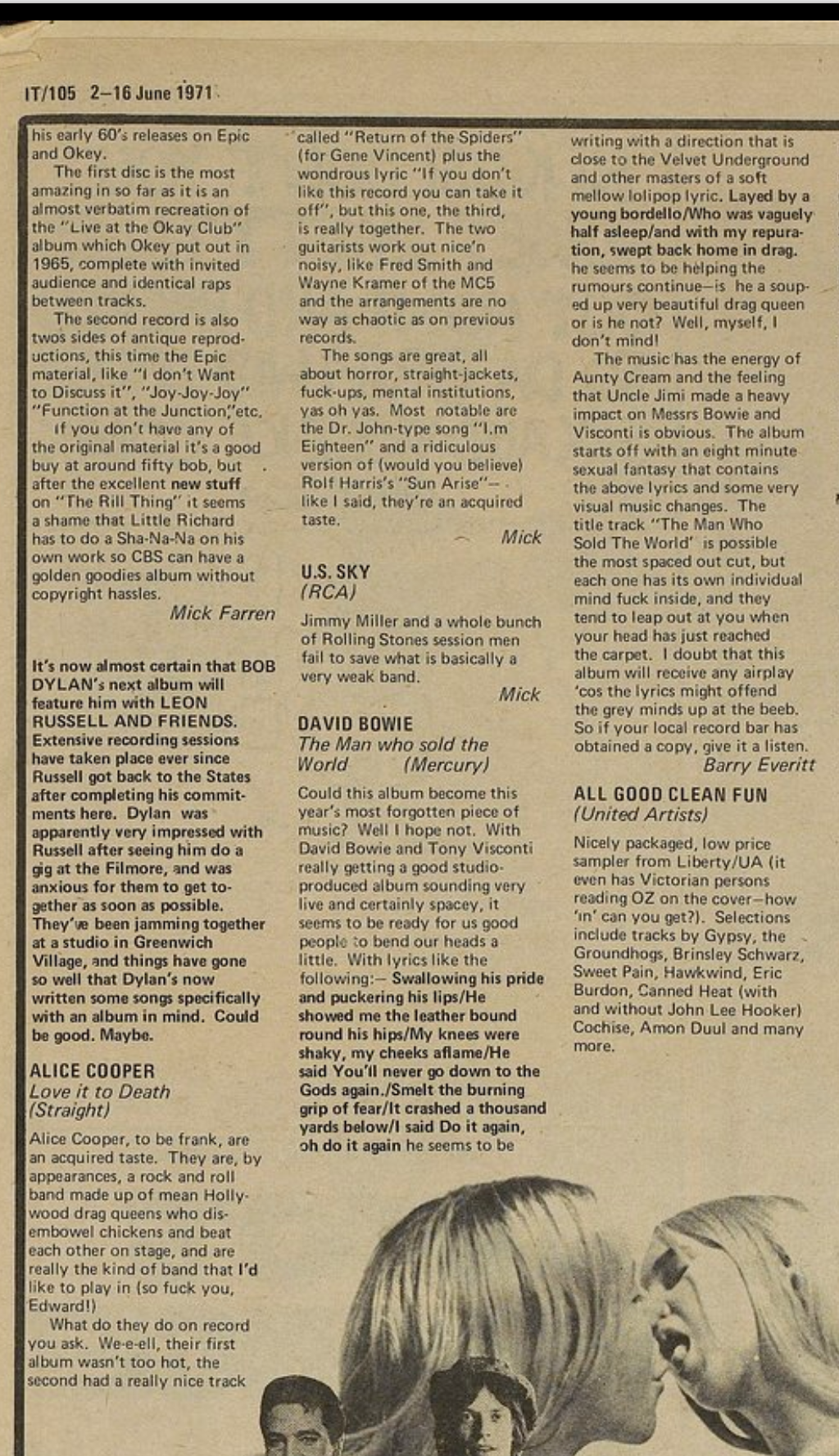
‘a rock and roll band made up of mean Hollywood drag queens who disembowl chickens and beat each other on stage, and are really the kind of band that I’d like to play in’ – Mick Farren

Greg Shaw, Jukebox Jury Creem

Greg Shaw thinks it is all about the Stooges, he wouldn’t be the last

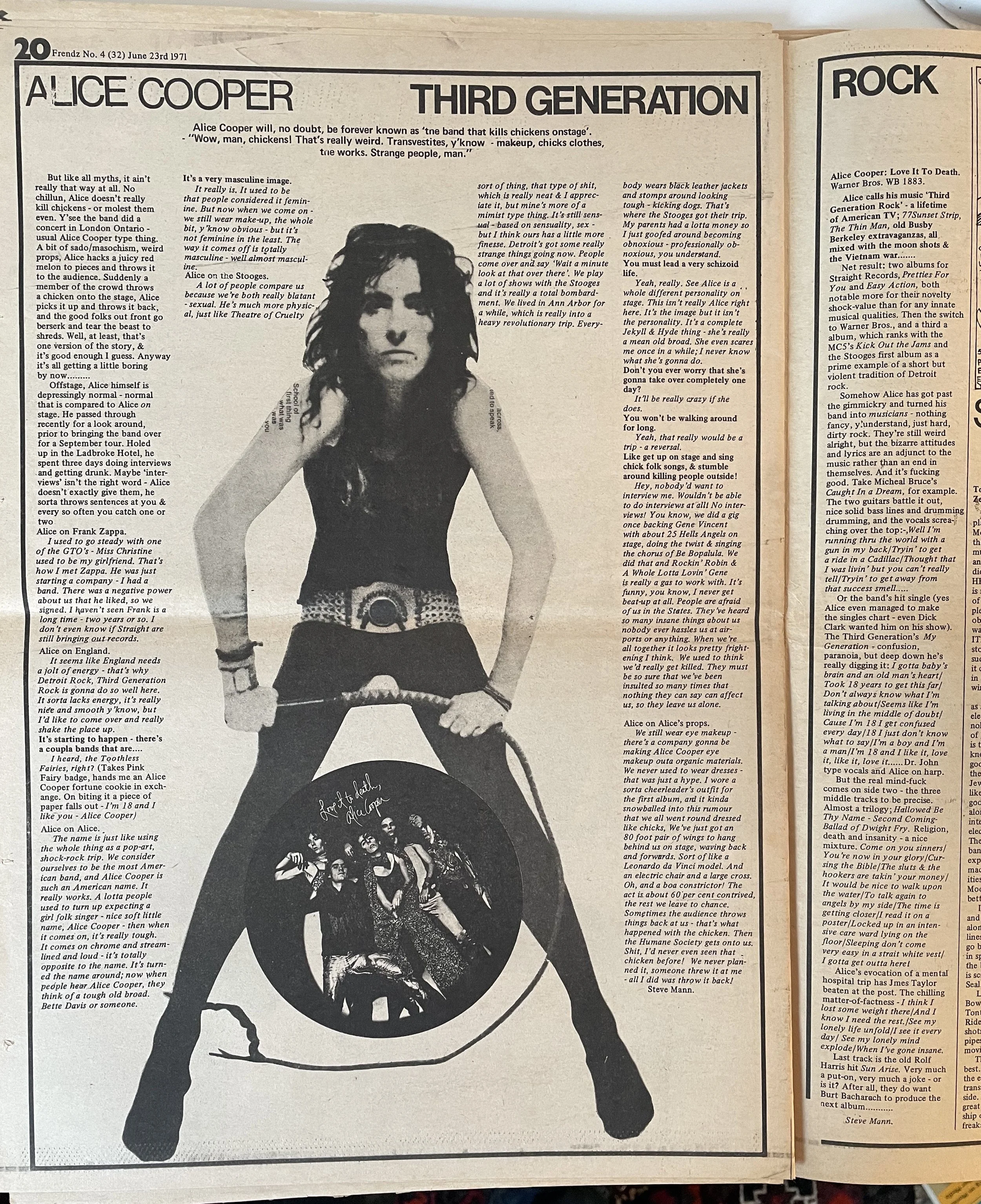
You wanna know all about third generation rock n roll then look no further . . . . Alice with Steve Mann in Frendz

. . . some more third generation proselytising with Jamie Mandelkau in IT

“Got me so hot I could scream . . .”

‘Alice Cooper are supreme pooff rock . . .’ Mick Farren at his most lazy, touting the consensus.

John Peel, Singles: Disc and Music Echo (March 25, 1972)

‘This really is an odd group to come to terms with . . .’ – John Peel

All change and mind the gap: ‘The sight of rocking hordes of 12+ boppers at Alice Cooper’s Wembley concert would seem to prove that his efforts in the direction of bizzaro teen appeal are paying dividends’. – Mick Farren

Below, Myles Palmer, on the eve of the Wembley concert, gives a perfect summation of where things then stood . . . a worthy quote line in every paragraph, but the conclusion will do: ‘As music it’s not half bad, as showbiz it’s riveting and as trash it is absolutely incomparable’.

Dave “Boss” Goodman arrives late to the party . . . While Nick Kent gets the scoop on the Coop after Wembley (July 1972):

While America sinks in a mass debauch of drugs, sex andviolence, the Coopers just keep on getting bigger and bigger. They are the first of the third-generation rock bands to really make it big, while others like Lou Reed and the Velvets and the Stooges were perhaps too wild and dangerous to catch on The Coopers act, while it is extremely entertaining, is in reality not half as powerful as some would have us imagine.

The Final Fall Into Depravity – New York Dolls Play Warwick

“Yes dahhhlings they’re here. Divinely decadent, superbly sexy, long, lean and licentious – dig this if you can”

Two great plugs for the Dolls in the Warwick Boar, University of Warwick’s student rag, for their show on November 22, 1973 . . .

Given that the text mentions Billy I’d bet it is cribbed from somewhere or other, but it is great advertising copy regardless . . . Below, an editorial from the the same issue draws a parallel between the Dolls and George Melly, which I for one full approve of. . . an encouragement to moral laxity. Let the debauchery begin

Well, did Bert Jansch turn up?

Lesson #2: How to piss off progressive rock fans

Its Inmates Absurd: The Velvet Underground at the University of Kent 1971

“After about the first two years we got talking. . .”

– Maureen Tucker on rehearsing with the Velvet Underground

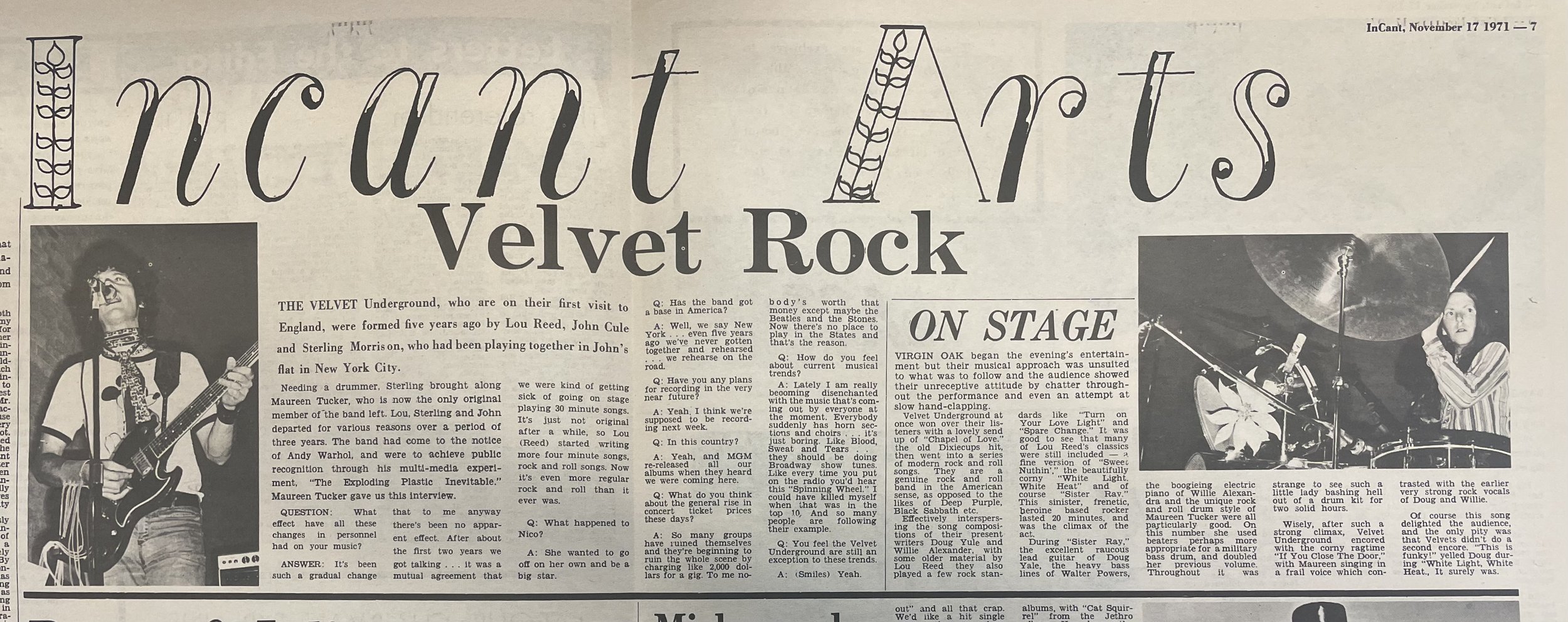
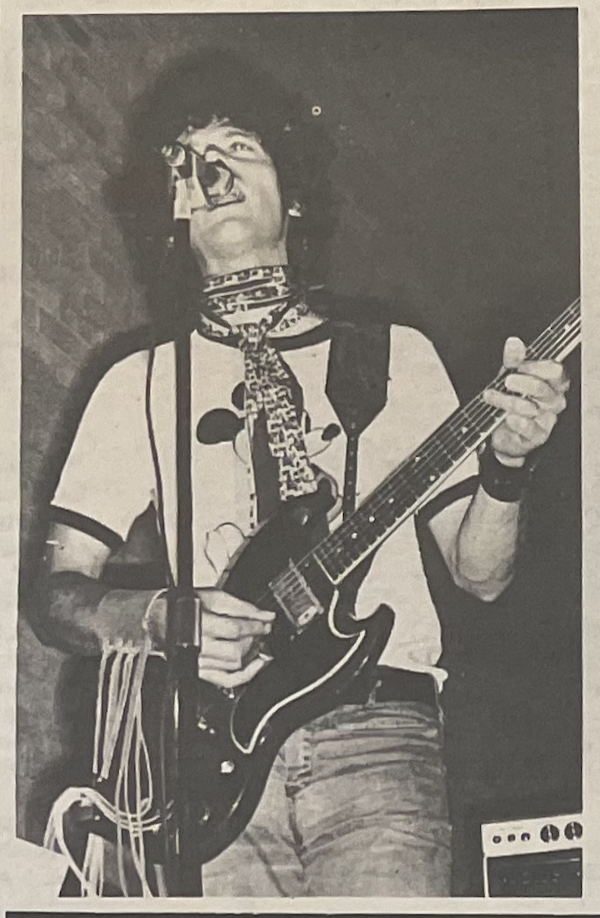
As a live proposition, The Velvet Underground, sans Lou Reed, existed for an improbable 2 ½ years, which included two tours of Europe in 1971 and 1972. In England, Autumn 1971, most of their gigs were on the burgeoning university and college circuit. On November 4, they made an appearance at the University of Kent. The big recent attractions on campus had been The Who, Eliot Dining Hall, May 1970 and in March 1971, in the Sports Hall, Led Zeppelin. More generally, student entertainment was provided by middle-ranking progressive rock bands – Mick Abrahams, Colosseum, Blodwyn Pig and local heroes Caravan. Kent alumni Spirogyra were an ever present feature. In all likelihood, the bookers thought the Velvet Underground would fit right into this scene. For their drummer, Maureen Tucker, the VU were always the exception to such trends.

The Velvets performed in the Rutherford Dining Hall to a positive response, if the reviewer for the student paper InCant was any indicator. He or she considered them to be a ‘genuine rock and roll band in the American sense, as opposed to the likes of Deep Purple, Black Sabbath’. The reviewer delighted in their choice of covers ­ – Dixie Cups’ ‘Chapel of Love’ and standards ‘Turn On Your Love Light’ and ‘Spare Change’. Lou Reed songs ‘Sweet Nuthin’, ‘Sister Ray’, ‘After Hours’ and, the ‘beautifully corny’ (!?!), ‘White Light/White Heat’ were highlights, with the latter described as ‘funky’ by Doug Yule. InCant’s critic agreed.

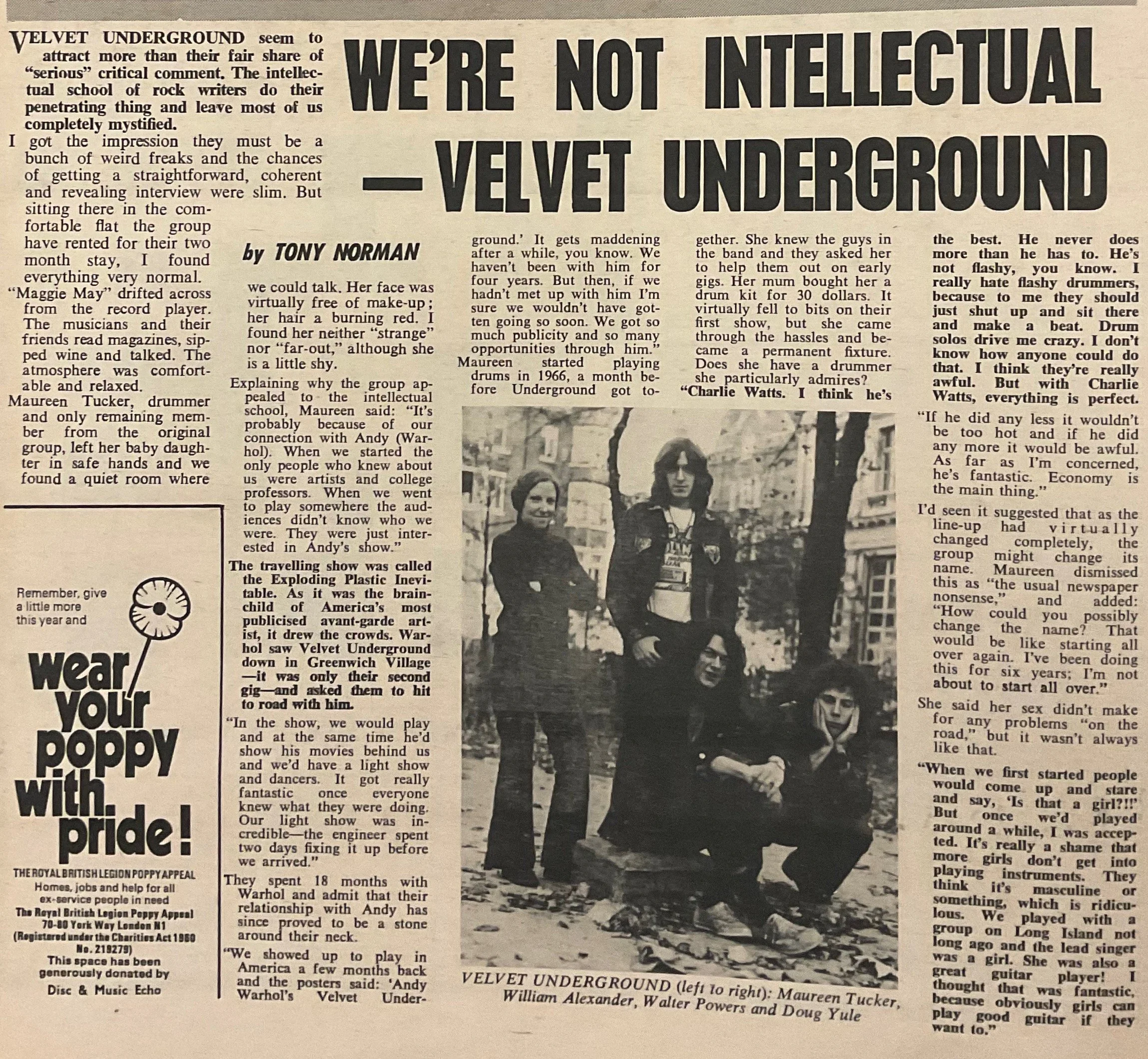
The interview with the only original member of the band, Maureen Tucker, is a peach. Asked about the shifts in the line-up, she said:

It’s been such a gradual change that to me anyway there’s been no apparent effect. After about the first two years we got talking . . . it was a mutual agreement that we were kind of getting sick of going on stage playing 30 minute songs. It’s just not original after a while, so Lou (Reed) started writing more four minute songs, rock and roll songs. Now it’s even more regular rock and roll than it ever was.

What happened to Nico? She wanted to go off on her own and be a big star

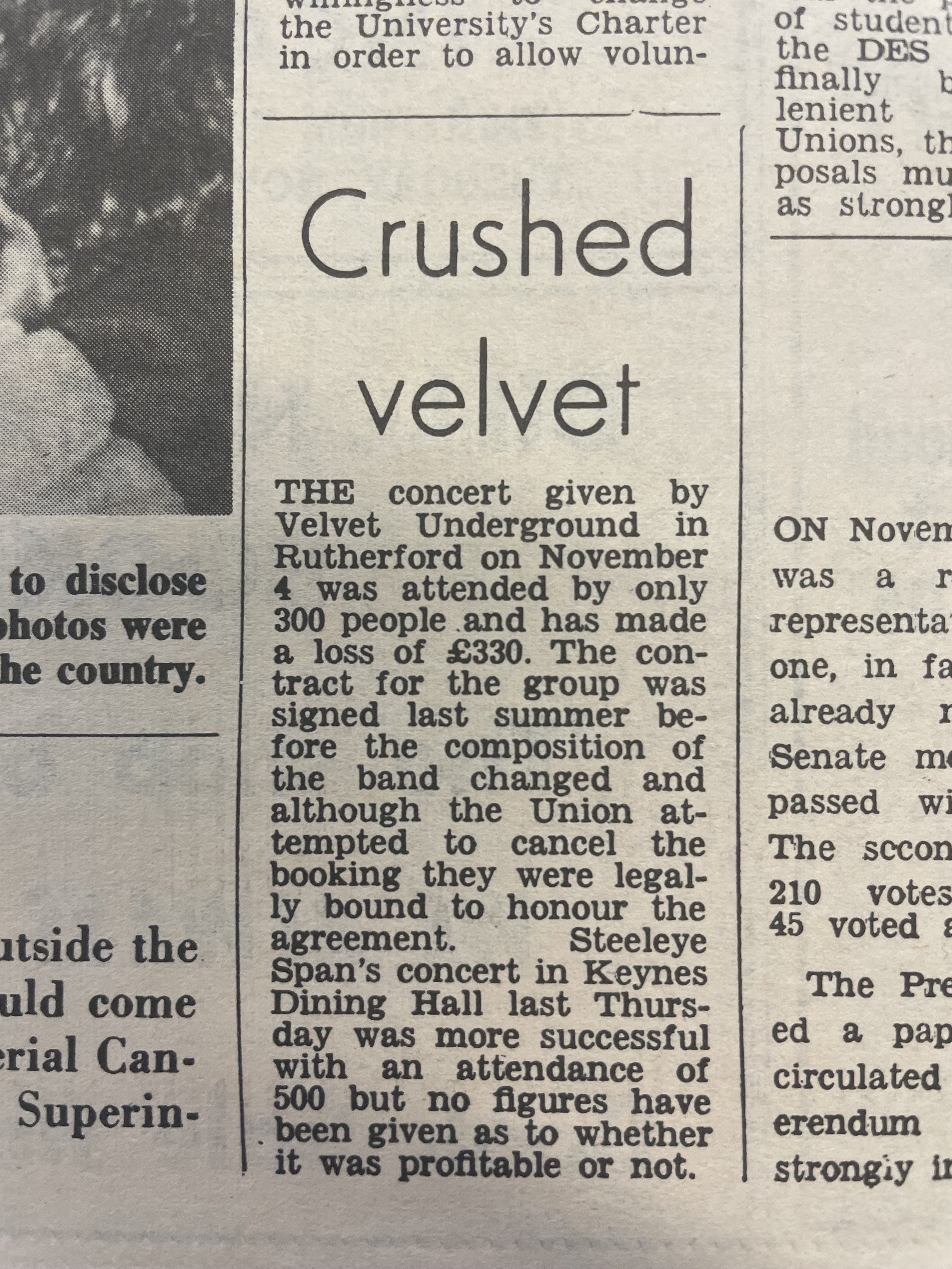
Like most of the events held by the Student’s Union, The Velvet Underground gig lost money; the organisers putting lack of interest, it was suggested, down to the fact the band’s line-up had changed. On that basis they had tried to cancel but were unable to break the contract. Steeleye Span proved to be a bigger draw.

Back in April 1971, student Helen Chastel had provided InCant with a review of Loaded, soon to be released in the UK. It is one the best summaries of the VU I’ve read.

Proposition: for consistent and versatile genius in rock the Velvet Underground (or V.U.s to the cognoscenti) are equalled only to Dylan and the Stones. Don't ask questions if you dispute it, write your own review. If you deny it, you are a Quintessence or Andy Williams fan and not worth bothering with.

Helen clearly didn’t think they belonged with the progressive mediocrities. She was a total fan, she’d bought her copy of Loaded in Washington last Christmas while on an exchange to the States and she knew someone who knew Lou Reed – ‘virtuoso extraordinaire, ex-child prodigy, now repudiator of drugs and hippies, mythical recluse . . . Sainthood is all in the mind.’

How many recognise themselves in the line ‘The deep sleep of a suburban upbringing can be shattered by sudden exposure to such a group’? Faced with VU & Nico, Helen ‘saw darkness of which I knew nothing, saw an extreme weariness, people born to die. Eliot (her college at Kent) life became petty, its inmates absurd.’ Reed, she wrote, had a ‘clear and cliché-less view of modern city life’, White Light/White Heat extended even further ‘into a chaos of light, blood, heat and noise . . . The third album is a surfacing, a return to verbal precision’. . . Lou Reed, Saint of the City. Helen Chastel, Saint of VU fans. . .

On that same tour of British Universities, the VU entertained Warwick University’s student cohort. COMUS providing support (they also played at Kent in May 1972). Ad and review from the Warwick Boar student paper

‘The Velvet Underground from whom great things were expected . . .’ Like at Kent, attendance fell below expectations.

Disc and Music Echo (November 6 1971)

Where The Who and The Velvet Underground Meet: John Hofsess' Palace of Pleasure (1967)

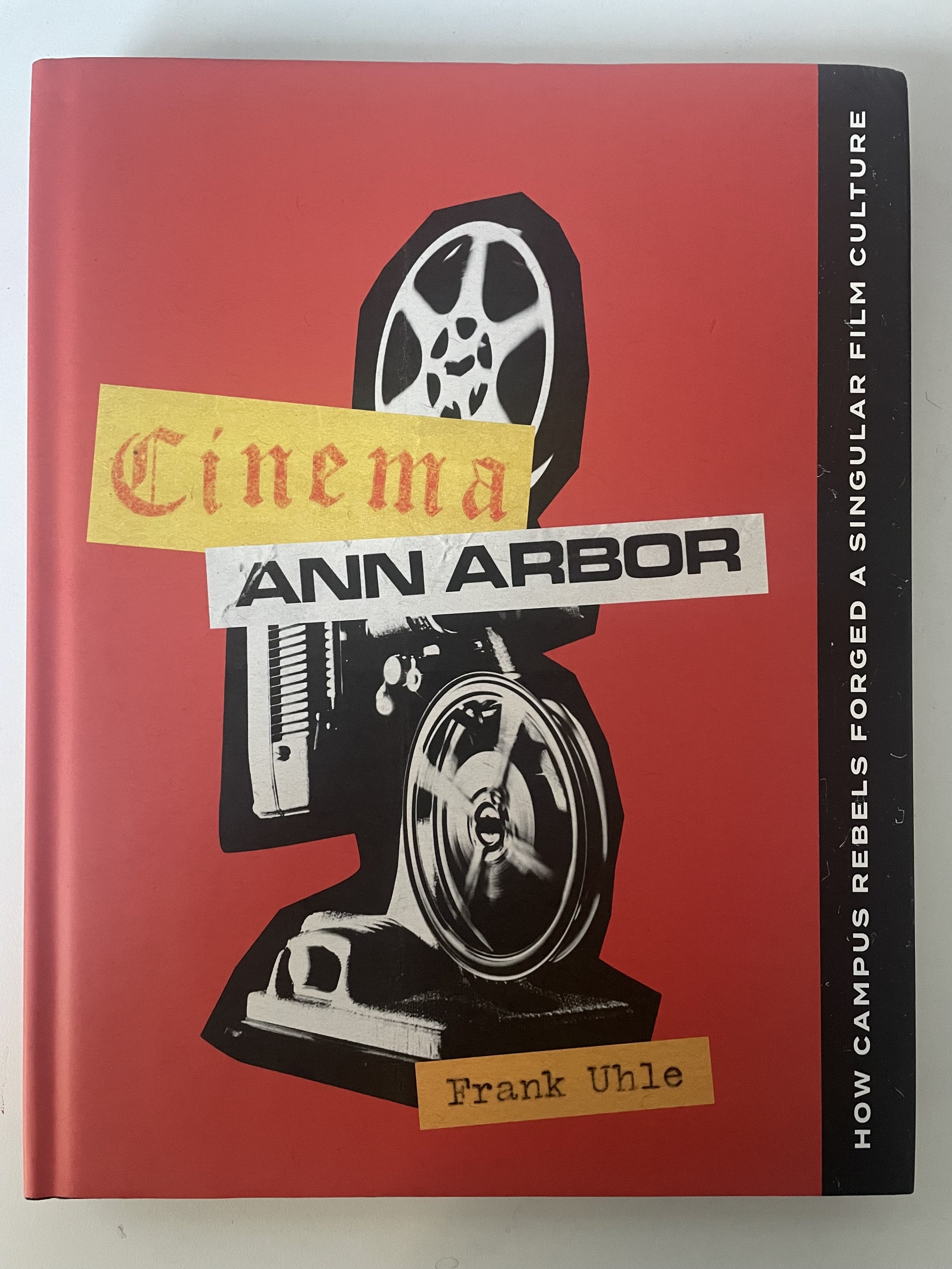
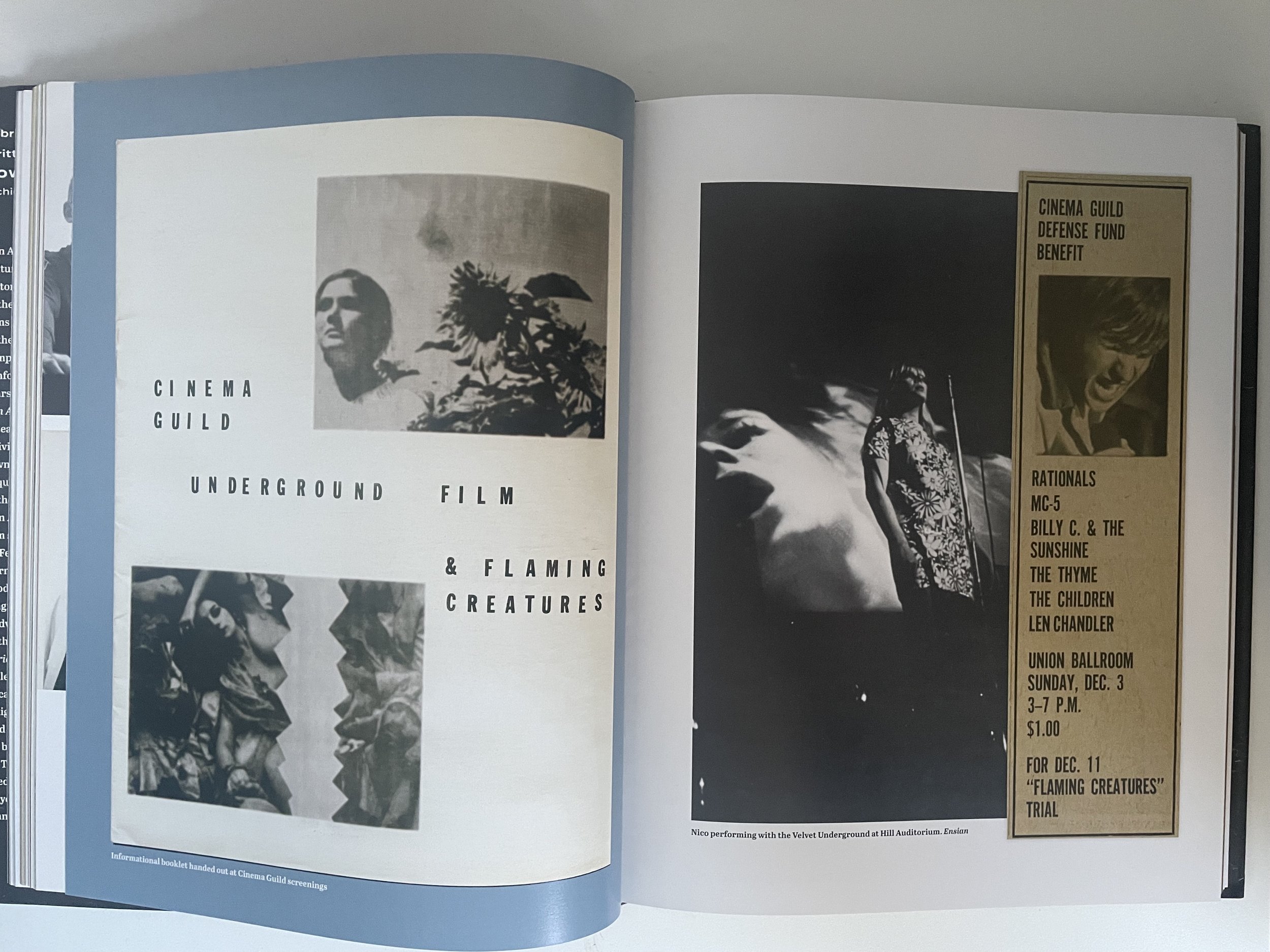
Inspired by Frank Uhle’s history of Michigan’s campus film societies, Cinema Ann Arbor (2023), I went browsing in the pages of The Michigan Daily. It’s a great resource for anyone with an interest in many of the topics this blog gets obsessed with [HERE] and it’s guaranteed to give up more than a few unexpected delights. A search for the ‘Velvet Underground’ produced among many things an advert for John Hofsess’ Black Zero: screened on October 17–18, 1968 as part of the ‘Underground at the Fifth Forum – Flicks & Jams’ programme – ‘poetry by Leonard Cohen and music by Velvet Underground’ was used to elevate the film’s attraction (and my interest).


Canadian filmmaker Hofsess and his kaleidoscopic experimental film were new to me.

Black Zero was described in the advert’s blurb as ‘an underground feature in color which demonstrates that split-screen dual projection can be used more creatively than in Chelsea Girls’. Also included were three lines of press hype: ‘A masterpiece! The finest experimental film in two generations – Boston Avatar. ‘This 1st prize winner is without question a sexual art’ – Vancouver Sun. ‘Filled with indescribable terrors and beauties! – London Free Press

I went looking for those indescribable terrors and beauties . . . I didn’t find an on-line stream but there are enticing extracts, with critical commentary, that are being used to promote a recent blu-ray release of Hofsess’ small catalogue of film works [HERE]. Palace of Pleasure features and pairs, as intended by Hofsess, Black Zero with the earlier Redpath 25.  The original soundtrack is provided by The Gass Company, another unknown, but they have Reed and Morrison’s guitar sound down pat, best heard in Redpath 25. In Black Zero, their instrumental sections feature a Cale-esque viola drone that seamlessly segues into the real thing with the VU’s ‘European Son’ followed by ‘I’m Waiting For The Man’. Hofsess had a good ear.

When his film was screened in Los Angeles in January 1968 it was billed with Ron Nameth’s Velvet Underground: Exploding Plastic Inevitable, which cemented a link with Warhol. Palace of Pleasure, however, is more than that relationship — it is a lexicon of contemporary experimental cinema; equally infused with Jack Smith’s Flaming Creatures, Stan Brakhage’s abstracts and Kenneth Anger’s oeuvre. Such a lineage should demand that the film be better known, but I’ve failed to find anything in the key histories of the avant-garde. Maybe Jonas Mekas and his peers didn’t take to Hofsess, finding him too derivative. But if cinephiles have ignored or remained ignorant of the film then rock’s cultists should surely have found their way to make the work more visible, especially as The Velvets are not the only contemporary group featured; their two tracks are preceded by two from The Who’s first LP, ‘The Ox’ and ‘My Generation’, which are played in their entirety across Redpath 25.

Bringing together The Who and the Velvet Underground through the filter of Pop Art is not a difficult move to make – see A Band With Built-In Hate – both Cale and Reed have talked about The Who’s influence on their artful dissonance and songwriting, but to see the two groups tethered to each other in an experimental film is suggestive of a more complex set of aesthetic interconnections, less a posthumous theoretical construct than the actual fact of the matter. You can find numerous historical intimations of a pop/art conversation but none, I think, quite so unmediated as found in Palace of Pleasure. Here, at least, Hofsess’ film is entirely unique.

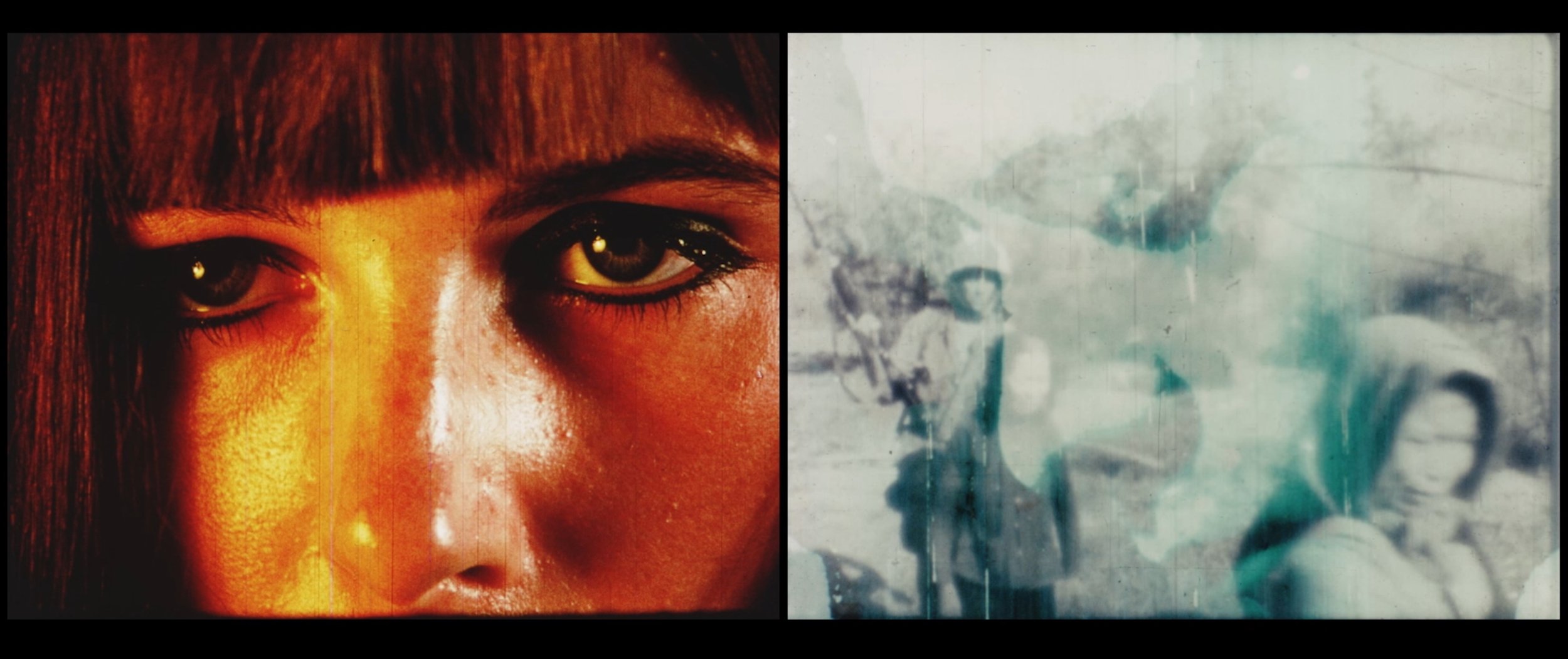
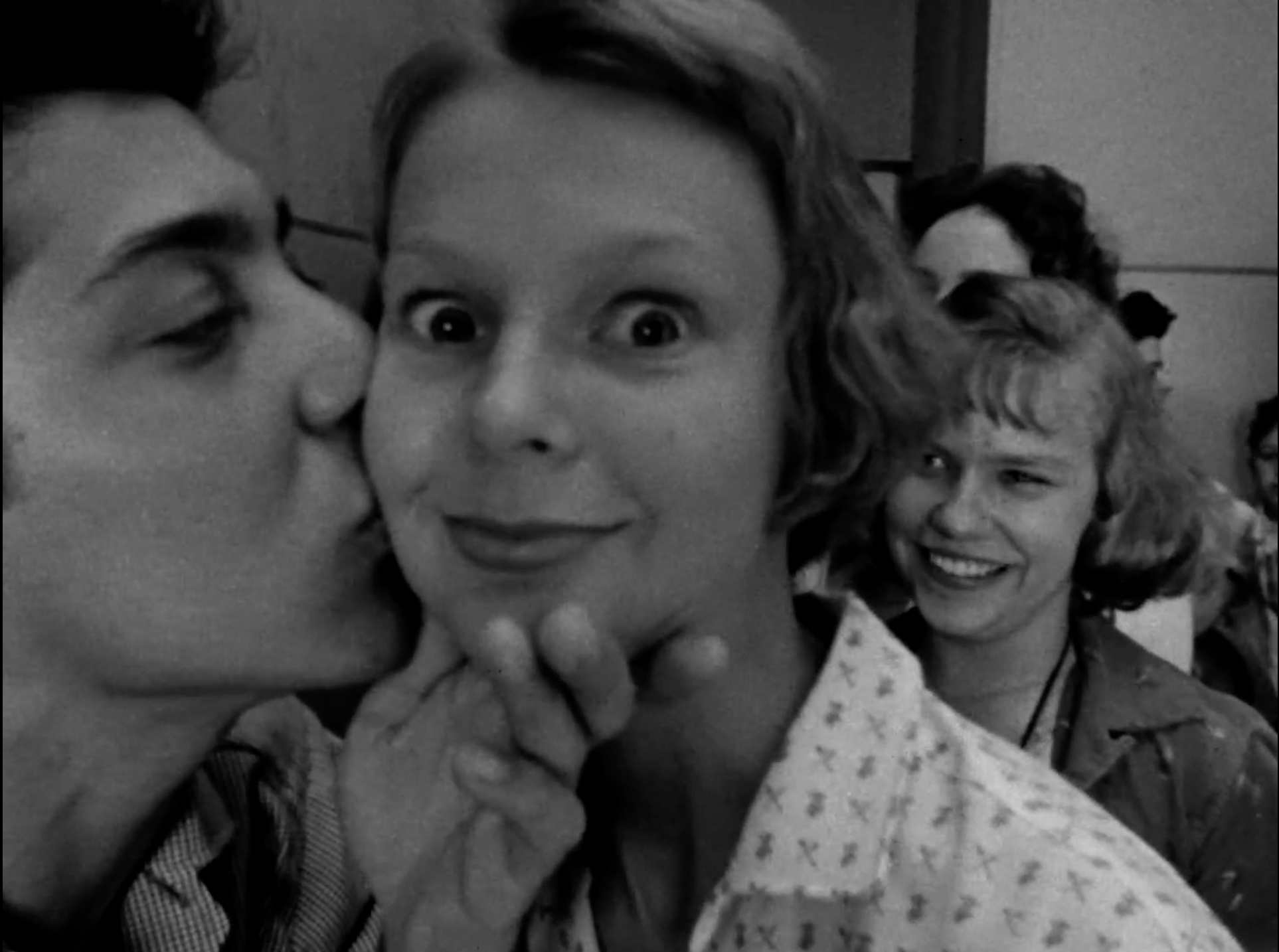
Redpath 25 is the more overtly ‘Pop’ of the two films in its use of a familiar iconography that in one screen focuses on a young woman’s face. Lit by oversaturated red filter, her image strikes a contrast with the monochrome of the Vietnam war actualities projected in the right-hand screen. But, unlike pop art male fantasies that used the objectified figure of a young women to explore cultures of consumption, the fantasia on display here is one of female desire – the woman picks and cuts away at a sheet of silver foil to find packaged behind the film her ideal male lover. Quick cuts to images of male genitals and a view of her fellating the man follow. Meanwhile, masculine fantasies of death and destruction play out on the other screen.

The sonic riptide of The Who’s ‘The Ox’ provides a noisy urgency that tugs away at the passive slow burn of the otherwise inchoate death-obsessed imagery. ‘My Generation’ continues the onslaught but also comments on the film frames that follow of white weddings (and marriages that end in court) – Townshend’s mid-sixties bete noir of young marrieds here made manifest. Leonard Cohen’s poetry carries even more of the thematic weight. Black Zero, with the VU, continues the theme of emotional discord over images of a marital bed occupied by a couple who become distracted from their love making, disengaged from one another, when a second man appears; perhaps the one the woman (and Lou Reed) had been waiting forever to arrive?

Los Angeles Free Press (January 5, 1968)

Los Angeles Free Press (June 7, 1968)

“On the same programme will be John Hofsess’ dual-screen Palace of Pleasure and Ben Van Meter’s outrageous Acid Camp” The latter another film I should probably seek out . . .

Black to Comm – Review Pin-Ups 1972

Really pleased by this review from Black to Comm’s Chris Stigliano on his Blog to Comm pages: here (January 3, 2024):

“You like your old rock papers and mags with all of those flipped out "gonzo" writers who either made you glad or mad? Still have those T. Rex singles snuggled in your collection? Did you get your fashion tips from Lisa Robinson's "Eleganza" column (or, if you were a Clevelander, Charlotte Pressler's "Pizzaz")? Well, this one one book, and perhaps one of the ONLY ones extant, that will tell you the plain and simple truth that you were right all along!”

UGLY THINGS – The Creation: In The Beginning

Very pleased to have a feature article in the latest issue (#64) of the great Ugly Things

Copies can be had from here – direct from the publisher or with cheaper shipping in the UK from 14th Floor Music here

There was a small formatting glitch in the print edition and a column of text went AWOL. So, if you’re interested in what Penny Valentine had to say on Ealing’s finest, here’s what’s gone astray:

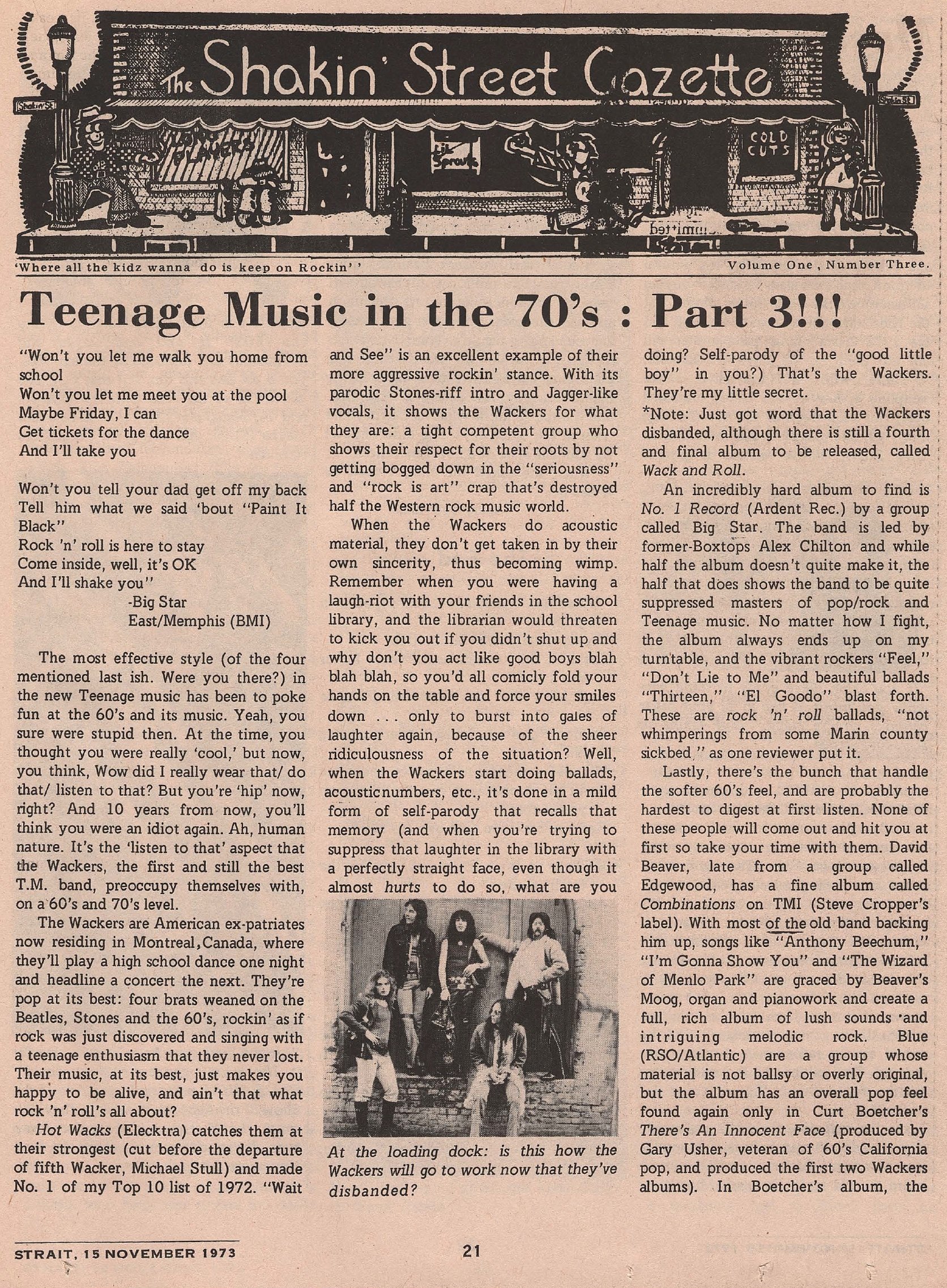
Teenage R 'n' R: The Shakin' Street Gazette

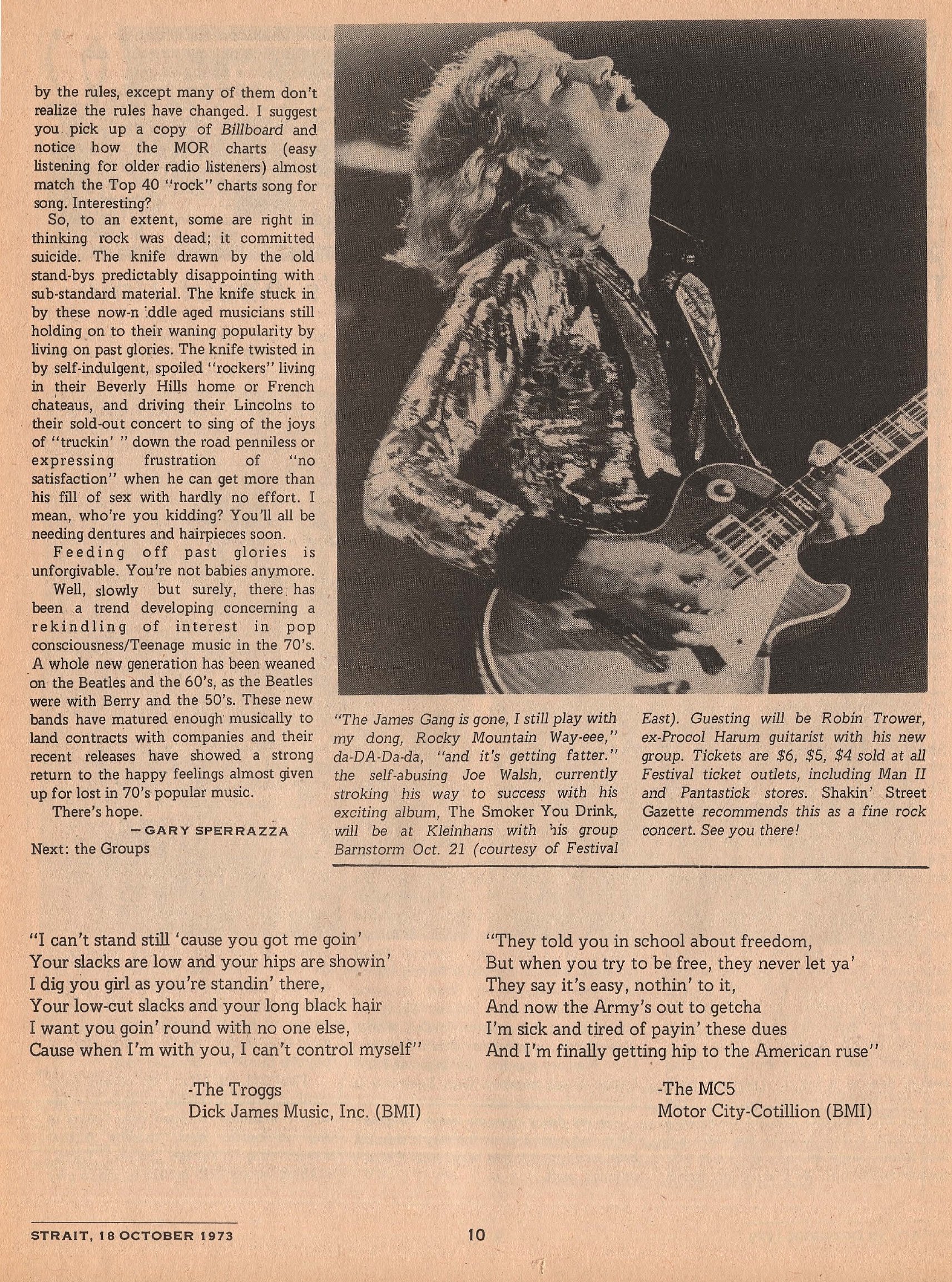
Launched in October 1973, the in-house SUNY Buffalo State student paper, The Shakin’ Street Gazette, (initially part of Strait) opened with an observation and a statement of intent – a manifesto almost, from editor Gary Sperrazza: teenage music, the punk muse, was back.

Sperrazza summarised what has been lost since The Beatles asked to hold your hand and second-generation rock ’n’ rollers edged into middle-age. Things had got baggy and elastic, the sound of ever longer guitar solos . . . commerce, sell-out, musical redundancy were all in play. But . . .

‘slowly but surely, there has been a trend developing concerning a rekindling of interest in pop consciousness/Teenage music in the 70s. A whole new generation has been weaned on the Beatles and the 60’s, as the Beatles were with Berry and the 50’s . . . There’s hope’.

In Part 2 Sperrazza surveyed the group scene, Brownsville Station, The Sweet (he loved The Sweet), Aerosmith and Slade were the tub thumpers, Badfinger, Raspberries and Blue Ash proffered pastiche, while Wackers and Big Star satirised and Blue, Curt Boetcher and David Beaver (who?) got mellow.

That list is hardly inspiring, but as the paper went through its 18 editions some of those names were dropped and a good many others, now very familiar, would be added.

Part 3 opens with the lyrics of Big Star’s ‘Thirteen’, a pitch perfect introduction. Alex Chilton’s band ‘suppressed masters of pop/rock and Teenage music. No matter how I fight the album always ends up on my turntable’.

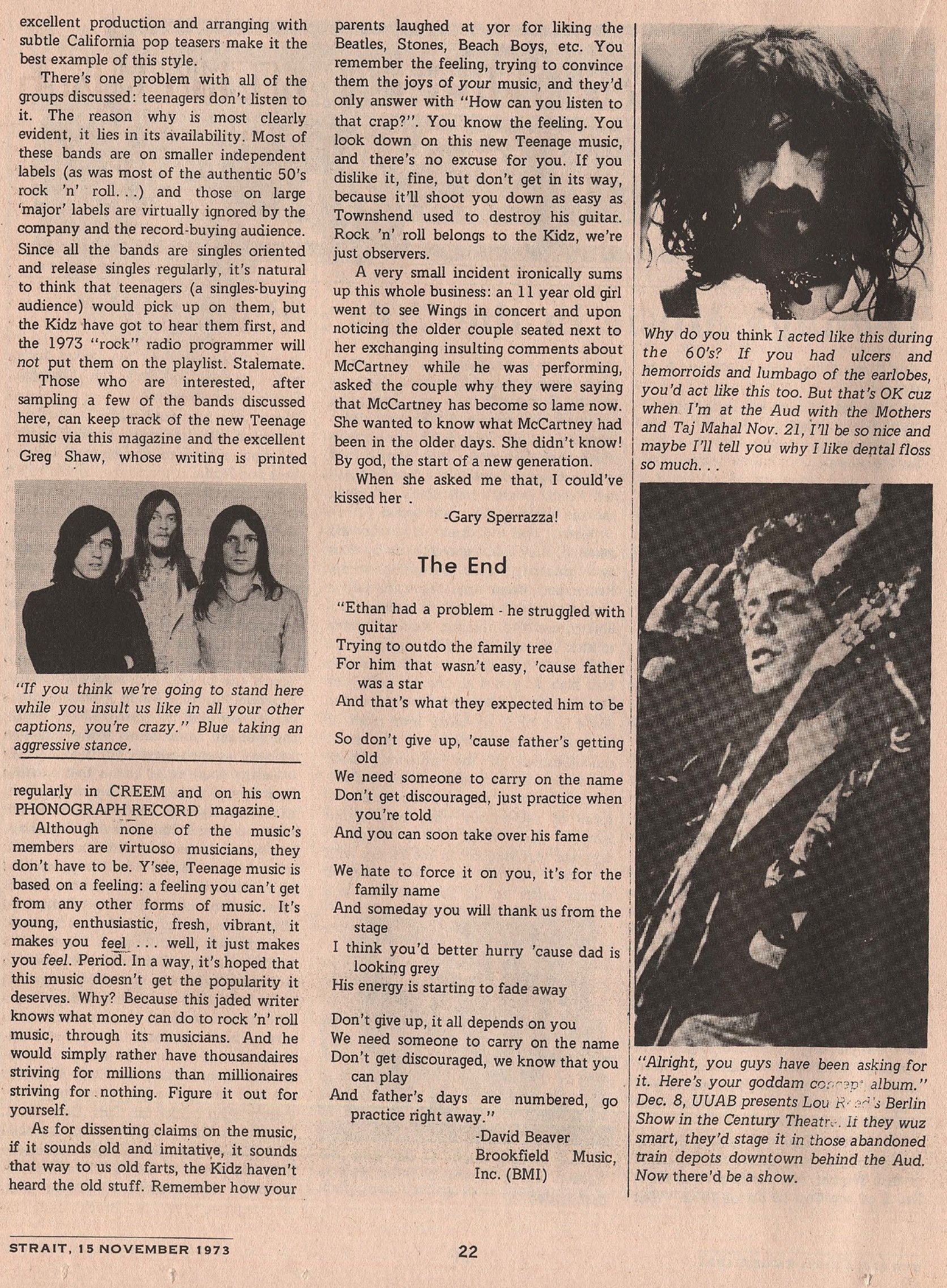
Others interested in teenage music are sent off to read Greg Shaw (Lester Bangs would later climb on board)

‘Teenage music is based on a feeling: a feeling you can’t get from any other forms of music. It’s young, enthusiastic, fresh, vibrant, it makes you feel . . .  well, it just makes you feel. . . figure it out for yourselves’

One of the journal’s better, more amusing, writers, who went for that teenage feel, was Joe Fernbacher

Though the review dismisses the Dolls second album, the image of David Johanson on his arse is too good to pass by, fits so well with Fernbacher’s take on Too Much Too Soon’s shortcomings. Obviously a little enthralled by Richard Meltzer, Fernbacher is nevertheless a total pleasure to read, a lexicon of corporeal profanities:

That first LP was good. Real teenage rectal-mucous stuff . . .it kinda left you in the throes of impending formication horripilation . . . it was male dysmenorrehea . . . it was achromatic sonic devolution . . . it was so rock hard that it went nova, and slipped into anaphrodisiac . . . molah gay . . . coin operated hiney-rimmers. . . They were that and much more.

Fernbacher’s take on Silverhead’s 16 and Savaged is equally swamped in bodily exudations. . .

Some of Fernbacher’s later writings for Creem are archived (here)

Bowie's Pinups: Punkoid Wimpasilic Adulation

From Buffalo State University’s student paper, Strait, in its Shakin’ Street Gazette subsection, November 1973, comes Andy Cutler’s veracious take on Bowie’s Pinups and third-generation rock ’n’ roll.

‘the new saluting the old. What more could we ask for to paint an accurate picture of the current trend in pop music’.

On the way to that conclusion, Cutler sputters out a near half-a-dozen uses of ‘punk’ to describe what Bowie was delineating.

1964–67 British beat is labelled as the ‘English punk scene’, which might well be the first time the term for second-generation American suburban teenage delinquent rock ’n’ roll was rowed across the Atlantic to depict Britain’s most blueswailing.

Bowie’s retrospective take on his formative years is figured by Cutler as ‘neo-punk’, which leaves, even before the fact, the 1976/77 version as post-punk.

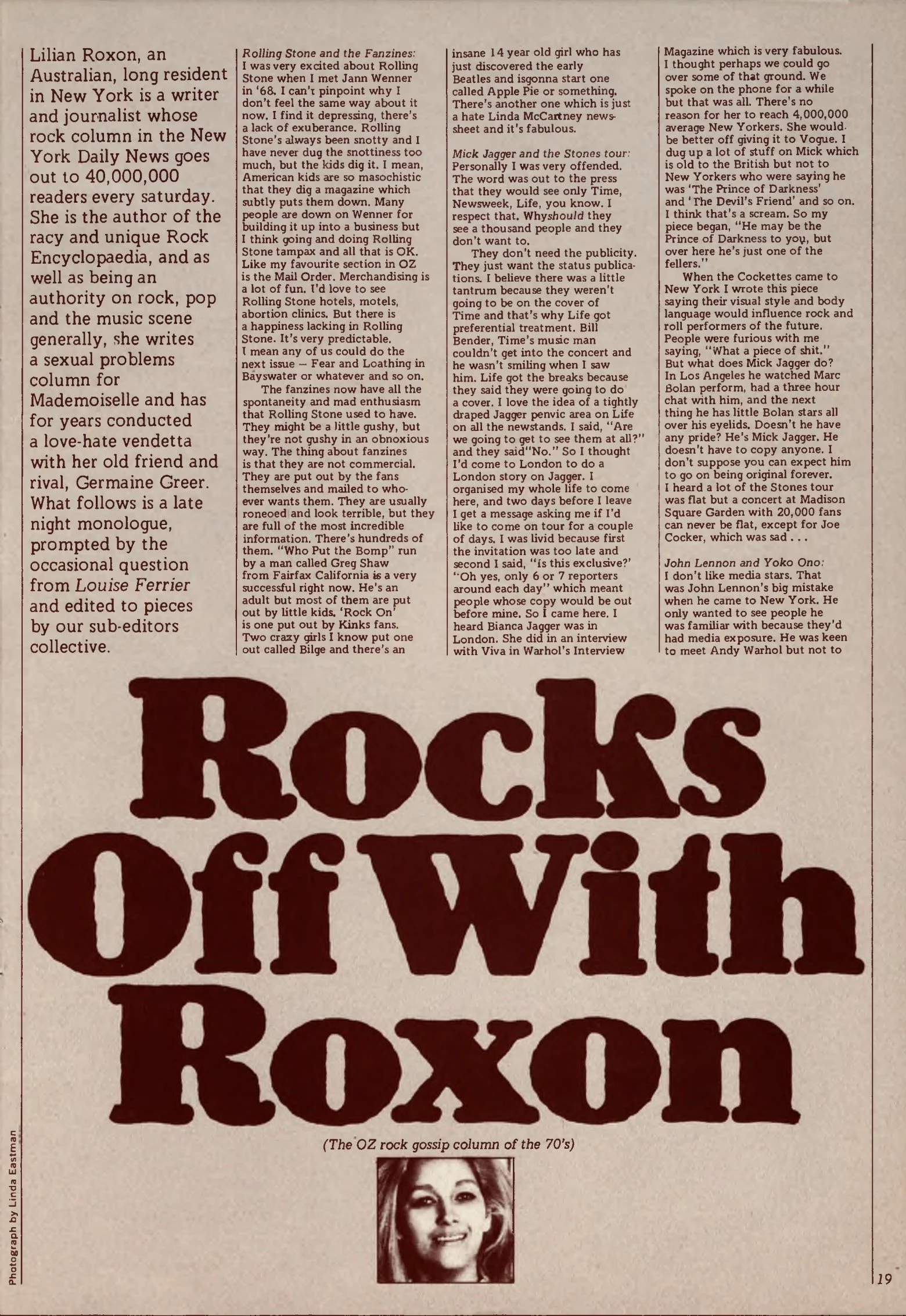
Rocks Off With Roxon: Lillian Speaks to OZ

OZ #44 (September 1972)

A wonderful interview by Louise Ferrier with Lillian Roxon, given while she was in London to take part in the Bowie hype, July 1972.

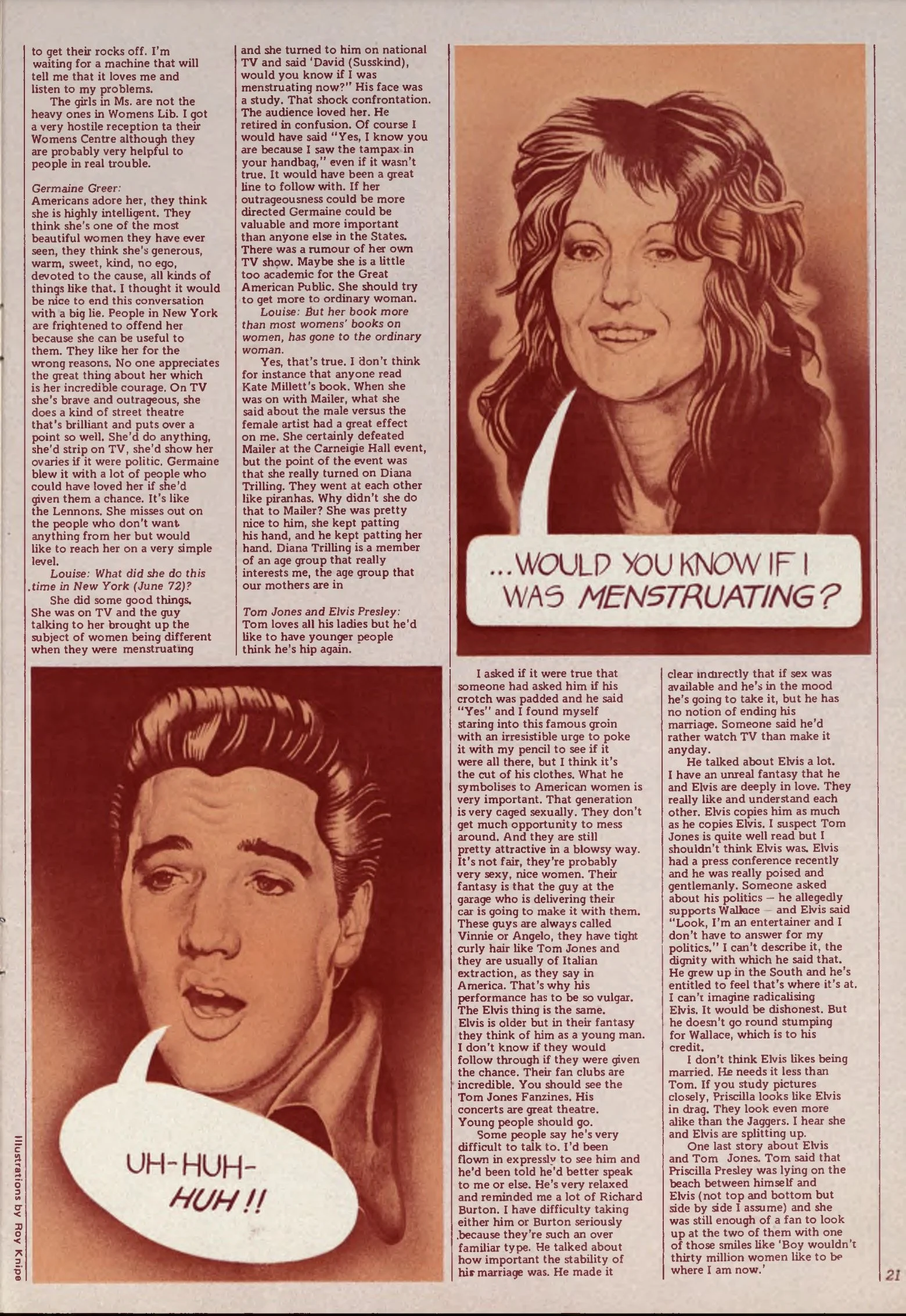
Lillian talks about how quotidian Rolling Stone has become and how fanzines have filled the void it has left, she gives a name check to Who Put the Bomp and Greg Shaw, a thumbs up for a Kinks’ zine, is hip to one by ‘two crazy girls’ called Bilge (gotta read that) and a Linda McCartney hate-zine . . . Mick Jagger’s promo machine . . . The influence of the Cockettes and Marc Bolan on Jagger . . . Lennon and Yoko as media stars . . . Brigid Polk and Warhol . . . Germaine Greer (of course) . . .

On Bowie: ‘I really enjoyed Bowie. I think he is beautiful beyond belief. If you’re going to be a rock and roll star you’d better be beautiful . . . He’s a very sexy act’.

On Lou Reed: He is ‘one of the greatest song writers ever and at the moment is not at the highest point of happiness in his life. I don’t think his performance here would have been his best. His best is unbelievable. He generates incredible excitement’.

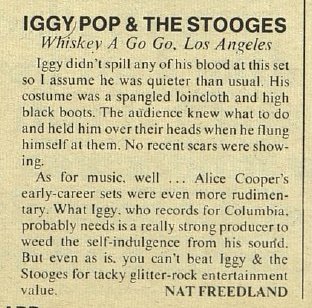
On Iggy Stooge/Pop: ‘The first time you see Iggy it is fantastic, but after that it’s not quite the same. The guy who handles David wants to put him in films. Iggy is beautiful. I would do different things with him. English audiences are just stunned when he does his things like prowling out into the audience’.

On being bitten on her tit by Angie Bowie  . . . on bad sex in NYC . . . better in Boston . . . better still with a vibrator . . . on the cut of Tom Jones’ trousers and his shared love for Elvis . . . and EP on politics . . .

I wonder if the transcript or tape of Louise Ferrier’s talk with Lillian still exists . . . the unedited/unexpurgated version would be something else . . .

New York Dolls: Looking For . . . New Stages in England, 1972

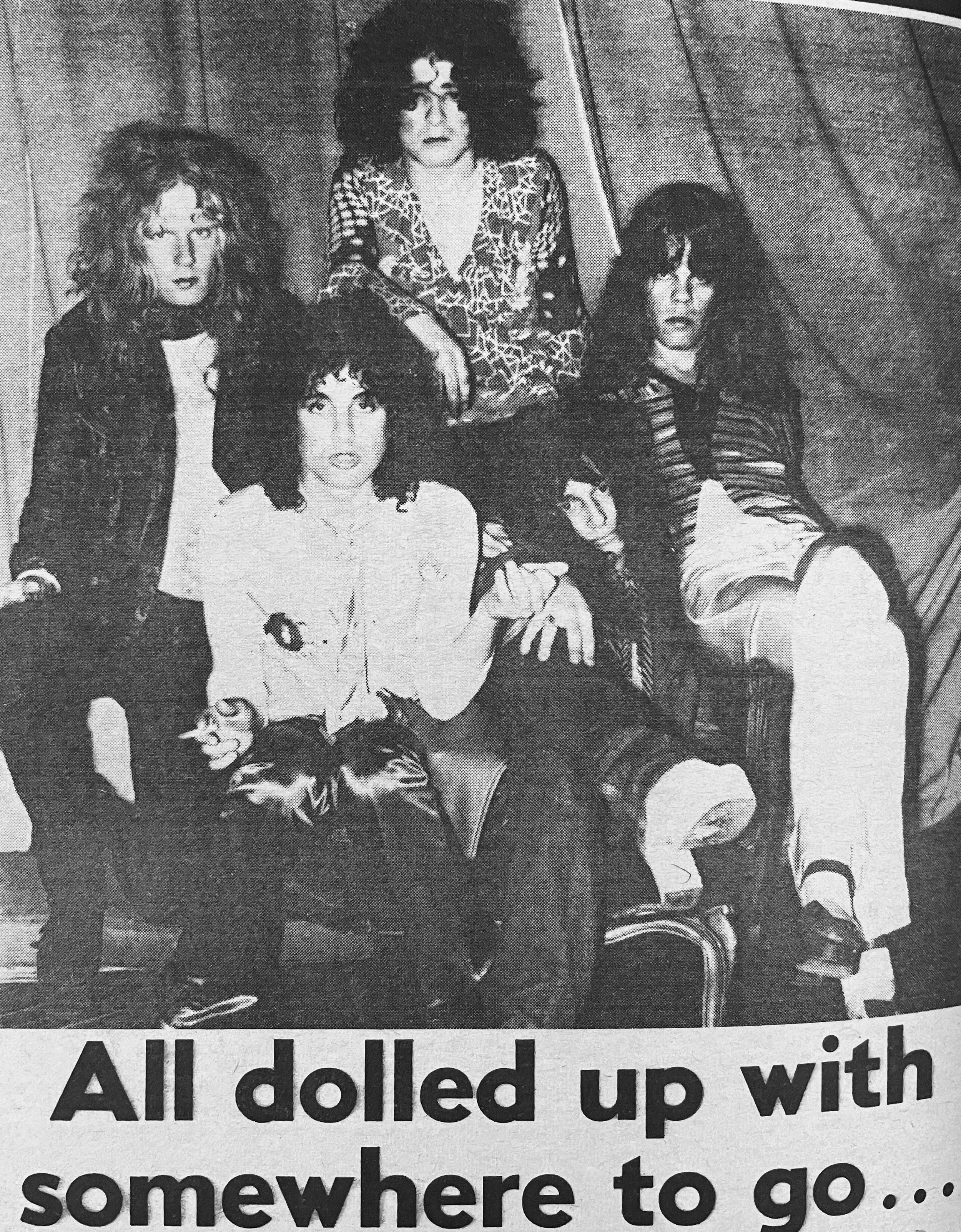
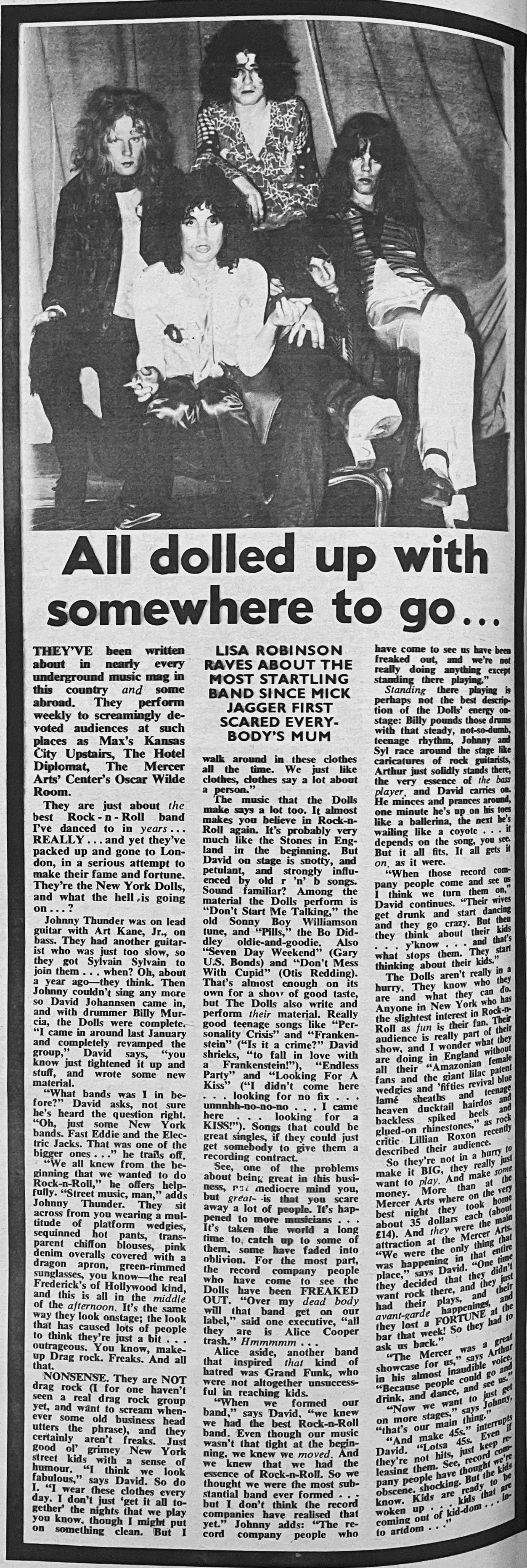
There can’t be much on the Dolls in their heyday that hasn’t been excavated, but I don’t recall seeing this photograph or piece from Lisa Robinson before . . . Disc (November 4, 1972). The band are on verge of heading to England for their ill-planned and ill-fated first trip out of New York. Robinson had a regular column, dispatches from NYC, in the paper.

Robinson rehearses the standard line on the band in their early days – “they almost make you believe in Rock ‘n’ Roll again” but that qualification, ‘almost’, grates. She still needs to put in some practice time . . . Still, she very graciously gives a quote to her friend Lillian Roxon . . . See Here . . . though I’m not sure of its actual source.

Johansen was always on form with the killer quote back then:

When those record people come and see us I think we turn them on. Their wives get drunk and start dancing and they go crazy. But then they think about their kids . . . y’know . . .and that’s what stops them. They start thinking about their kids.

Still feels something of a tragedy that they didn’t deliver on the much made promise to be a great singles band . . .

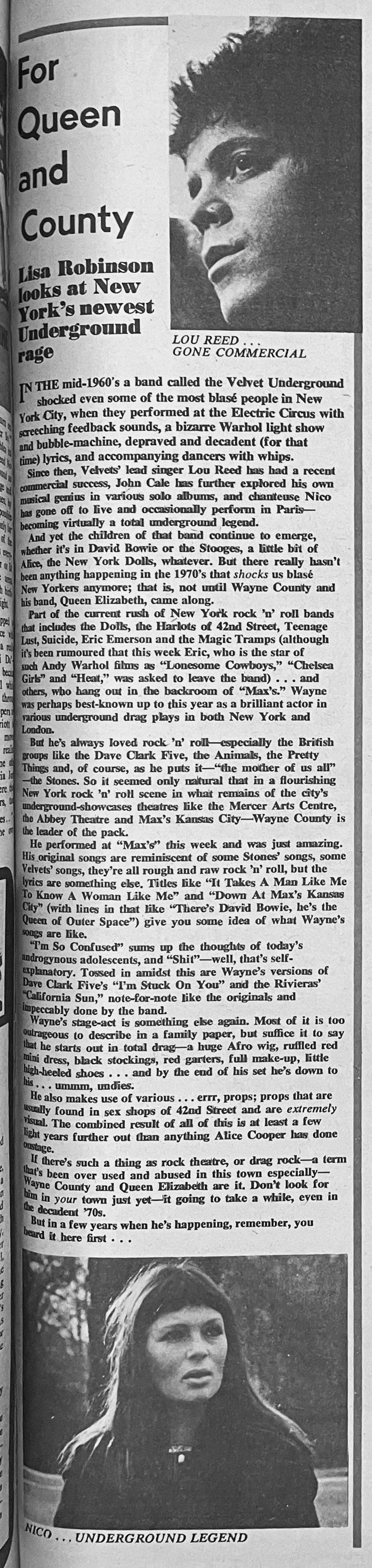
Seven months later Lisa Robinson is back with a report on the NYC underground, the children of The Velvet Underground . . . Suicide are there in the mix with Wayne County the new star of the scene . . .

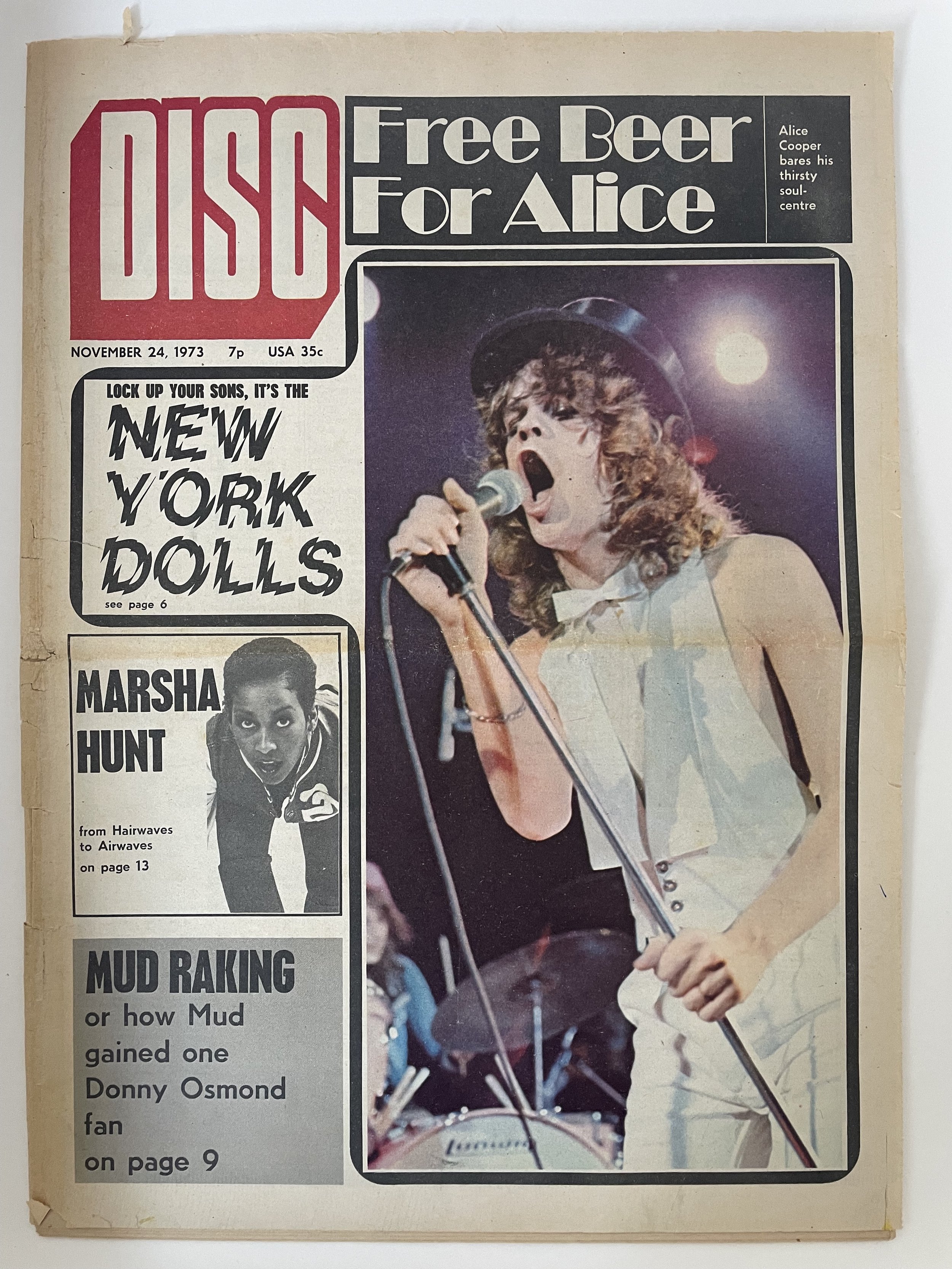
One year after Lisa Robinson’s report the Dolls make the paper’s front cover